














Relaxed Chobe experience with river views, activities and wildlife.
Location
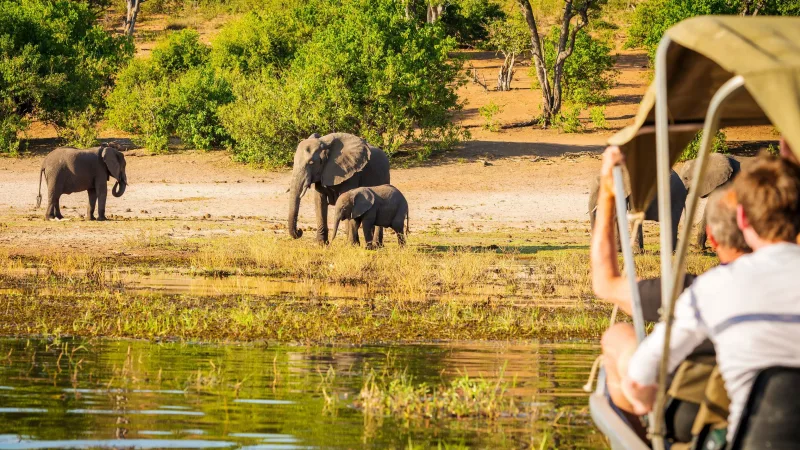
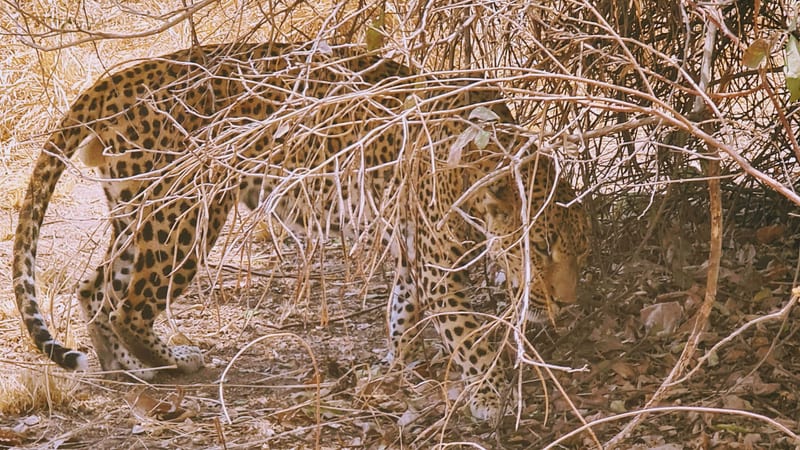
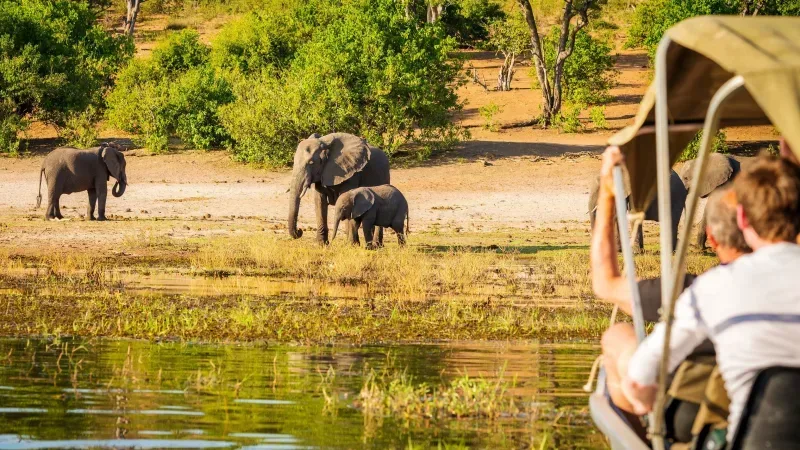
Chobe Bakwena Lodge sits on the banks of the Chobe River, just upstream from Kasane in northern Botswana. Its prime riverside position offers sweeping views of elephants, hippos and birdlife coming to drink, and it’s a short drive from the Chobe National Park wildlife areas and parks where famous game concentrations are often seen. This location makes it a superb base for combining river experiences with classic game drives into the Chobe wilderness.
Rooms
The lodge features a range of stylish air-conditioned rooms and suites, all with private balconies or terraces overlooking either the lush gardens or the Chobe River. Rooms are designed in a contemporary safari lodge style with en-suite bathrooms, tea/coffee facilities, mini-bars, safe boxes and thoughtful touches for comfort. Suites offer additional living space, ideal for couples or families wanting a little more luxury.
Facilities
Chobe Bakwena’s relaxed but elegant public spaces include a restaurant and bar overlooking the river, a shaded lounge area, riverside decks for wildlife viewing and two swimming pools where you can cool off between activities. There’s also a tour desk to help arrange excursions, secure parking, laundry service and Wi-Fi in communal areas, all designed to make your stay comfortable without losing the sense of place.
Activities
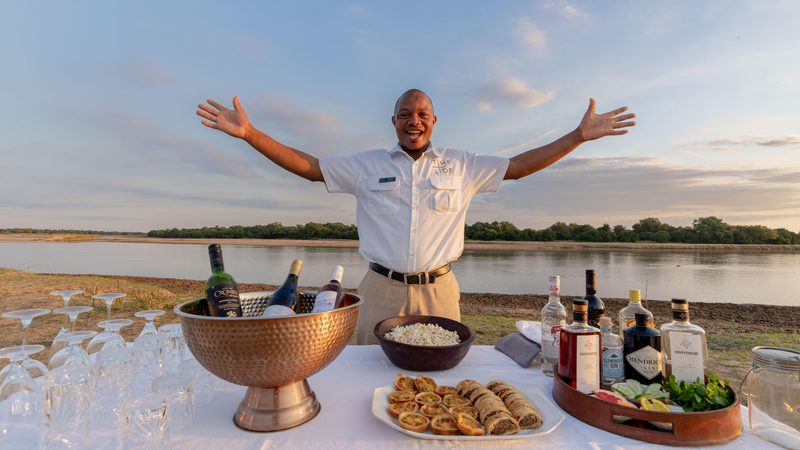
The lodge offers a great mix of experiences in the Chobe area. Sunset cruises on the Chobe River are a highlight, bringing you face-to-face with hippos, crocodiles and vast birdlife as the light softens. Fishing excursions are also possible on request. For land safaris, game drives into Chobe National Park reveal large herds of elephant, buffalo and other plains game, guided by expert local guides. Birdwatching along the riverbanks is excellent year-round and cultural tours of nearby villages can be arranged for insight into local life.
Sustainability
Chobe Bakwena Lodge is committed to responsible tourism and environmental care in the Chobe region. The property uses energy-efficient systems and water-saving measures to reduce its ecological footprint, including solar-assisted heating and responsibly managed water use. Waste is separated and recycled where possible, and single-use plastics are minimised. The lodge also supports community engagement through local employment, skills development and collaboration with nearby communities to ensure tourism benefits people as well as wildlife. Guest stays help sustain these efforts, reinforcing a model where comfort and conservation go hand in hand along one of Africa’s greatest waterways.
Let me plan your trip
Best places to stay in Chobe National Park
Chobe National Park Trip Inspiration
When to visit Botswana
Find out the best time to visit Botswana with our month by month guide.
- Best
- Good
- Mixed
- Jan
- Jan
- Feb
- Mar
- Apr
- May
- Jun
- Jul
- Aug
- Sep
- Oct
- Nov
- Dec
January
January is the heart of the wet season, with heavy downpours usually in the late afternoons, which is a great excuse to watch the storm from the luxury of your camp or lodge. Much of the wildlife is still there it may just take a little longer to find as its more dispersed due to the surrounding surface water. This time of year is hot, and aside from the rainshowers it's sunny. This is the best time to see the Zebra and Wildebeest migration as well as large flocks of flamingos down in the Makgadikgadi Salt Pans. Rates are lower during the wet season.
January
January is the heart of the wet season, with heavy downpours usually in the late afternoons, which is a great excuse to watch the storm from the luxury of your camp or lodge. Much of the wildlife is still there it may just take a little longer to find as its more dispersed due to the surrounding surface water. This time of year is hot, and aside from the rainshowers it's sunny. This is the best time to see the Zebra and Wildebeest migration as well as large flocks of flamingos down in the Makgadikgadi Salt Pans. Rates are lower during the wet season.
February
February is also one of the warmer months, and is defined by both sunshine and heavy storms, which making it another great time for photography. It's now that the Central Kalahari begins waking up, with herds of game coming to graze the lush grassland. Again the peak migration should be in the Makgadikgadi now with large herds of wildebeest and zebra in the area. Game viewing is still great in many areas of the Okavango Delta with many of the dried camps on the western side top choice.
March
The wet season slowly comes to an end, leaving hot, drier days. There is still some rain, but only for short periods during the afternoon. Enjoy the green scenery and the lower accommodation rates. Towards the end of March the wildlife in the Central Kalahari really begins to pick up as large numbers of plains game head in the pans and Valleys. This is a great time of year to combine the Central Kalahari and Okavango Delta.
April
April is a fine month to visit Botswana, as the nights become cooler and sleeping is easier. Breeding season is underway for plains game, so keep an eye out for the clashing males attempting to woo the females out on the savannahs. Along with the breeding season comes more predator activity as the young animals are easy pickings. This is peak game viewing time in the Central Kalahari Game Reserve making it an integral part of any itinerary.
May
With the rainy season at an end, the temperature falls, making bush excursions more pleasant. Nights can be a little chilly, so you'll probably need an extra layer if you're heading out on an evening game drive. Skies become clearer and there are fewer mosquitoes. This is one of our favourite months to travel and also marks the final month before the peak season rates kick in in most camps.
June
June is the middle of winter in Botswana, and is one of the best times to visit the country. Days are pleasantly warm, and nights are spent tucked up cosily in your camp or lodge. Wildlife becomes concentrated around waterholes making it easier to spot. This is a great time to visit the Okavango Delta, Moremi and Chobe.
July
With warm sunny days, and cool nights, July is the perfect time to be in Botswana. Although this is the dry season, it's a great time to enjoy a traditional mokoro canoe trip as floodwaters begin to rise in the Okavango Delta, flowing down from the highlands of Angola.
August
The temperature begins to rise again in August, but it's still a superb time for game viewing, and the Makgadikgadi Pans are now accessible through until October. Water is now scarce in many of the parks, making game viewing easy. It's a good time to visit Savute and Linyanti.
September
Days in September are hot with sunny blue skies, and the nights are no longer cold. It does get quite dusty out in the bush thanks to many months without rain, and game viewing is excellent as predators and prey alike hunt to find water.
October
October is warmer, and safari activities take place during early mornings and late afternoons to avoid the worst of the heat. This is one of the final month before the rains come and the ground is at its driest making for exceptional game viewing. If you don’t mind hot days this is one of the peak game viewing months
November
November remains hot, but the rains return mid-month, bringing the plains and forests back to life. If you want to see young animals being born and lots of predator action, this is the month to come. With rates dropping in November and the rains often falling later on in the month, the first 2 weeks of November are a very popular time to travel. It also ties in nicely with the great weather in Cape Town and the Garden Route.
December
The rainy season is now in full swing with often short heavy downpours in the evening, days are still mostly sunny. Landscapes are lush, and there is plenty of wildlife activity as the newborns flourish.
Speak to a Botswana expert today
and start planning your tailor-made holiday

Alistair