


















A heady blend of adventure, culture and delicious cuisine
Indonesia's diverse islands provide an endless tapestry of wonders.
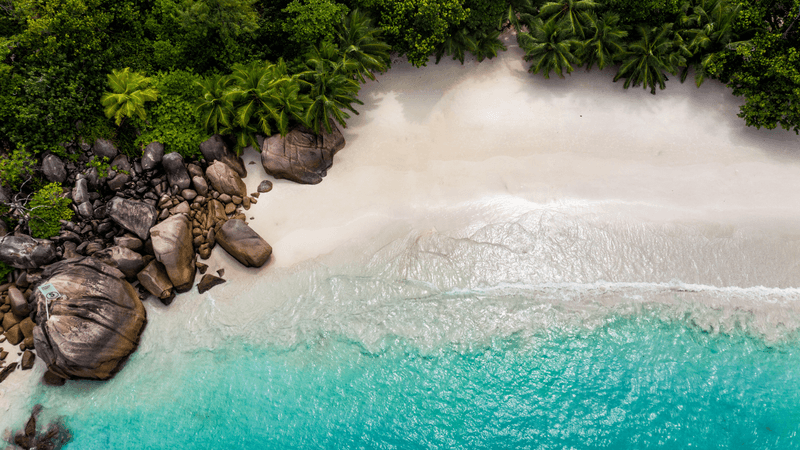
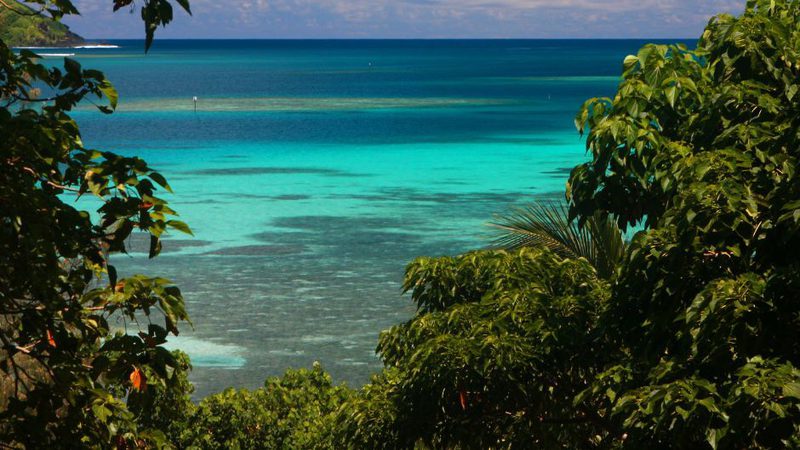
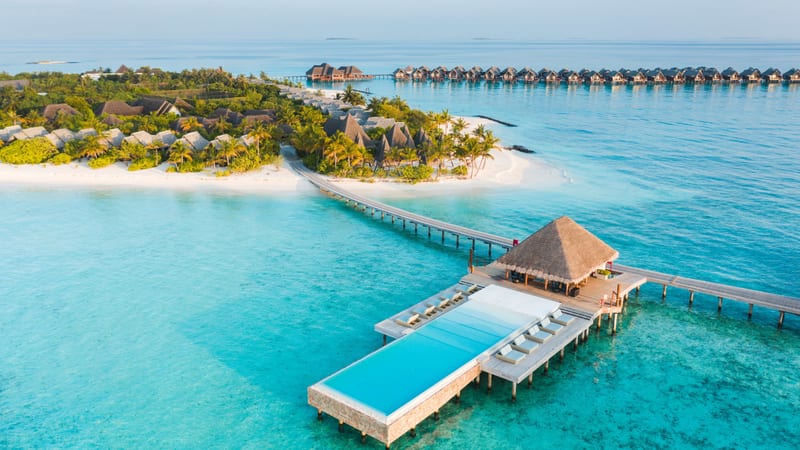
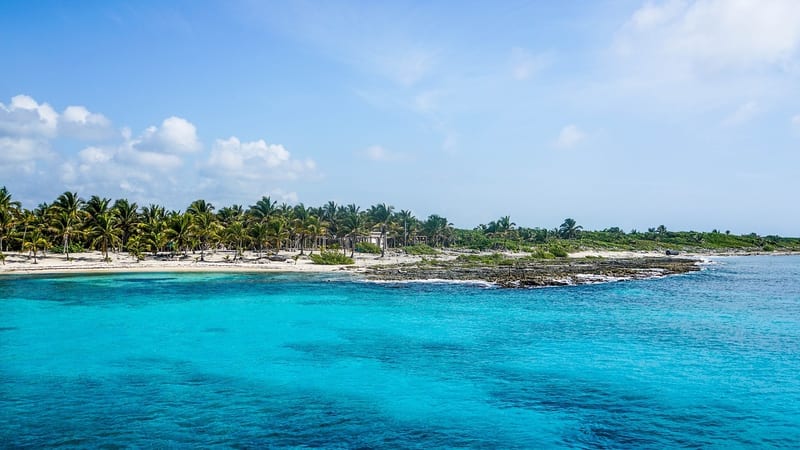
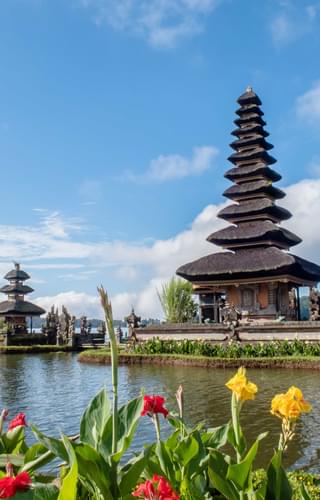
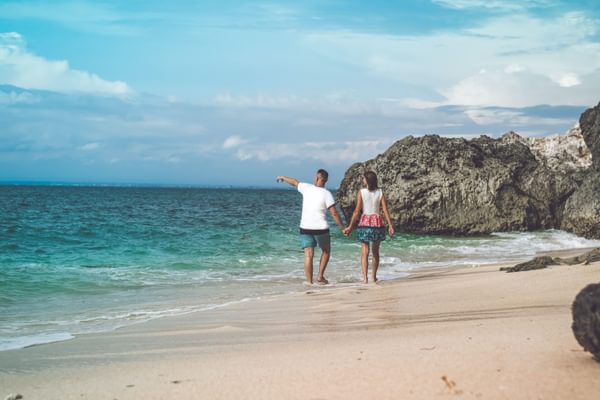
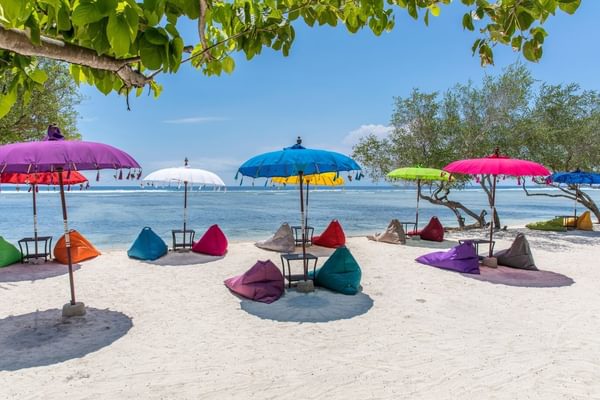
Indonesia, the largest archipelago in the world, is a land of staggering diversity and natural beauty. This country boasts some of the world's most stunning beaches. Bali, known as the "Island of the Gods," is renowned for its pristine shores and vibrant nightlife. Relax on the golden sands, enjoy water sports, or experience the unique Balinese culture in the island's charming villages.
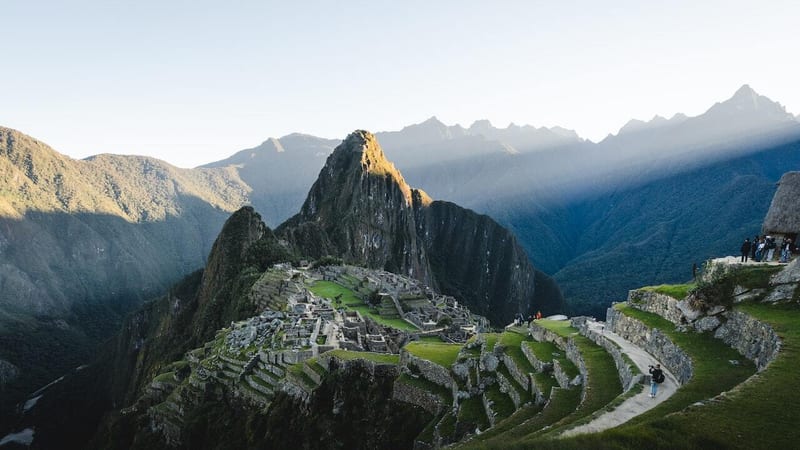
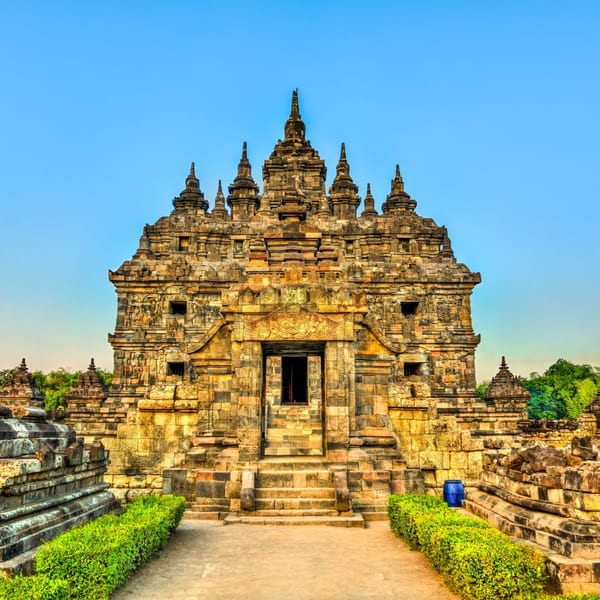
Due to its colourful history, Indonesia is a melting pot of cultures, with each island having its own traditions and customs. The historic Borobudur Temple in Java is the world's largest Buddhist temple, a marvel of ancient architecture and a UNESCO World Heritage Site. Prambanan Temple, also in Java, is an exquisite example of Hindu architecture.
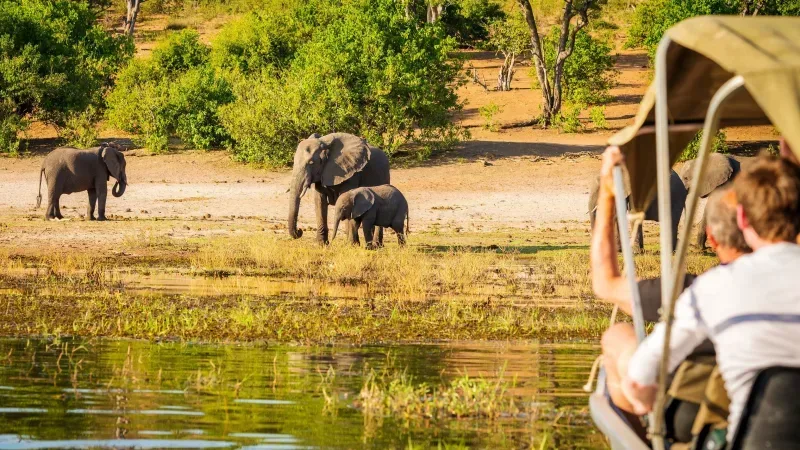
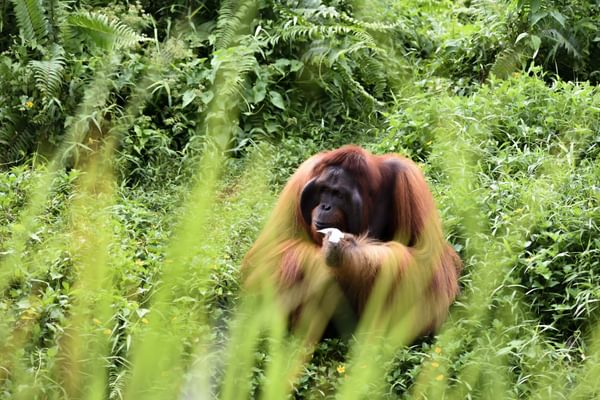
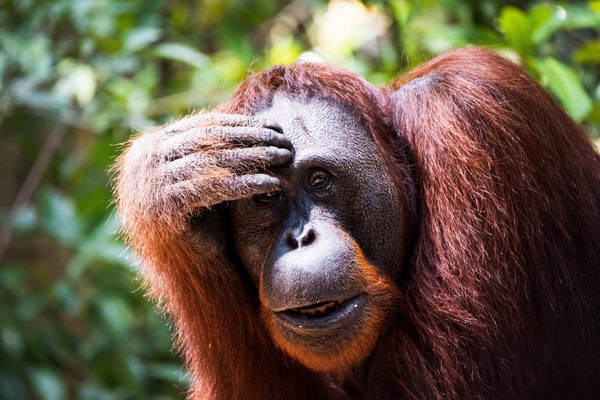
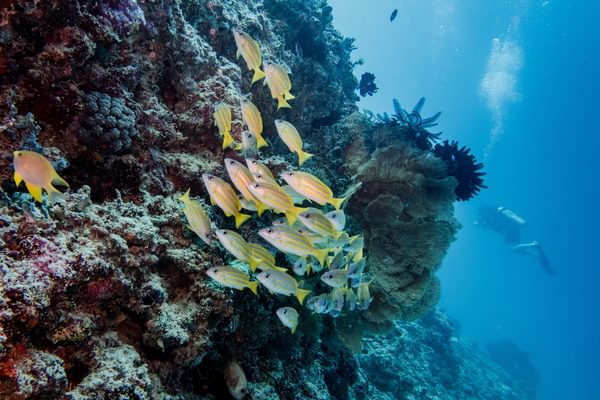
For thrill-seekers, Indonesia offers a wide range of adventures. Hike to the summit of Mount Bromo in Java for a wonderful sunrise view of the volcanic landscape. Explore the lush jungles of Sumatra, home to the critically endangered orangutans. Or embark on a diving expedition to witness the vibrant marine life in Raja Ampat, one of the world's top diving destinations.
Indonesian cuisine is a feast for the senses. Try rendang, a rich and flavourful beef stew, or savour the delicious taste of nasi goreng, Indonesia's take on fried rice. Street food stalls offer an array of delectable snacks, allowing you to savour the local flavours.
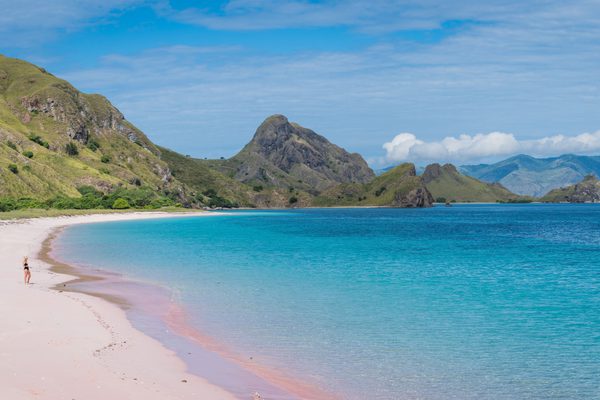
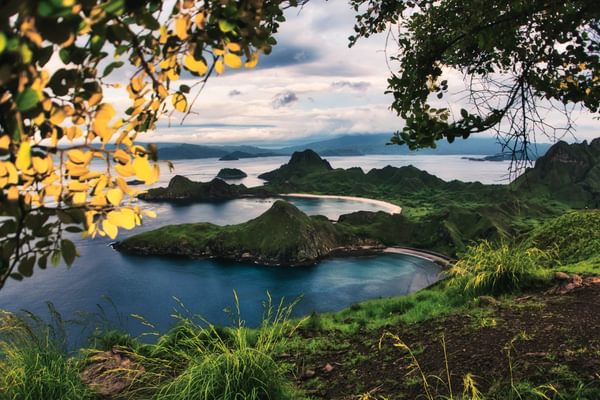
With over 17,000 islands, Indonesia offers an incredible variety of landscapes and cultures. Lombok's Gili Islands provide an idyllic escape, while Komodo Island is known for its famous inhabitants, the Komodo dragons. The cultural mecca of Yogyakarta in Java invites you to explore the heart of Javanese art, music, and traditions.
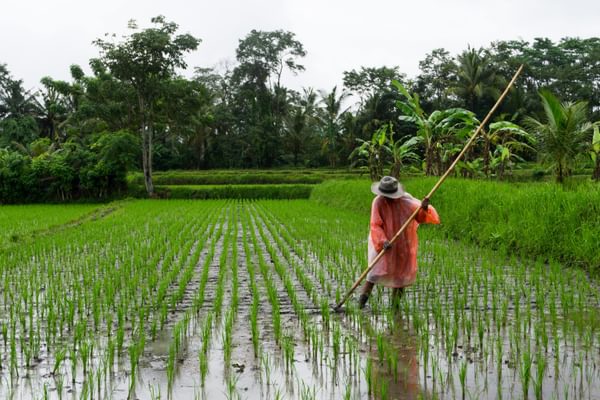
Indonesia's natural beauty is second to none. The terraced rice fields of Bali and the lush rainforests of Borneo are breath taking. Explore the unique ecosystems of the islands, including the rainforests of Sumatra and the exotic flora and fauna in Papua.

Unsure where to start? Give us a call and speak to our team
Best of Indonesia
- Magelang
- Yogyakarta
- Bromo
- Ubud
- Bali
- Komodo
An immersive Indonesian odyssey, traversing historic sites in Yogyakarta, capturing Java's beauty, indulging in Bali's cultural richness, and exploring Komodo's natural wonders.
Indonesia trip ideas
When to go to Indonesia
Discover the best time to visit Indonesia with our helpful guide.
- Best
- Good
- Mixed
- Jan
- Feb
- Mar
- Apr
- May
- Jun
- Jul
- Aug
- Sep
- Oct
- Nov
- Dec
January
January in Indonesia is pleasant, with minimal rainfall. Explore Bali's lush landscapes or dive in Raja Ampat for clear underwater views.
February
February sees Indonesia somewhat still dry with comfortable temperatures. Check out Northern Sumatra, which has less rainfall than the rest of the country at this time of year or visit Yogyakarta for cultural festivals.
March
In March, the climate starts to get humid and warm. Witness the Nyepi (Balinese New Year) celebrations in Bali, or trek to the summit of Mount Rinjani in Lombok.
April
April sees the heat and humidity ramp up, with the addition of occasional rainfall. Head to Flores to visit the mesmerizing Kelimutu volcanic lakes.
May
May is the ideal time for travel as temperatures balance out and the humidity dropping. Take the opportunity to explore Java's historic temples or go hiking in Sumatra's lush rainforests.
June
June is a continuation of May’s good weather, dry (for Indonesia) and warm. Try diving in Komodo National Park or witness the Pasola festival in Sumba.
July
July sees Indonesia’s peak tourist numbers hit. The weather is great and there is plenty to see and do. Witness the Bali Kite Festival or enjoy water sports in the Gili Islands.
August
August is also a great time to visit, as most of the archipelago is dry and warm. Many locations across the country hold Independence Day celebrations, so join in the festivities or explore the pristine beaches of Nusa Penida in the excellent weather.
September
September sees more great weather but is generally less crowded in terms of tourism. Use this time to trek in Bukit Lawang, Sumatra, or explore the cultural gems of Yogyakarta.
October
Depending on the year, October can be the start of the rainy season but generally it stays nice and dry. Attend the Balinese Arts Festival in Denpasar, or hike Mount Bromo in Java.
November
November is the official start of the rainy season in most regions. Stay dry in Jakarta by ducking into the numerous cultural sites, or explore the rich history of Borobudur Temple in Java.
December
In December, the monsoon season is in full swing with frequent heavy rain. Enjoy Christmas festivities in Bali, but remember to bring a raincoat!
Types of Indonesia holidays

Where to go in Indonesia
Top places to visit in Indonesia


Best places to stay in Indonesia
FAQs About Your Indonesia Holiday
Planning a holiday to Indonesia? Our experts share advice on everything from what to pack, when to go, to tips for families, covering the questions we get asked the most.
When is the best time to visit Indonesia?
Indonesia has a tropical climate, with a wet season from November to March and a dry season from April to October. The dry months are best for trekking, beach holidays, and wildlife spotting. However, the wet season still offers warm weather, fewer crowds, and lush landscapes, making it a great choice for those seeking a quieter experience.
Which islands are best to visit?
Indonesia comprises over 17,000 islands, each with unique attractions. Bali is famous for beaches and culture, Java for temples and volcanoes, Komodo for dragons and diving, Sumatra for wildlife, and Sulawesi and Lombok for off-the-beaten-track adventures. Choosing a combination depends on your interests, whether culture, wildlife, beaches, or active exploration.
What wildlife can I expect to see?
Indonesia’s wildlife is extraordinary, from orangutans in Sumatra and Borneo to Komodo dragons on Komodo and Rinca, elephants in Sumatra, and diverse marine life in Raja Ampat and Komodo. Birdwatchers and marine enthusiasts will also find a rich variety of species, making the country a haven for nature lovers and wildlife photographers.
What currency is used, and can I use cards?
The Indonesian Rupiah (IDR) is the official currency. Cash is essential in smaller towns and remote areas, while credit cards are generally accepted in hotels, restaurants, and larger cities. ATMs are widely available in urban centres, but it’s advisable to carry cash when visiting islands or rural regions.
What languages are spoken in Indonesia?
Bahasa Indonesia is the official language, while English is widely spoken in tourist areas. Local dialects and languages are common in rural regions, especially on islands like Sulawesi, Flores, and Sumatra. Learning a few basic phrases in Bahasa Indonesia is appreciated and can enhance cultural interactions.
What should I pack for Indonesia?
Light, breathable clothing is essential for hot, humid conditions, along with a waterproof jacket for sudden tropical showers. Comfortable walking shoes, insect repellent, sun protection, and a good camera are recommended. Modest clothing is advised when visiting temples, and snorkelling or diving gear can enhance marine adventures.
Read more about Asia on our blog


Speak to a Indonesia expert today
and start planning your tailor-made holiday

Sophie
Indonesia Expert