




















Feel the crisp Arctic air invigorate your senses
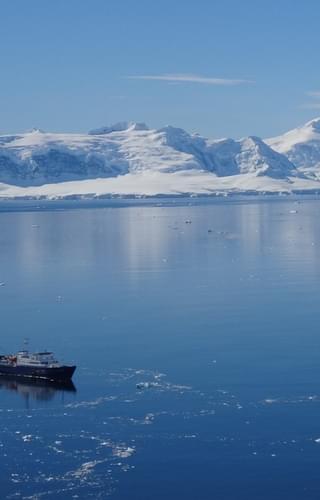
Prepare to set sail on an extraordinary journey through the Arctic Circle, where enchanting icebergs, majestic glaciers, and captivating wildlife create a symphony of natural wonders.
Our Arctic cruises offer an unparalleled opportunity to explore this remote and mesmerizing region, immersing you in a world where the boundaries between fantasy and reality blur.
As you step aboard our state-of-the-art expedition vessels, you'll be greeted by the anticipation of the Arctic's secrets unfolding before you. Each cruise is meticulously crafted to ensure an exceptional and immersive experience. Expert naturalists, historians, and wildlife guides will accompany you, sharing their insights into the Arctic's unique ecosystems and the captivating tales of polar explorers who have braved these icy waters.
Cruising through the Arctic waters is a kaleidoscope of ever-changing landscapes. Sail past towering glaciers that seem to touch the sky and witness the mesmerizing spectacle of calving ice that sends waves reverberating through the sea. Our carefully planned itineraries take you to remote corners where few have ventured, allowing you to encounter Arctic wildlife in their natural habitats. Marvel at pods of graceful whales, the playful antics of seals, and the elusive dance of the polar bear on the ice.
While the Arctic's dramatic beauty takes centre stage, our cruises also provide opportunities for cultural enrichment. Visit historical sites of the people who live on this harsh land and get a glimpse into their present way of life.
Whether you're an intrepid explorer seeking thrills or a curious traveller with a penchant for discovery, our Arctic cruises promise an unforgettable adventure. Join us on an Arctic cruise and unlock the treasures of this frozen frontier, where nature's grandeur reigns supreme, and the extraordinary becomes your everyday reality.

Unsure where to start? Give us a call and speak to our team.
Arctic Trip Inspiration
When to go to the Arctic
A month-by-month guide of when to visit the Arctic
- Best
- Good
- Mixed
- Jan
- Feb
- Mar
- Apr
- May
- Jun
- Jul
- Aug
- Sep
- Oct
- Nov
- Dec
January
Cruises typically do not operate in January due to extreme winter conditions and ice coverage.
February
Cruises typically do not operate in February due to extreme winter conditions and ice coverage.
March
Cruises typically do not operate in March due to extreme winter conditions and ice coverage.
April
Cruises typically do not operate in March due to extreme winter conditions and ice coverage.
May
Begin the cruise season with expeditions along Arctic coastlines. Observe seabird colonies, and explore coastal tundra where reindeer and foxes roam.
June
Embark on an Arctic adventure as the ice recedes. Cruise through stunning fjords, spotting wildlife and marvelling at the midnight sun.
July
Experience the peak of Arctic summer. Navigate through icy channels, visit indigenous communities, and witness incredible marine and avian life.
August
Sail to Svalbard, observing polar bears and walrus. Immerse yourself in indigenous cultures and explore the Arctic's unique biodiversity.
September
As Arctic Summer draws to a close, some of the expedition vessels redirect from Svalbard to the east of Greenland. There are excellent whale watching opportunities at this time, and it’s a great place to try and spot the Aurora Borealis.
October
Cruises typically do not operate in March due to extreme winter conditions and ice coverage.
November
Cruises typically do not operate in March due to extreme winter conditions and ice coverage.
December
Cruises typically do not operate in March due to extreme winter conditions and ice coverage.
Best places to stay in Arctic
FAQs About Your Arctic Holiday
Planning a holiday to Arctic? Our experts share advice on everything from what to pack, when to go, to tips for families, covering the questions we get asked the most.
What is the best time of year to visit the Arctic?
The Arctic can be visited year-round, but your experience will differ depending on the season. Summer (June–August) offers long daylight hours, wildlife spotting, and relatively mild temperatures. Winter (November–March) is ideal for witnessing the Northern Lights and enjoying snow-based activities like dog sledding or snowmobiling.
How do I get to the Arctic?
Most Arctic trips start from gateway cities such as Tromsø or Svalbard in Norway, Reykjavik in Iceland, or Fairbanks in Alaska. Depending on your itinerary, you may travel by small aircraft, ferry, or expedition cruise to reach remote destinations.
Do I need a visa to visit the Arctic?
The majority of countries we offer require visas to visit, please give our team of experts a call on 0203 111 1315 to chat through a specific country requirement as these do change over time. Visas can sometimes be purchased on arrival but often you are required to get one prior to travel. We recommend visiting the UK Foreign, Commonwealth & Development Office (FCDO) website or the relevant embassy for up-to-date information on visas, entry rules, and travel advice as soon as you have booked your trip.
What should I pack for an Arctic holiday?
Layering is essential. Include thermal base layers, a warm insulated jacket, waterproof outerwear, gloves, hat, and sturdy boots. Sunglasses, sunscreen, and a good camera are also recommended, as snow and ice reflect sunlight strongly.
What wildlife can I see in the Arctic?
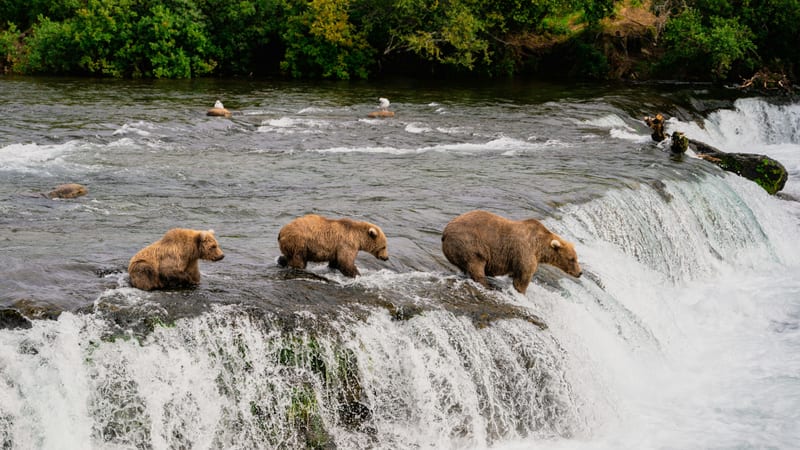
The Arctic is home to polar bears, Arctic foxes, reindeer, musk oxen, walrus, whales, and a variety of seabirds. The specific wildlife depends on your location and season, but guided tours maximise your chances of sightings safely.
Can I see the Northern Lights in the Arctic?
Yes. The best time is during the darker months, typically September to March. Clear skies, minimal light pollution, and patience increase your chances of seeing this spectacular natural display.
Are there opportunities for adventure activities?
Absolutely. Depending on the season, you can enjoy dog sledding, snowmobiling, ice climbing, glacier trekking, kayaking, and even polar plunges. Many trips also include guided hikes and wildlife photography excursions.
Are Arctic cruises suitable for first-time travellers?
Yes, but it’s important to choose a vessel and itinerary that matches your comfort level. Expedition-style cruises focus on wildlife and scenery rather than luxury, while larger ships offer more amenities but visit fewer remote areas.
Speak to a Arctic expert today
and start planning your tailor-made holiday

Amanda
Arctic Expert