






















Discover the best places for birdwatching in Uganda
Shoebill storks and red-throated bee-eaters are amongst the hundreds of species you might see on a Uganda birding safari
From the banks of the mighty Nile to the tranquil shores of Lake Victoria, and from the dense forests of Bwindi to the lush lowlands of the Albertine Rift alley, the diverse habitats of Uganda are home to an impressive number of bird species. Indeed, even within the surroundings of the capital city Kampala, you can record nearly 300 species in a single day.
Although Uganda has only one endemic bird (the Fox’s Weaver), there are 23 Albertine endemics here that are difficult or even impossible to find anywhere else. Another drawcard on a tailor made birdwatching holiday in Uganda is the rare and majestic Shoebill stork, considered to be one of the five most desirable birds in Africa by ornithologists. These can be seen relatively easily in at least three different areas of Uganda.
Uganda’s twelve national parks offer incredible bird watching opportunities, with a particular favourite being Semliki Wildlife Reserve, hidden away in a remote corner of south-western Uganda at the bottom of the Albertine Rift. This is the most important bird habitat in the country is home to around 400 different bird species, including the red-throated bee-eater, pennant-winged nightjars, marsh tchagra, Abyssinian hornbill, leaf love, and the popular shoebill.
Another of the best bird watching locations in Uganda is Kibale National Park, with around 360 grassland and aquatic bird species, four of which aren’t found anywhere else in the country: Nahan’s francolin, cassin’s spine tail, blue-headed bee-eater, and the masked apalis. Recently there have also been occasional green-breasted pitta sightings.
Murchison Falls National Park is the largest of all parks in Uganda. It’s an excellent bird watching destination with a recorded population of about 470 bird species, including the shoebill stork and other aquatic birds and raptors which are found along the riverbanks of the Nile.
Queen Elizabeth National Park not only prides itself in having the richest biodiversity, it is factually a true ‘Bird Paradise’ with a total recorded population of over 610 birds, the largest ever recorded number in the whole of Africa. The species found here include woodland, forest and aquatic birds, as well as an incredible 54 raptors.
In Bwindi Impenetrable Forest, a total population of 355 bird species have been recognized and recorded, including 14 species that are found only in these forests, such as the Frazer’s eagle owl, African green broad bill, white bellied robin chat, and the tailed blue flycatcher.
Finally, if you want an easily accessible location to see the Shoebill Storks, then head to Mabamba Wetlands just north of Entebbe where day and half day trips are offered.
I know Uganda inside out; let me create your perfect adventure.

Ultimate Uganda
- Murchison
- Kibale
- Rwenzoris
- Queen Elizabeth
- Bwindi
Discover Uganda's stunning wildlife and wild places
Uganda Birdwatching Holidays, Trips and Tours Ideas
Our Uganda birdwatching expert, Ruth, says:
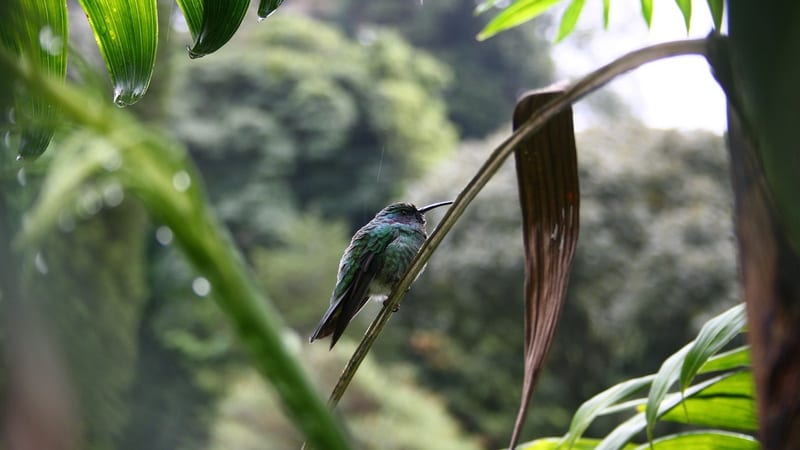
“Uganda is a birdwatcher’s dream, with species you simply won’t find anywhere else. Whether it’s the prehistoric presence of a Shoebill in a quiet wetland or the tiny, colourful forest birds in Bwindi and Kibale, the variety is staggering. What I love is that it’s not just about ticking off species – the guides are brilliant at revealing behaviours, calls, and interactions, so you feel immersed in the rhythms of the forest and wetlands. It’s a magical experience that can be tailored to every level, from keen beginners to expert birders.”


Uganda Birdwatching Holiday Lodges and Camps
Uganda Birdwatching Holidays FAQs
Planning a Uganda birdwatching holiday? Our experts share advice on everything from what to pack, when to go, to tips for families, covering the questions we get asked the most.
Where are the best places to go birdwatching in Uganda?
Uganda offers incredible birdwatching across a variety of habitats. Top spots include Queen Elizabeth National Park for over 610 species, Bwindi Impenetrable Forest for forest endemics, Kibale National Park for grassland and aquatic birds, Murchison Falls National Park for raptors along the Nile, Semliki Wildlife Reserve for rare species like red-throated bee-eaters, and the Mabamba Wetlands near Entebbe for easy sightings of the iconic Shoebill stork. Each location provides a unique mix of species and landscapes.
Which rare or endemic species can I see in Uganda?
Uganda is home to 23 Albertine Rift endemic species and one true endemic, the Fox’s Weaver. Highlights include the prehistoric Shoebill stork, forest birds like Fraser’s eagle owl, African green broadbill, and tailed blue flycatcher, as well as unique species in Kibale and Bwindi that are difficult or impossible to see elsewhere.
When is the best time of year for birdwatching in Uganda?
The dry seasons, from December to February and June to September, are generally best. Birds are easier to spot as they gather around water sources and are more active in open areas. Some migratory species are present in the wet season, so a tailor-made itinerary can focus on the birds you most want to see.
How long should a birdwatching trip in Uganda be?
Even a few days can be rewarding, especially if visiting key locations like Mabamba Wetlands for the Shoebill and one or two national parks for forest and savannah species. A week to ten days allows a more immersive experience across multiple habitats, increasing your chances of seeing endemic and rare species.
Are birdwatching trips suitable for families or beginners?
Absolutely. Many locations, like Mabamba Wetlands and national park trails, are accessible for all ages and experience levels. Expert local guides bring the birds and their behaviours to life, ensuring an engaging experience whether you are a first-time observer or an experienced birder.
Can Uganda birdwatching trips be combined with other wildlife experiences?
Yes. Birdwatching works beautifully alongside gorilla trekking in Bwindi or chimpanzee tracking in Kibale, as well as traditional safari experiences in Queen Elizabeth or Murchison Falls. You can also combine your birding holiday with a cultural visit to local communities or a relaxing stay on Lake Bunyonyi or the Ssese Islands.
Do I need special equipment for birdwatching in Uganda?
A good pair of binoculars and a camera with zoom lens are essential. Guides provide expert advice on spotting and identifying species, and most trails are well-maintained, so lightweight clothing, sun protection, and insect repellent are recommended. For more serious birders, a field guide and notebook can enhance the experience.
Speak to a Uganda expert today
and start planning your tailor-made holiday

Alistair