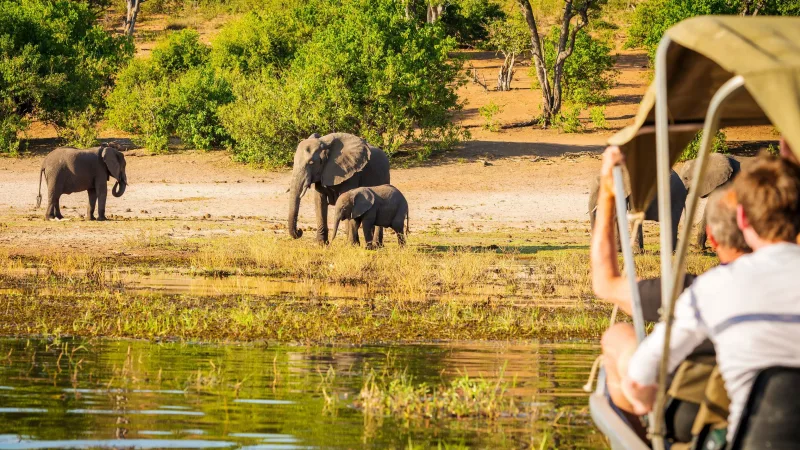







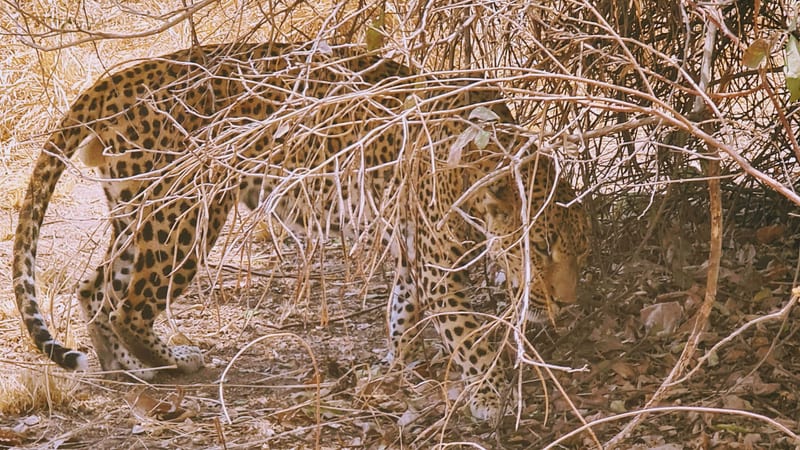





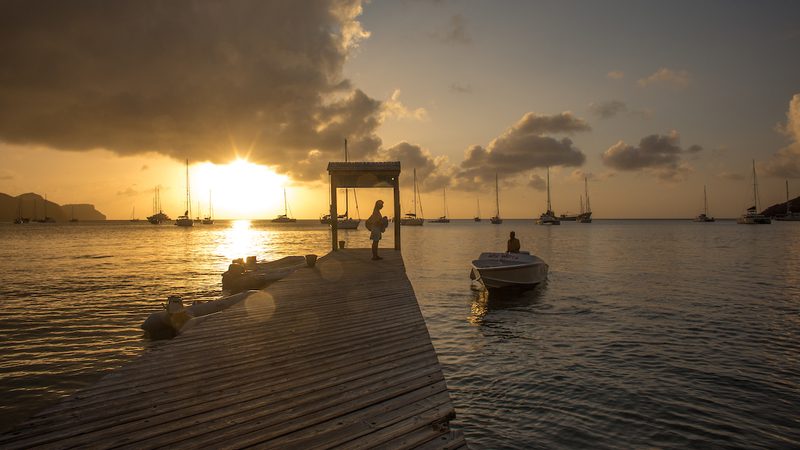


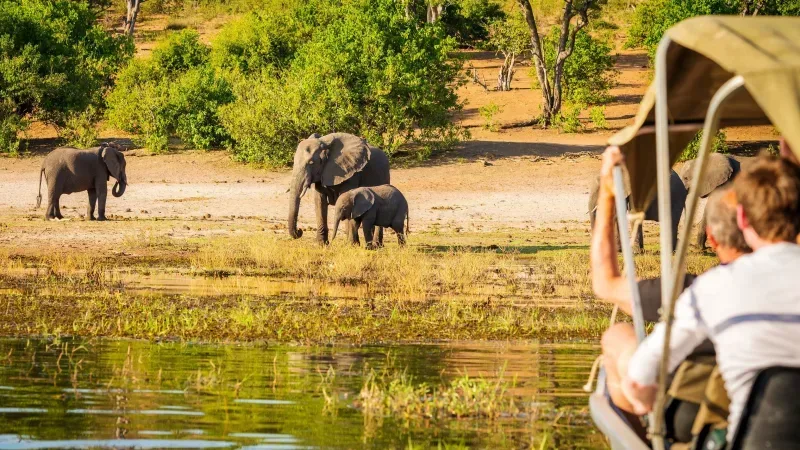




Thoughtfully designed to blend modern comfort with the earthy tones of the bush in Tarangire National Park. The camp is an ideal base for discovering one of Tanzania’s most rewarding safari destinations, renowned for its large elephant herds and diverse wildlife.
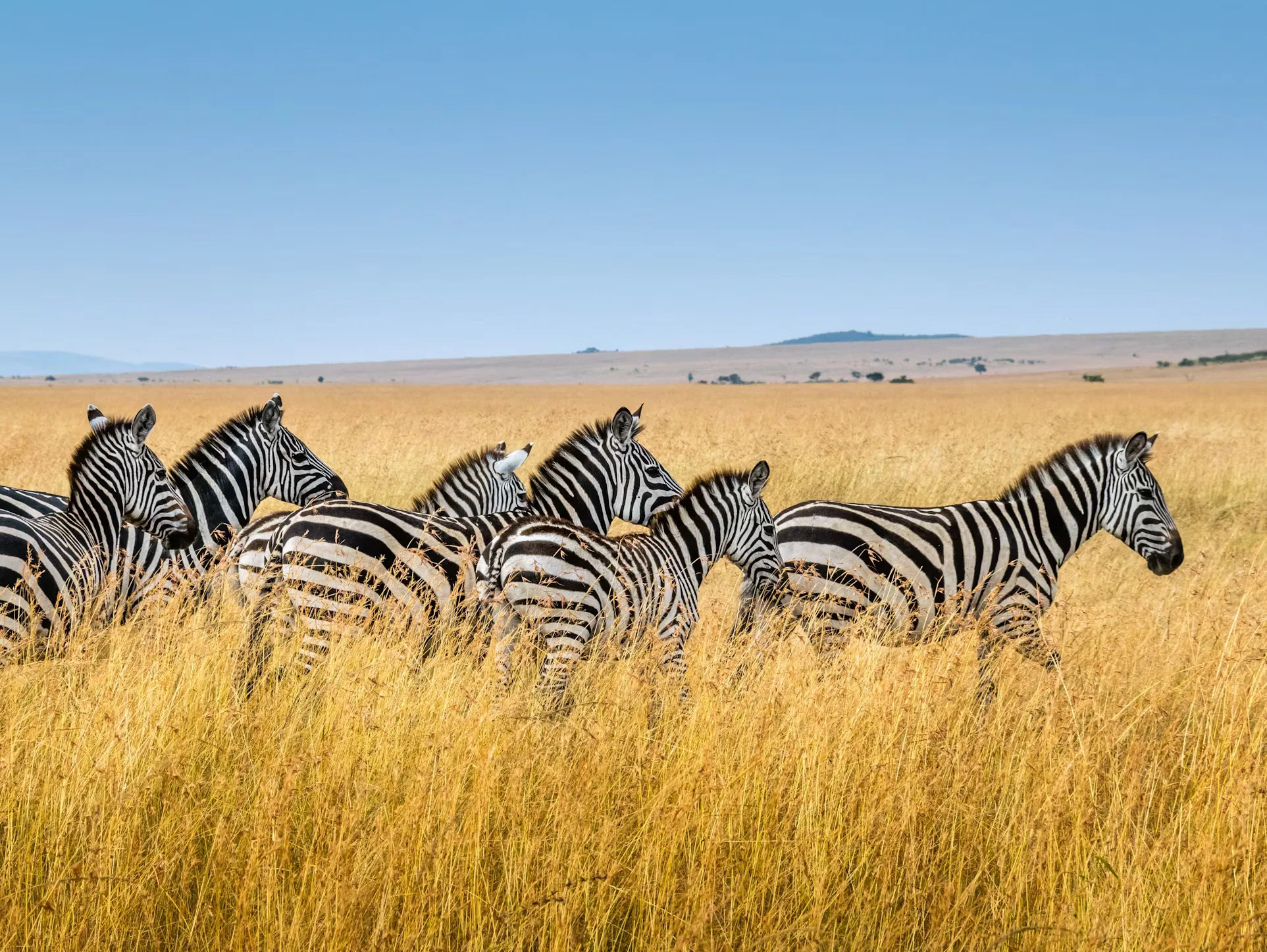
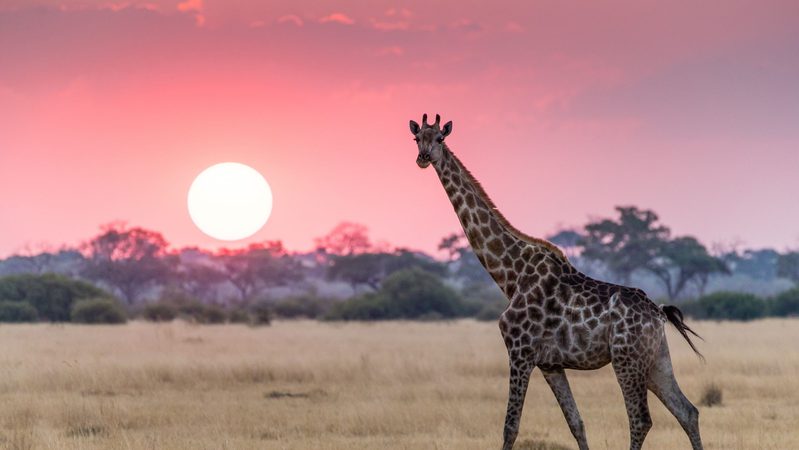
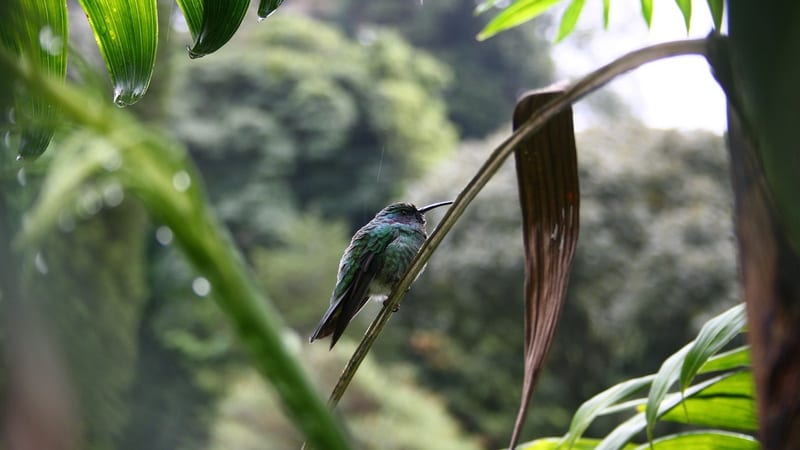
Location: The camp provides easy access to the park's vast network of game-viewing tracks, where guests can encounter elephants, lions, giraffes, zebras, and an abundance of birdlife throughout the year. Despite its secluded atmosphere, the camp is conveniently accessible via a scenic drive from Arusha or a short flight to nearby Kuro Airstrip, followed by a game drive transfer.
Rooms: The camp features canvas safari tents that combine classic safari style with contemporary comfort. Spacious and thoughtfully designed, each tent includes comfortable king or twin beds, stylish furnishings, an en-suite bathroom with flushing toilets and hot showers, and a private veranda overlooking the surrounding bush.
Amenities: Siringit Tarangire Camp features a central lounge and dining tent where guests can enjoy freshly prepared meals made with locally sourced ingredients. The camp also offers a campfire area, a well-stocked bar, complimentary Wi-Fi in the main areas, personalised service, and solar-powered electricity, providing a comfortable and environmentally conscious stay.
Activities: Guests can enjoy guided game drives through Tarangire National Park, famous for its impressive elephant populations and ancient baobab trees. Optional walking safaris offer a closer connection to nature, while cultural visits to nearby Maasai communities provide fascinating insights into local traditions. Birdwatching is exceptional year-round, and during the dry season, the Tarangire River attracts an amazing concentration of wildlife.
Sustainability: Siringit Tarangire Camp is committed to responsible tourism and preserving the natural environment. The camp operates primarily on solar energy, carefully manages water consumption, reduces single-use plastics, and supports local employment and community initiatives. By working closely with neighbouring communities and promoting sustainable safari practices, the camp helps protect Tarangire's unique ecosystem for future generations.

Let me help you create your perfect Tanzania holiday.
Best places to stay in Tarangire
Tarangire Trip Inspiration
When to visit Tanzania
Find out the best time to visit Tanzania with our month by month guide.
- Best
- Good
- Mixed
- Jan
- Feb
- Mar
- Apr
- May
- Jun
- Jul
- Aug
- Sep
- Oct
- Nov
- Dec
January
January is mixed when it comes to weather, temperatures rise whilst the chance of rain and humidity increases. It is still a good time to go, as the rates are lower yet the game viewing is still excellent.
- During this time migratory herds are in the Serengeti for calving season, meaning the Ndutu plains are busy.
February
The weather remains hot with a chance of rain in February.
- Meanwhile in the Ndutu Plains the migration is still occurring.
March
March is the calm before the storm, before heavy rains and humidity builds. Visitors can take great advantage of lower rates during the low season.
- Migrating herds start to leave Ndutu, heading West towards Grumeti.
April
April experiences continued periods of heavy rain, we would advise against travel due to the conditions.
May
During may there is periods of heavy rain, we would advise against travel due to the conditions.
June
June heralds the wet season, bringing lush green vegetation which can make spotting game more difficult. It is a particularly great time for birders as parks become populated by migratory birds especially in the South.
- Migration is still in the Grumeti area, heading north.
July
July is the start of peak season, temperatures reach up to 30 degrees and the surrounding land becomes drier and spotting game is becoming easier.
- The migration is in the Northern Serengeti moving towards Kenya.
August
August is peak season, with bush land drying out game spotting becomes much easier. If you want to experience Tanzania game at its best, August is the time to travel.
- The migration still remains in the north.
September
Peak season continues in September, the Northern circuit can be very busy, if you want to avoid crowds it's best to visit the southern parks.
- The end of the migration is still in the north with herds on both side of the Kenyan and Tanzanian borders.
October
Peak season continues into October with good game viewing in the Serengeti and southern parks.
- The migration has now crossed over into Kenya.
November
November is the start of the rainy season, the rains tend to be overnight so it is still a popular time to travel. During this month you can take advantage of low season rates.
- Migration crossing over into the Serengeti can be seen a the Tanzania and Kenya border.
December
Rains continue in December, whilst the temperature and humidity start to build. Venturing out on safari is generally good, with large game still easily spotted.
- Migrating herds in the north travel south back to Ndutu.
Speak to a Tanzania expert today
and start planning your tailor-made holiday

Alistair