


















Exploration, Landscape, and Discovery
Angola holidays and tours offer a rare sense of exploration, combining remote desert landscapes, Atlantic coastline, dramatic highlands, tribal culture, and powerful waterfalls in one remarkably varied country. For travellers looking beyond the usual safari routes, Angola feels exciting, untouched, and genuinely different.
There are very few countries left in Africa where you can travel for days and still feel like you are only just beginning to understand the place. Angola is one of them. For travellers looking beyond the usual Africa safari holiday destination, Angola offer something increasingly rare, a genuine sense of exploration shaped by vast landscapes, cultural depth, and very little tourism infrastructure.
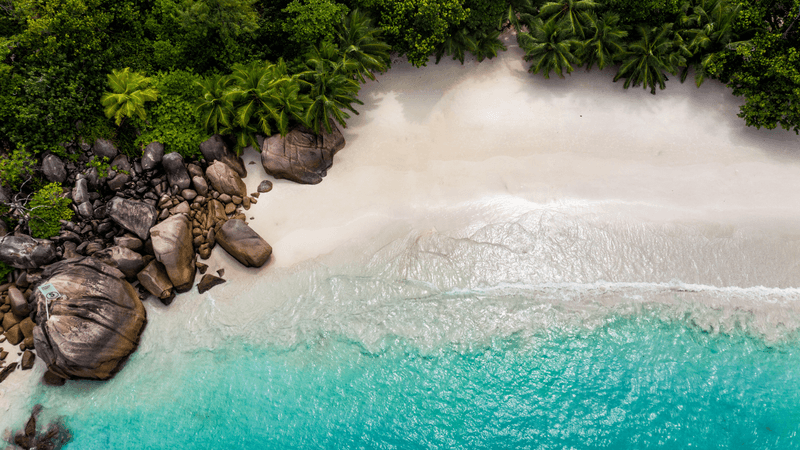
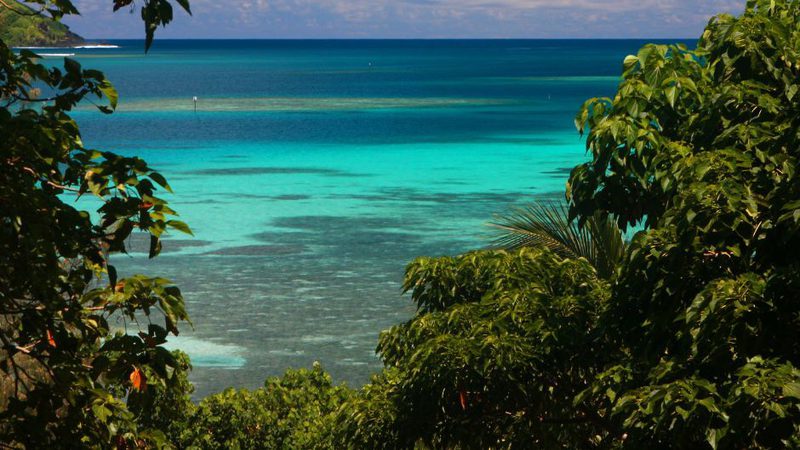
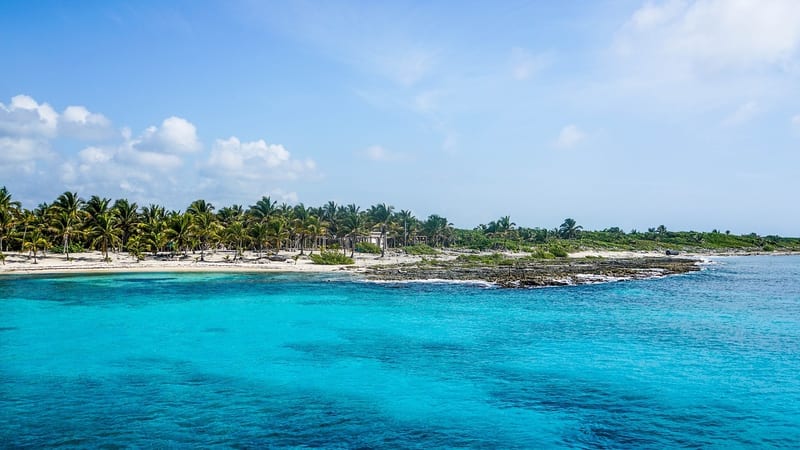
What makes Angola so compelling is the contrast between regions. The Atlantic coastline frames Luanda, where colonial history and modern city life sit side by side, before the land rises into the dramatic highlands of Huíla. From here, many Angola itineraries continue south into the remote Namib Desert, where winding mountain passes, empty roads, unusual desert plant life, and wild coastline create a remarkable sense of space and isolation.
Inland, the landscapes shift again. Regions such as Malanje introduce greener scenery, powerful waterfalls, and the striking rock formations of Pungo Andongo, while southern Angola also offers opportunities to experience tribal culture and traditional communities that remain closely connected to the land.
Travel here takes planning, but that is part of what keeps Angola feeling so rewarding. We design our Angola tours carefully, combining domestic flights with scenic overland trips to connect regions such as Luanda, Huíla, Malanje, and the Namib in a way that feels well-paced and immersive rather than rushed.
Timing matters too – the dry season from May to September generally offers the most reliable conditions for travelling between regions, though Angola has its own appeal at any time of year. Find out more about the best time to visit Angola.
For those willing to go a little further, holidays to Angola offer one of the most distinctive travel experiences across all our Africa holidays, where the journey itself becomes just as memorable as the destinations along the way.
Note: Angola is a truly off-the-beaten-track destination, still very much in the early stages of tourism development. Due to this, infrastructure and accommodation are currently more limited, and in many areas remain relatively simple compared to more established destinations. Whilst a number of exciting new properties are due to open over the coming years, travel here today requires a degree of flexibility and a sense of adventure. This is not a reason not to visit – in fact, it’s part of what makes Angola so special – but it is important that expectations are set accordingly. We will always ensure you are supported by experienced local guides throughout your journey, and we strongly recommend speaking with one of our specialists to understand whether this destination is the right fit for your style of travel.

I've been to Angola and know the best areas to visit. Let me plan your tailor-made trip.

Southern Angola: Tribes, Highlands and Namib Desert
- Luanda
- Lubango
- Namibe
- Luanda
Explore southern Angola’s tribal culture, dramatic escarpments, and remote desert landscapes
Angola Trip Inspiration

Our Angola specialist, Alistair, says:
“After more than 20 years travelling extensively across Africa, Angola still felt genuinely different to me. What struck me most was the sense of space and how untouched it remains. You can drive for hours through desert, highlands, and coastline without seeing another traveller. It’s one of the few places left where travel still feels truly exploratory rather than shaped around tourism.”
When to visit Angola
Find out the best time to visit Angola with our month by month guide.
- Best
- Good
- Mixed
- Jan
- Feb
- Mar
- Apr
- May
- Jun
- Jul
- Aug
- Sep
- Oct
- Nov
- Dec
January
Warm, humid conditions bring lush landscapes and dramatic waterfalls, particularly around Malanje. Coastal regions and southern Angola remain accessible, although inland road travel can occasionally become slower after heavy rain.
February
One of the wettest months inland, with greener scenery and fewer visitors. Kalandula Falls is particularly impressive, while coastal and desert regions continue to travel reasonably well despite occasional showers.
March
Rainfall gradually begins to ease in some regions, although inland areas remain green and humid. Excellent for photography, waterfalls, and travellers prioritising scenery over perfectly predictable road conditions.
April
April marks the transition into the dry season, with improving road conditions and warm temperatures across most regions. Landscapes still retain their green post-rain colour, making this one of Angola’s strongest shoulder-season months.
May
May is one of the best times to visit Angola, with cooler temperatures, dry weather, and reliable travel conditions. It is an excellent month for combining Luanda, Huíla, and the Namib Desert within one itinerary.
June
Excellent travel conditions across most of Angola, with clear skies and comfortable temperatures. Ideal for combining highlands, desert landscapes, and coastline, with easier overland travel between regions.
July
July is part of Angola’s peak dry season, with cooler mornings, very little rain, and excellent visibility for photography. Conditions are especially strong for exploring the Namib Desert and Huíla highlands.
August
August remains dry and sunny across most regions, with some of the most reliable travel conditions of the year. The cooler temperatures make longer overland journeys and desert exploration particularly comfortable.
September
September is still firmly within the dry season, although temperatures begin to rise slightly towards the end of the month. It remains one of the best months for multi-region Angola holidays.
October
October is a warm shoulder-season month with rising temperatures and slightly increasing humidity ahead of the rains. Travel conditions are still generally very good, particularly in southern Angola and along the coast.
November
November sees the gradual return of rainfall, especially inland, although travel remains very possible across much of the country. Landscapes begin turning greener again, while waterfalls start building after the dry season.
December
December is warmer and more humid, with short tropical showers becoming increasingly common inland. Coastal regions and southern Angola still travel well, while greener scenery adds a different atmosphere to the landscapes.
Where to go in Angola
Top places to visit in Angola


Best places to stay in Angola
Speak to a Angola expert today
and start planning your tailor-made holiday

Alistair
Angola Expert
FAQs About Your Angola Holiday
Planning a holiday to Angola? Our experts share advice on everything from what to pack, when to go, to tips for families, covering the questions we get asked the most.
Is Angola safe to visit?
Angola can be travelled safely with proper planning and experienced local support, but it is not currently a destination for completely independent travel. Infrastructure is still developing, distances can be long, and travel logistics often require flexibility. We arrange guided trips with trusted local teams, drivers, and accommodation throughout, helping travel feel smooth and well-supported. As with many emerging destinations, understanding where to go, how to travel between regions, and how to pace the itinerary is key.
Why visit Angola with Far and Wild Travel?
Angola is still a relatively complex country to travel through, which is exactly why careful planning makes such a difference. We build Angola holidays around realistic pacing, well-chosen routes, and first-hand knowledge of the regions that work best together. Our Managing Director spent time in Angola in 2025, exploring the country first-hand, and that on-the-ground insight shapes how we approach itineraries today. You can read about his trip here. Rather than trying to cover too much, we focus on combining key regions such as Huíla, Namib, Malanje, and the Atlantic coast in a way that feels rewarding rather than rushed.
What are the best places to visit in Angola?
Some of the best places to visit in Angola include the Namib Desert, the Huíla highlands, Kalandula Falls, and the coastline around Benguela and Cabo Ledo. Luanda provides an important cultural and historical introduction to the country, while inland regions such as Malanje and Pungo Andongo add a completely different landscape and atmosphere. Southern Angola is particularly strong for scenery, with dramatic escarpments, desert landscapes, and remote coastal areas all within the same broader route.
When is the best time to visit Angola?
The best time to visit Angola is generally during the dry season between May and September, when temperatures are cooler and road conditions are more reliable for overland travel. However, some regions, particularly Kalandula Falls and inland areas around Malanje, are most dramatic during or just after the rainy season. See a detailed breakdown and full seasonal highlight in our full guide on the best time to visit Angola.
What kind of holidays can you do in Angola?
Most Angola holidays are focused on landscapes, culture, and exploration rather than traditional safari experiences. Trips often combine dramatic scenery in the south with coastal stays, waterfalls, historic sites, and overland travel through remote regions. Angola works particularly well for travellers looking for something less conventional, where the focus is on variety and discovery rather than polished tourism infrastructure.
Is Angola good for safari holidays?
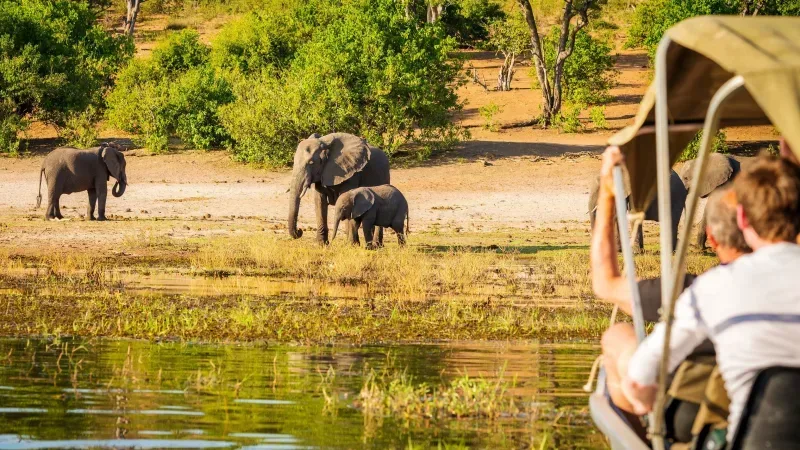
Angola is not currently a traditional safari destination in the same way as Botswana, Kenya, or Tanzania. While areas such as Kissama National Park offer wildlife experiences and conservation efforts are ongoing, most travellers visit Angola for its landscapes, coastline, and sense of exploration rather than for game viewing alone. That said, Angola’s national parks have significant long-term conservation potential, and the country offers a very different style of travel for those already familiar with more established safari destinations.
How long should you spend in Angola?
We usually recommend spending between 9 and 14 days in Angola to properly experience the country without rushing long travel distances. Shorter trips can focus on Luanda and southern Angola, particularly Huíla and Namib, while longer itineraries allow time to include Malanje, Benguela, or more remote coastal areas. Angola rewards slower travel, and building in enough time between regions makes a noticeable difference to the overall experience.
What is accommodation like in Angola?
Accommodation in Angola is generally simpler than in many other African destinations, particularly outside Luanda. The focus is usually on location and access to landscapes rather than high-end luxury. In regions such as Namib, Huíla, and Malanje, properties tend to be smaller lodges, eco-style stays, or well-positioned guesthouses that work well for exploration. Luanda offers more international-style hotels, while coastal areas such as Cabo Ledo are intentionally low-key and relaxed.
What makes Angola different from other African destinations?
What stands out most about Angola is how untouched it still feels. In many regions, you can travel for hours without seeing other tourists or large-scale tourism infrastructure. The country combines coastline, desert, highlands, waterfalls, and cultural diversity in a way that feels unusually varied, particularly within a single itinerary. For travellers who have already explored more established African destinations, Angola offers a different kind of experience, one that feels earlier, quieter, and far less shaped by tourism.
Do I need a visa for Angola?
British travellers currently do not need a tourist visa for short stays in Angola, although entry requirements can change, so it is always important to check the latest government guidance before travel. Your passport should also have sufficient validity remaining and blank pages for entry stamps. We provide guidance on the latest Angola travel requirements as part of the planning process.
How do I get to Angola from the UK
There are currently no direct flights from the UK to Angola, so most journeys connect via cities such as Lisbon, Addis Ababa, or Johannesburg. TAAG Angola Airlines operates international routes into Luanda, alongside airlines including Ethiopian Airlines and TAP Air Portugal. Most Angola holidays begin in Luanda before continuing by domestic flight or private overland travel into the country’s different regions.
What is there to do in Angola?
Angola offers a huge variety of experiences, particularly for travellers interested in landscapes, culture, and exploration. Highlights include driving the Serra da Leba in Huíla Province, exploring the remote Namib Desert and Iona National Park, visiting Kalandula Falls and the rock formations of Pungo Andongo, and spending time along the Atlantic coastline around Luanda, Benguela, and Lobito. Angola is also increasingly interesting for travellers wanting to experience tribal culture and regions that still feel largely untouched by tourism.
What language is spoken in Angola?
Portuguese is the official language of Angola and is spoken throughout the country. Alongside Portuguese, many regional and tribal languages are also spoken, particularly in more rural parts of Angola. English is still relatively limited outside hotels and some tourism settings, which is one reason why travelling with experienced local guides can make such a difference.