














Trips in Vietnam
Vietnam Trip Inspiration
Speak to a Vietnam expert today
and start planning your tailor-made holiday

Sophie
Vietnam Expert
Looking for more information?
Our comprehensive guide to Vietnam's unique wildlife and biodiverse landscape


Vietnam’s rich natural world is as captivating as its history and culture. With landscapes ranging from misty mountain forests and fertile river deltas to tropical coastlines and coral-fringed islands, the country is home to an astonishing array of wildlife. From guided Vietnam wildlife tours to relaxed eco-lodge stays, travellers can encounter everything from rare primates in the treetops to dolphins leaping offshore. This blog explores Vietnam’s unique biodiversity, introduces iconic species, highlights the best places to see them, and offers tips for enjoying wildlife responsibly.
Our Vietnam specialist Nia, says:
"Vietnam’s vast size and diversity of climates, landscapes, and environments make it a haven for wildlife. If you’re drawn to the water, try spotting bamboo sharks off the coast of Phu Quoc. For bird lovers, Di Linh is a real highlight, home to species like the black-headed parrotbill. And wherever you travel, you’ll see the iconic water buffalo — a proud national symbol of Vietnam’s deep-rooted agricultural heritage.”

Vietnam is one of Southeast Asia’s most biologically diverse countries and is recognised globally as part of the Indo-Burma biodiversity hotspot. Its long, narrow geography stretches across multiple climate zones, from the cooler temperate north to the tropical south, creating a patchwork of ecosystems that support extraordinary numbers of plants and animals. With over 50 national parks and nature reserves, Vietnam protects habitats ranging from misty mountain forests and fertile river deltas to coral-fringed coastlines.
In the north, towering limestone karsts and rugged mountains provide refuge for rare primates such as the Delacour’s langur and Tonkin snub-nosed monkey. The forests here are cool and cloaked in mist, with dense vegetation that hides shy mammals and colourful birdlife. In the central highlands, broadleaf forests shelter elephants, gibbons, and sun bears, while rivers and waterfalls carve through the jungle. The south is dominated by wetlands and lowland forests, crucial for migratory birds and endangered reptiles. Finally, Vietnam’s 3,000-kilometre coastline opens onto tropical seas, home to coral reefs, dolphins, and nesting turtles. This patchwork of ecosystems makes Vietnam one of the best places in Asia for wildlife holidays and nature tours.

Vietnam is home to an astonishing 10% of the world’s animal species, including over 900 bird species, 300 mammals, and countless reptiles, amphibians, and fish. New species are still being described by scientists almost every year, from brilliantly coloured frogs in remote highlands to unique orchids found deep within national parks. This sense of discovery makes Vietnam especially exciting for wildlife travellers and those interested in eco-tourism in Vietnam.
The country is also a haven for species that exist nowhere else on Earth. Among its treasures are seven endemic primates, including the striking, red-shanked douc and the delicate grey-shanked douc. Critically endangered turtles, such as the Yangtze giant softshell turtle, survive in isolated lakes and rivers. The Edwards’s pheasant, rediscovered after being thought extinct, is another example of how Vietnam continues to surprise conservationists.
Vietnam’s combination of stunning landscapes, incredible biodiversity, and ongoing conservation work makes it an unmissable country for nature lovers.


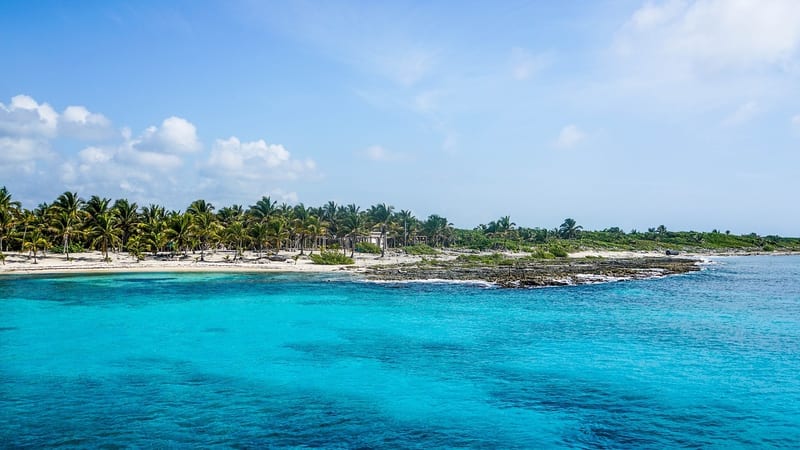
To explore Vietnam's coast for yourself, check out our South Vietnam and Beach Escape itinerary.

For travellers wondering where to see wildlife in Vietnam, these national parks and sanctuaries are the country’s top highlights.
Cuc Phuong National Park is Vietnam’s oldest national park, famous for its botanical diversity and primate rescue centre. Visitors can see langurs, gibbons, and a variety of reptiles, while spring brings millions of butterflies.
Cat Tien National Park in the south is one of the best wildlife destinations in Vietnam. With habitats ranging from rivers to evergreen forests, it is home to gibbons, elephants, hornbills, and numerous reptiles. Night safaris offer sightings of deer, porcupines, and civets.
Phong Nha-Ke Bang National Park, a UNESCO World Heritage Site, is better known for its caves but also harbours rich biodiversity. The largest national park in Vietnam, black bears, langurs, and rare birds are among its inhabitants.

Tràm Chim National Park in the Mekong Delta is a wetland haven for birds, especially Sarus cranes in the dry season. The Xuan Thuy National Park wetlands, part of the Red River Delta, are another birdwatching hotspot.
To see the Sarus Cranes for yourself, have a look at our Vietnam from Country to Coast trip.

Sanctuaries provide safe havens for rescued animals and educational opportunities for visitors. The Endangered Primate Rescue Center in Cuc Phuong plays a vital role in breeding and rehabilitating rare primates. The Bear Rescue Centre in Tam Dao provides a model of ethical wildlife care, making it one of the best places to see bears in Vietnam, with sun bears and moon bears thriving in naturalistic enclosures.
Eco-lodges such as those near Sapa and Phong Nha allow travellers to immerse themselves in nature while minimising impact - though they can still boast luxurious accommodations. Staying in an eco-lodge not only supports local communities but also provides the chance to hear gibbons at dawn or see fireflies over the river at night.
[Insert link to Far & Wild’s Vietnam from Country to Coast itinerary here]

Responsible wildlife tourism in Vietnam is key to protecting endangered animals and supporting conservation efforts. Travellers should observe animals quietly, avoid feeding them, and use binoculars rather than trying to get too close. Photography should always be non-intrusive, with no flash used around sensitive species.
Yok Don National Park has pioneered ethical elephant tourism, moving away from riding and logging toward walking safaris where elephants roam naturally. Similar conservation-led initiatives are helping shift tourism practices across the country.
Wildlife sanctuaries such as those in Cuc Phuong and Tam Dao demonstrate Vietnam’s growing commitment to conservation. Visitors play a role by supporting these centres rather than exploitative attractions. Respecting habitats, supporting eco-friendly businesses, and contributing to conservation funds all help ensure that Vietnam’s wildlife has a future.

Knowing when to travel is essential for a rewarding Vietnam wildlife holiday. The best time to explore wildlife in the north is from March to May and September to November, when the weather is mild and trekking conditions are excellent. Bird migrations are particularly active during these months, and spring brings the magical butterfly migrations of Cuc Phuong National Park.
In central Vietnam, the dry season from February to August is the most rewarding. This period offers both clear trekking conditions and excellent diving opportunities. Early mornings on the Son Tra Peninsula are especially rewarding for spotting red-shanked doucs as they emerge to feed.
In the south, the dry season from December to April is the best time for birdwatching across parks and wetlands. Between June and September is Vietnam’s turtle hatching season, and Con Dao becomes a hotspot for witnessing turtle hatchlings making their way to the ocean under the moonlight.
Although the wet season from May to October can make travel trickier, it transforms Vietnam’s landscapes into lush green paradises. Amphibians and reptiles thrive during this period, and with fewer tourists around, travellers often enjoy a more personal connection to nature.


Travellers should pack lightweight, breathable clothing suitable for hot and humid conditions. Warmer layers are essential for cooler nights in the north. Binoculars, a good camera, insect repellent, and a reusable water bottle are must-haves. Waterproof bags also help protect electronics during sudden downpours.
Hiring a local guide significantly improves the chances of seeing wildlife and offers valuable cultural insight. Independent travel is possible with preparation, though guides often know the best trails and times for sightings. Most parks are easily reached from major cities, though Con Dao requires a short flight.
Safety should be a priority on wildlife adventures. Staying on marked trails, carrying enough drinking water, and using sun and insect protection are essential for both comfort and health.
Many wildlife areas are close to ethnic minority communities. Respecting traditions, supporting local homestays, and asking permission before taking photographs enriches the travel experience while ensuring that communities also benefit from tourism.

Wildlife in Vietnam is never dull. For travellers looking to book tailor-made Vietnam wildlife holidays, the country’s diverse landscape and animals guarantee a once-in-a-lifetime trip. One day you might find yourself gliding through wetlands as Sarus cranes take flight, the next listening to gibbons call from the treetops or watching baby turtles shuffle toward the sea. From misty mountains to tropical reefs, every corner of the country has something wild and unique to offer, promising a truly unforgettable experience. If you feel inspired, check out all out Vietnam trips here!
and start planning your tailor-made holiday
Vietnam Expert