




















Best time to go to the Philippines
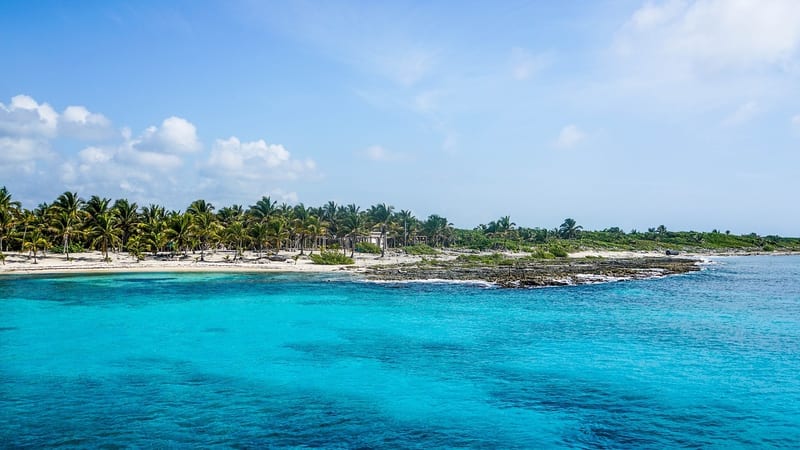
The Philippines is a tropical paradise with plenty to offer year-round, but the best time to visit depends on what you’re after. The country has two main seasons: dry and wet, each with its own vibe.
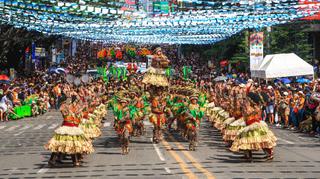
The dry season runs from December to May and is the most popular time to visit. The weather is warm and sunny—ideal for beaches, island hopping, and outdoor adventures. December to February is especially busy, with festive Christmas celebrations and perfect weather. Holy Week (March or April) is a meaningful time here, featuring traditional religious processions. Plus, from January to April, many colourful festivals light up the islands, like Ati-Atihan in Kalibo, Panagbenga in Baguio, and Sinulog in Cebu.
The wet season lasts from June to October, when the southwest monsoon brings heavy rain, especially to Luzon and the western Visayas. Typhoon season peaks between July and October, with August and September usually the most active months, and storms remain possible into November and December. It’s the low season, so places are quieter and better value, but flexibility is essential, and Mindanao and the eastern islands are often better choices at this time.
Some standout events worth timing your trip for include the lively Sinulog Festival in January, the vibrant Ati-Atihan also in January, the flower-filled Panagbenga in February, the colourful Pahiyas harvest festival in May, and the cultural Kadayawan Festival in August.
Overall, the dry season is the safest bet for great weather and festivals, but the wet season offers a more relaxed pace and fewer tourists. Either way, the Philippines promises unforgettable experiences, whether you’re chasing sunshine or don’t mind a little rain to discover its hidden gems.

I absolutely love the Philippines - call me today to talk about how I can tailor your perfect Philippines itinerary to you
January in the Philippines
January in the Philippines boasts pleasant weather with warm temperatures and minimal rainfall. It's an ideal time for beach vacations, island hopping, and water activities in destinations like Boracay and Palawan. Embrace Filipino culture at lively festivals such as the Ati-Atihan and Sinulog. Explore historical sites, trek picturesque landscapes, and try local cuisine. With mostly sunny days, January provides an excellent opportunity for a well-rounded travel experience, combining cultural immersion and outdoor adventures in the Philippines."
February in the Philippines
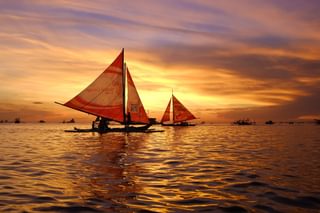
February in the Philippines ushers in a delightful climate with warm temperatures and low humidity. This is the perfect time for coastal escapades, island explorations, and immersing in the Philippines' natural beauty. Iconic destinations like Palawan and Cebu beckon with their serene charm. February also hosts vibrant festivals, including the lively Panagbenga Festival in Baguio. Expect predominantly dry, sun-kissed days.
March in the Philippines
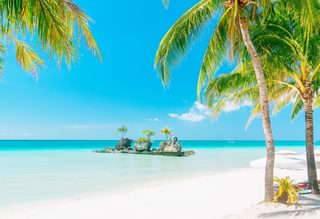
March is the height of the dry season, with warm, sunny weather ideal for beaches, snorkelling, diving and hiking, and temperatures rise steadily through the month. Boracay and Palawan are popular, and Holy Week, which falls in March or April, is one of the busiest travel weeks of the year, so book early. Expect predominantly sunny days with minimal rainfall.
April in the Philippines
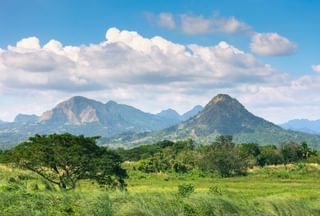
April continues the dry season but is also one of the hottest months of the year, with Manila and the Luzon lowlands regularly reaching the mid-30s. Holy Week frequently falls in April, with religious processions and traditions across the country. Calm seas make it a superb month for beaches, island hopping and diving, while the cool highlands around Baguio and Sagada offer respite from the heat.
May in the Philippines
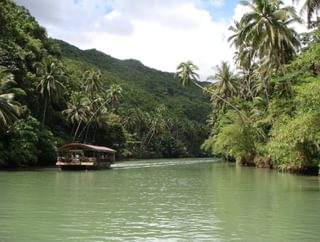
May in the Philippines ushers in the transition from dry to wet season. The weather is warm and increasingly humid, with occasional rain showers. May is perfect for experiencing local festivals and cultural events, such as the Flores de Mayo. It's an ideal time for outdoor activities like beach trips, and jungle treks, with popular destinations like Palawan and Cebu providing a mix of adventure and relaxation. While rain becomes more frequent, May still offers a balance between sunny days and brief showers, making it a good month for visitors looking for diverse experiences.
June in the Philippines
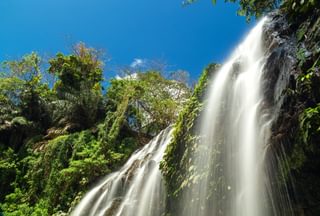
June in the Philippines brings warm and humid weather with sporadic rain, marking the start of the wet season. Enjoy local festivals, indulge in Filipino cuisine, and partake in water activities. June provides a balance of brief sunshine and brief rain, making it a good time if you are seeking cultural experiences.
July in the Philippines
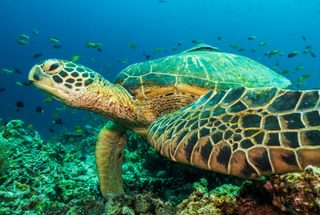
In July, the Philippines experiences its rainy season, making it a unique time to visit. While the weather can be unpredictable with occasional downpours, it's a great opportunity to explore lush landscapes and enjoy fewer crowds. You might want to consider destinations like Palawan, where the rainforest comes alive, or Bohol, famous for its Chocolate Hills. Water enthusiasts can still indulge in activities like diving and snorkeling, as the underwater visibility remains decent.
August in the Philippines
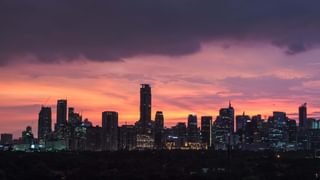
August in the Philippines is warm and humid, part of the wet season with occasional heavy rainfall and possible typhoons. It's a time for vibrant festivals like the Kadayawan Festival, offering cultural experiences. Beach time is best planned around Mindanao or the eastern islands, where the southwest monsoon has less effect. Explore indoor attractions, try Filipino cuisine, and shop for unique souvenirs in Manila. Travellers should be prepared for rain and potential disruptions due to typhoons, so staying updated on weather forecasts is crucial for a safe and enjoyable visit.
September in the Philippines
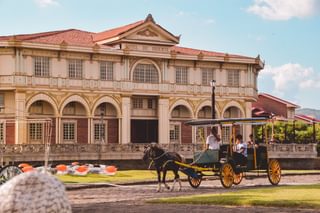
September sits at the peak of the typhoon season and is one of the wettest months of the year, particularly in Manila, western Luzon and the western Visayas. Heavy rain and tropical storms can disrupt flights and ferries, so keeping an eye on PAGASA forecasts and building flexibility into the itinerary is essential. Mindanao lies largely south of the main typhoon belt, and Siargao’s surf season is getting into its stride. The rewards are green landscapes, few visitors and good-value rates.

October in the Philippines
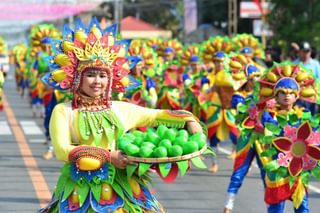
October is a transitional month. The southwest monsoon usually ends early in the month, but typhoons are still common across Luzon and the Visayas, so travel plans need some flexibility. When the weather allows, it’s a good time for Manila’s cultural scene and historical sites such as Intramuros. Bacolod’s MassKara Festival, in the fourth week of October, fills the streets with smiling masks, music and dancing.
November in the Philippines
November marks the shift from wet to dry season as the northeast monsoon (amihan) sets in, bringing cooler, drier air to the west of the country. Conditions in Palawan, Boracay and Bohol improve as the month goes on, making it a great time to beat the peak-season crowds. Typhoons are still possible, especially in the first half of the month, and the eastern seaboard can see heavy rain under the amihan.
December in the Philippines
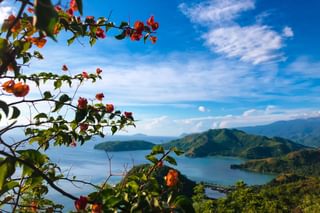
December is a much-anticipated month in the Philippines. While it marks the beginning of the dry season in most regions, it's a time of celebration and festivities. The weather is typically cooler and more comfortable, making it ideal for outdoor activities and travel.
Christmas traditions in the Philippines are vibrant, with elaborate decorations, colorful parades, and nightly Simbang Gabi masses. The country comes alive with a sense of joy and togetherness. From beach getaways to exploring historical sites, December offers a blend of cultural richness and pleasant weather, making it a wonderful time to experience the Philippines.
The Philippines Trip Inspiration
Speak to a The Philippines expert today
and start planning your tailor-made holiday

Sophie
The Philippines Expert