






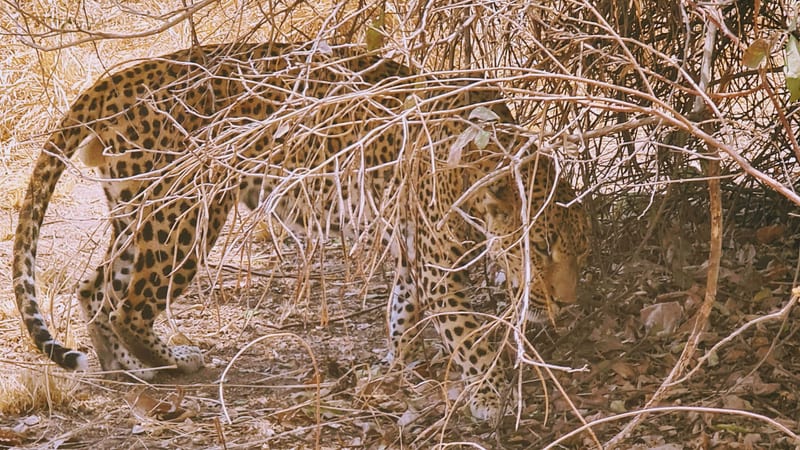


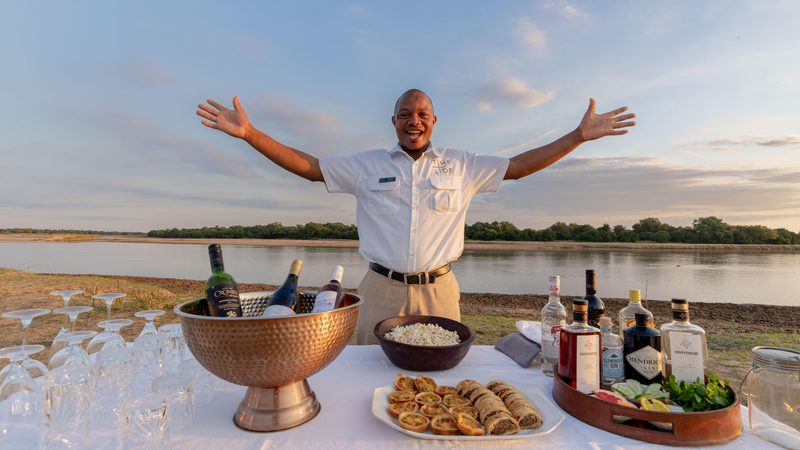

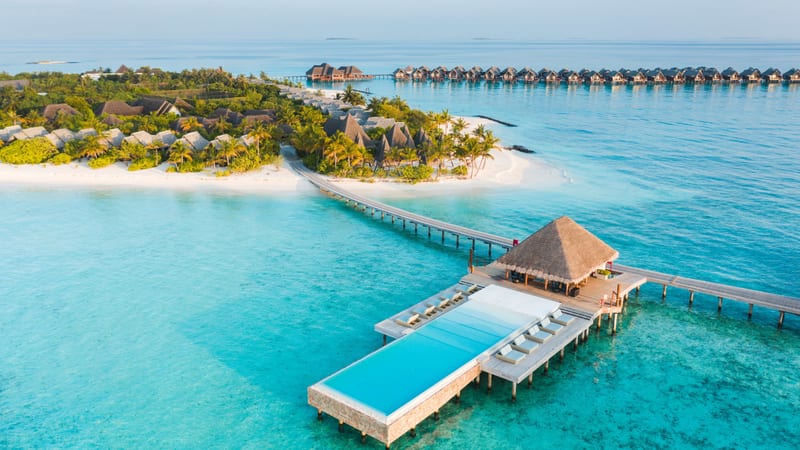
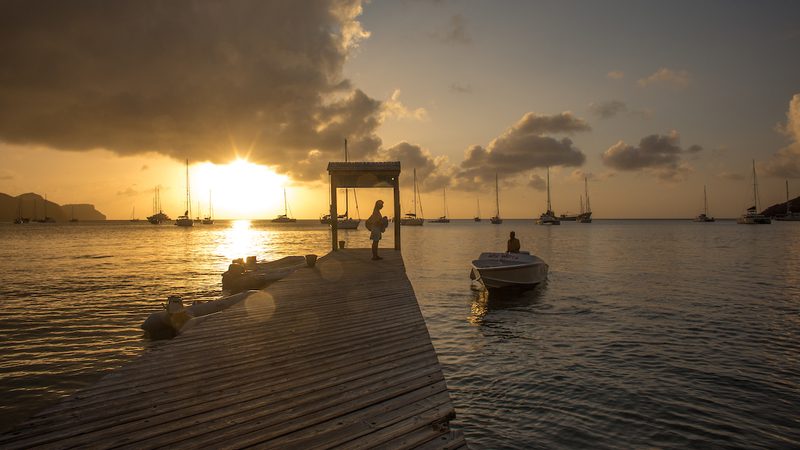


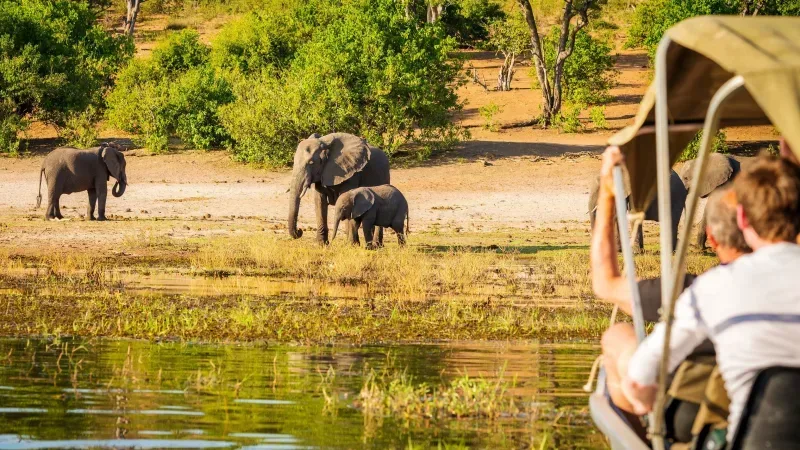


A remote camp in Northern Zimbabwe, Changa Safari Camp is an ideal location for a wild safari experience.
Location
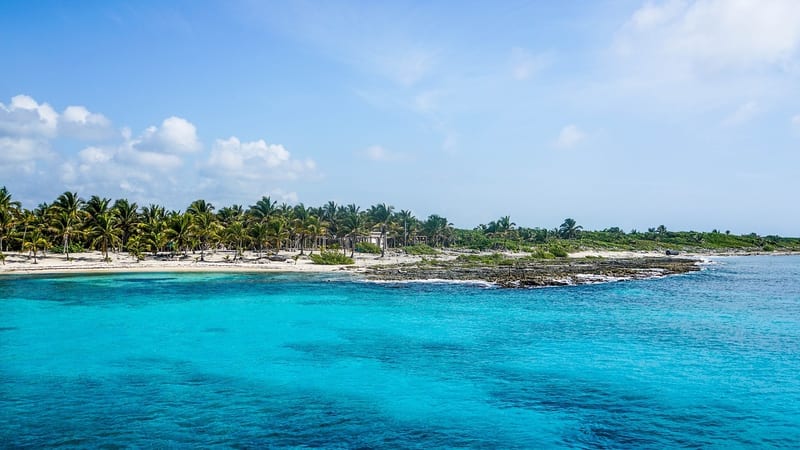
Located on the banks of Lake Kariba, the world’s largest man-made lake, is the intimate and serene Changa Safari Camp. The camp is in a private concession within Zimbabwe's Matusadona National Park, an area teeming with a diverse range of wildlife. Changa also has access to nearly 4 km of the stunning Lake Kariba’s shoreline, and its environment, virtually untouched by human activity provides guests with a true wild safari experience. The camp is accessed by flying over Lake Kariba (such fantastic views) followed by a 15 minutes road transfer.
Rooms
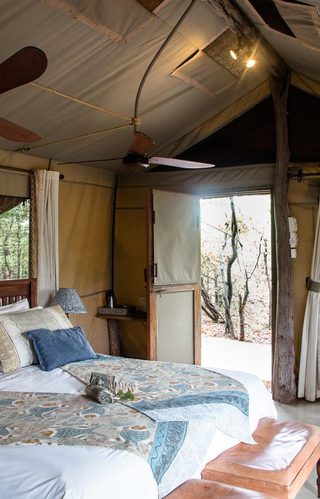
The accommodation comprises six standard tents and eight luxury tents with either double or twin beds, each thoughtfully placed to take in views of the lake and surrounding bush. Tents are classic safari canvas with East African design influences, offering private decks, en-suite bathrooms with indoor and outdoor showers and bathtubs, ample storage and a sense of open-air connection with nature.
Facilities
The camp’s shared spaces are relaxed yet refined, centred around a shaded lounge and dining area that flows onto a deck overlooking the water. A swimming pool offers a refreshing retreat with lake views, and a selection of massage and wellness treatments is available at the bush spa. Wi-Fi and a charging station are offered in the main communal area, and meals range from alfresco lunches on the deck to candle-lit dinners beside the fire pit.
Activities
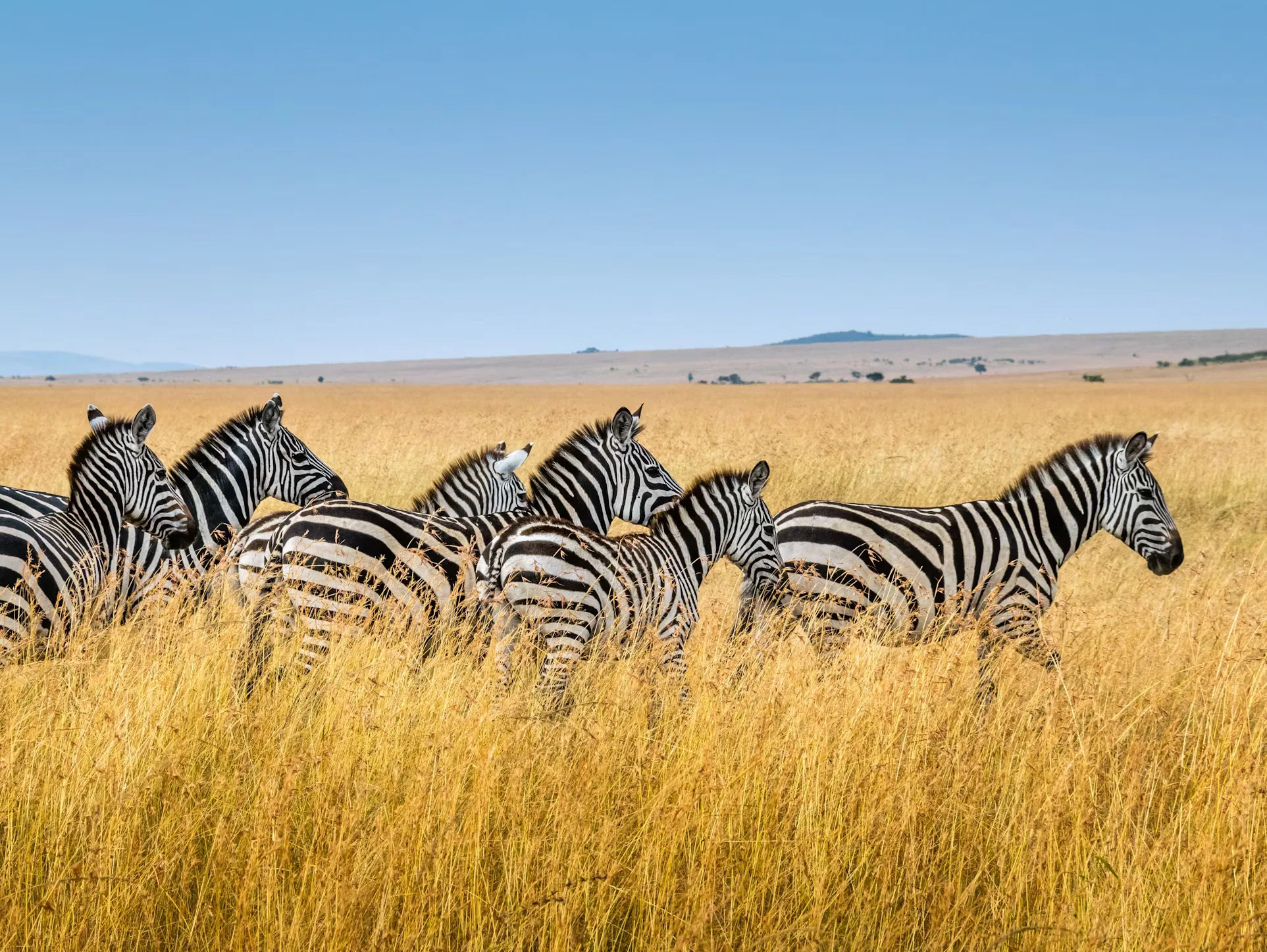
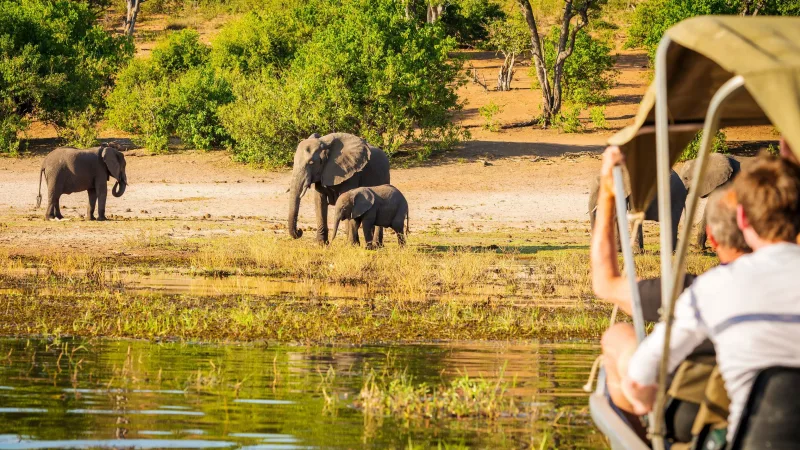
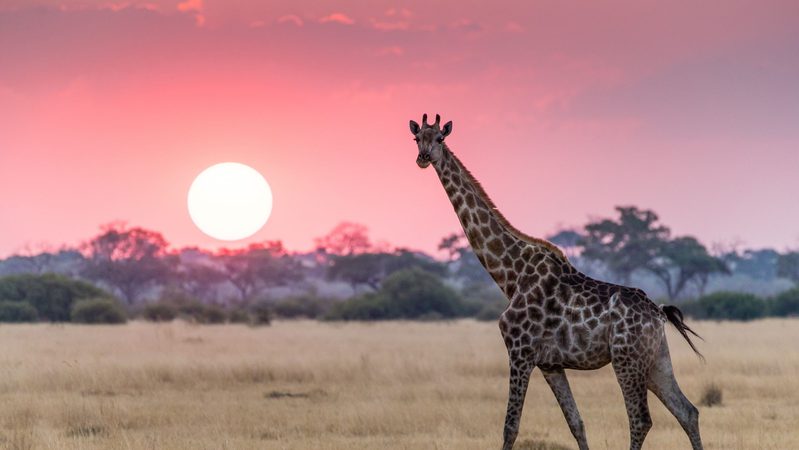
Activities include game drives in the mornings and afternoons, which provide an ideal opportunity to do some wildlife photography. A different but just as special way to experience the African bush is by embarking on a bush walk with an experienced guide. These are a fantastic way to experience the African bush as you can get quite close to the animals and pick up lots of fantastic knowledge about them and their environment. Alternatively, you can go on a boat excursion to Sanyati Gorge or go Tiger Fishing in Lake Kariba.
Sustainability
The camp blends into its natural surroundings using locally inspired materials and runs on a combination of solar power and carefully managed generator use. The wider area falls under African Parks’ conservation stewardship, promoting habitat restoration, wildlife protection and community engagement across Matusadona National Park. Guest stays directly support these efforts and the long-term health of the park’s ecosystems.
Let one of our experts help your craft an unforgettable experience
Best places to stay in Lake Kariba & Matusadona National Park
Zimbabwe Trip Inspiration
When to visit Zimbabwe
Find out the best time to visit Zimbabwe with our month by month guide.
- Best
- Good
- Mixed
- Jan
- Feb
- Mar
- Apr
- May
- Jun
- Jul
- Aug
- Sep
- Oct
- Nov
- Dec
January
January is an excellent time to head out with expert guides and view resident and migratory bird species. The days are warm, with the risk of rain, this clears very fast as it arrives.
February
February is the best time for birders. The days are warm, with the risk of afternoon rain showers, but they clear as fast as they arrive.
March
If you want to witness Vic Falls at its fullest, March is the month to visit, with huge volumes of spray, it is perfect if you want to see the gorges and geology of the area.
April
The world famous Mana Pools re-open in April. The days feel fresher as the wet season ends leaving the landscapes looking lush green, making it perfect for walking safaris.
May
In May, the days continue to feel fresh and bright making it a perfect time to venture out on walking safaris.
June
June heralds the return of winter, nights turn colder and the temperature dips - take plenty of layers as the temperature can drop below freezing. It is the perfect time for photographers to explore Hwange National Park before the busy holiday period.
July
Winter temperatures continue into July so take plenty of layers. Much like June, it is perfect for photographers looking to view wildlife from a different angle.
August
If you want clear, bright blue skies and continuous wildlife sightings, August is the month for you. Camps are likely to be fuller, however, if you visit private concessions you can still experience exclusivity and no crowds.
September
Much like August, September is an amazing time for wildlife spotting and weather, in particular it is considered the best time of year to see elephant herds in Hwange National Park.
October
In October wildlife sightings are at their peak as the dry season ends. If you travel during this month you can experience hot days with temperatures soaring up to 40 degrees.
November
November is the best time to head out with expert guides and view resident and migratory bird species. The days are warm, with the risk of rain, this clears very fast as it arrives. It is low season and one of the best times to go white water rafting at Vic Falls, the volume and speed of the water is reduced exposing the rapids.
December
In December the days are warm with the risk of rain showers mid afternoon. The rivers rise and dependant on water levels travellers can visit 'devils pool' at Vic Falls, providing high excitement and a head for heights needed if you want to get close to the drop off.
Speak to a Zimbabwe expert today
and start planning your tailor-made holiday

Alistair