












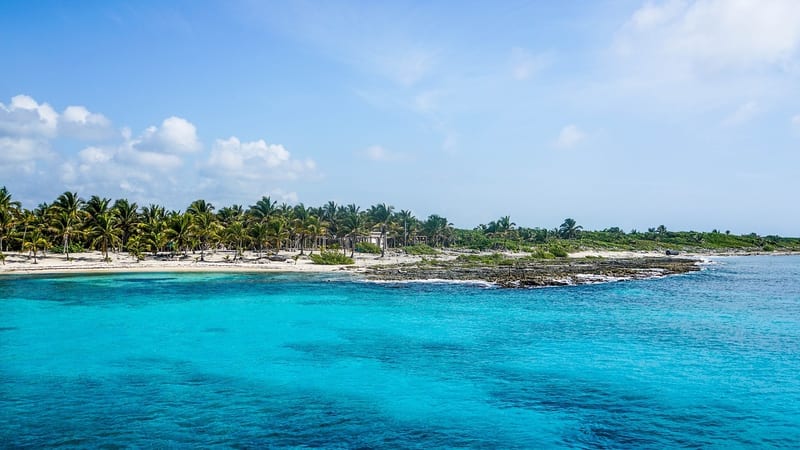




Set on the southern edge of Mida Creek in Watamu, this small boutique stay blends rustic design with a genuinely easy-going atmosphere.
Location: Tucked along a quiet stretch of creek shoreline, the setting is one of the hotel’s real strengths. You are surrounded by mangroves, birdlife and calm, glassy water, with the Indian Ocean and Watamu Marine National Park just a short boat ride away. It is peaceful, but still within easy reach of Watamu’s beaches and wider coastline.
Rooms: There are six individually styled rooms, ranging from doubles to family-friendly options. All are en-suite with rain showers, fans and both indoor and outdoor seating. Expect a natural, coastal feel, makuti roofs, simple finishes and thoughtful touches like mosquito nets and fast WiFi. The larger Beach Banda works well for groups or families.
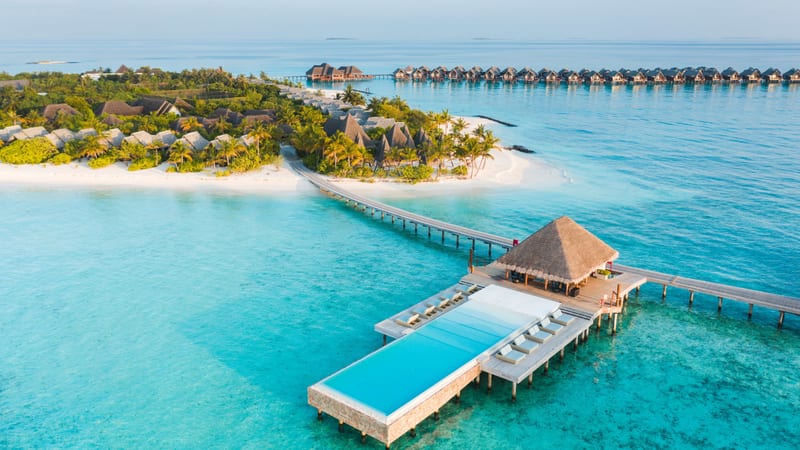
Amenities: The main areas are open and sociable, centred around a pool, bar and restaurant. There is also an outdoor gym, hammocks, swing beds and a tree deck overlooking the creek. The open kitchen focuses on fresh, locally sourced ingredients, with a strong emphasis on seafood and relaxed, informal dining.
Activities: This is a place to slow down, but there is plenty to do if you want it. Paddleboarding and kayaking start straight from the creek, while boat trips, snorkelling, diving and deep-sea fishing are all easy to arrange. Further afield, you can explore Arabuko Sokoke Forest or head inland to Tsavo East for a day safari.
Sustainability: The approach here is refreshingly practical rather than overplayed. Solar power supports the property, water usage is carefully managed, and seafood is sourced sustainably from local waters. There is a clear effort to work with nearby communities, from local suppliers to Kenyan-made furniture and artwork.
Overall, this is not about polished luxury. It is about atmosphere, setting and simplicity done well. We recommend it for couples or families looking for somewhere relaxed, characterful and close to nature on the Kenyan coast.

Let me help you create your perfect holiday
Best places to stay in Watamu and Malindi
Watamu and Malindi Trip Inspiration
When to visit Kenya
Find out the best time to visit Kenya with our month by month guide.
- Best
- Good
- Mixed
- Jan
- Feb
- Mar
- Apr
- May
- Jun
- Jul
- Aug
- Sep
- Oct
- Nov
- Dec
January
January is a great time for wildlife viewing. The landscapes are lush and green after the 'short rains' and newborn animals can been seen. It is hot, but brief afternoon or evening showers cool things down, without compromising your safari. Over on the coast the sea is clear, making it ideal for diving and snorkelling, and the days are warm and bright.
February
February is an ideal time to visit Kenya, and great for game viewing. The landscapes are green and thriving thanks to the short rains, and newborn animals will be hopping around the plains. There maybe a few afternoon showers which are welcome in the heat, and don't impact on wildlife viewing. Water clarify is excellent at the moment, which is good news for watersports enthusiasts. And if you want to spot a whale shark, now is the time to try.
March
Still a good option for wildlife viewing and diving, although with the 'long rains' just around the corner, expect wetter and hotter weather.
April
April brings the start of the 'long rains' which means game reserves and national parks become muddy and harder to drive around. Over on the coast it's hot and wet, so it isn't the best time of year to travel. Some camps and lodges close during this period.
May
The 'long rains' continue into May, making park tracks difficult to navigate in the mud, and the coast very warm and wet. There will be less accommodation choice at this time as several lodges and camps during this period.
June
June is a beautiful time of year to visit Kenya, with the rains receding to just light showers, and the long dry season not far ahead. The high grasses can sometimes make it more of a challenge to spot game, but the landscapes are lush and some animals may begin arriving early for the migration. At altitude nights can be cool, but elsewhere the temperature is pleasant.
July
July marks the beginning of the great migration into the Masai Mara, and with warm and generally dry weather, this is a great time of year to visit. Days are sunny, skies are blue and there isn't too much dust around, so it's a great time for photography.
August
The migration is now in full swing in the Masai Mara, with lots of river crossing action, so if you want to see those massive herds of wildebeest and zebra, now is the time to come. Game viewing in general is excellent and it's one of the most popular times of year to visit, so some of the main parks do become crowded. Temperatures are warm and dry.
September
Game viewing continues to be excellent, and the weather is generally dry so this is another ideal month to visit Kenya's parks. The bush is less dense and as animals gather around waterholes and rivers it makes wildlife spotting much easier.
October
October is a great time if you want to avoid the crowds and don't mind the temperature slowly starting to rise. There may be a few short showers, but game viewing remains excellent with the end of the migration, and it's a good time to holiday anywhere in Kenya.
November
November heralds the start of the 'short rains' and with hotter temperatures some camps are closed. The Mara however is still open, and despite sometimes stormy skies, game viewing is still good. Fewer crowds and lower prices make this an attractive month to visit. Over on the coast water clarify is good for snorkelling and diving.
December
The 'short rains' are bringing the landscapes back to life, and as the plains start to become green again, wildlife viewing remains good, and it's a great time for birding. Some camps are closed (mainly in the north of Kenya) but many others remain open. The showers tend to fall in the afternoons and don't impact greatly on a safari. Take advantage of reduced visitor numbers and lower prices.
Speak to a Kenya expert today
and start planning your tailor-made holiday

Alistair