

















Trips in Japan
Japan Trip Inspiration
Speak to a Japan expert today
and start planning your tailor-made holiday

Sophie
Japan Expert
Looking for more information?


For many first-time visitors, Japan begins with two remarkable cities: Tokyo and Kyoto. Tokyo dazzles with its scale, creativity and energy, while Kyoto takes you back in time with traditional neighbourhoods and centuries of cultural heritage, being one of the oldest countries in the world!

But Japan offers far more variety than the simple contrast of Tokyo and Kyoto. Step beyond these well-known cities and you begin to discover another side of the country, one shaped by ancient forests, art-filled islands, historic merchant towns and quiet mountain communities.
This matters more than ever! Tourism to Japan has surged in recent years, with popular districts in Kyoto and Tokyo experiencing record visitor numbers, and these are growing year on year. While these destinations remain extraordinary places to explore, travelling a little further helps reveal the depth and diversity that makes Japan so compelling. Japan is a country of striking contrasts, and we believe the most rewarding itineraries explore it from several different angles.

For travellers willing to look beyond the obvious, some of the most memorable experiences lie in smaller cities, remote islands and landscapes that feel far removed from the crowds. From hiking through cedar forests on Yakushima Island to exploring contemporary art on Naoshima, these destinations show a different perspective on Japan.
If you want to explore beyond the Tokyo and Kyoto route, these destinations offer a different perspective on the country.
• Yakushima Island – ancient cedar forests, waterfalls and some of Japan’s best hiking
• Naoshima – a peaceful island dedicated to contemporary art and architecture
• Kanazawa – historic districts, traditional crafts and one of Japan’s most beautiful gardens
• Takayama – a well-preserved mountain town with traditional streets and markets
Each destination works well as part of a wider Japan itinerary and can easily be reached using Japan’s excellent rail and ferry network.
Japan’s classic “Golden Route”, linking Tokyo, Hakone, Kyoto and Osaka, has long been the foundation of many first visits to the country. It offers an excellent introduction to Japan’s mix of modern culture, historic temples and dramatic scenery.
However, in recent years tourism to Japan has grown rapidly. Some districts in Kyoto, particularly the historic streets of Gion and Higashiyama, can feel very crowded during peak seasons. Travellers are increasingly looking to visit outside the famous spring cherry blossom season in the hope of avoiding the crowds, but the reality is that there is rarely a truly quiet time in these main hubs anymore.

Exploring beyond the most famous destinations offers a very different experience. Smaller cities and regional destinations often provide a deeper connection to Japan’s local culture, landscapes and traditions. They also tend to move at a slower pace, giving travellers more time to appreciate local food, craft traditions and daily life.
Spreading travel across the country is also important from a sustainability perspective. Encouraging visitors to explore a wider range of destinations helps support local communities while easing pressure on heavily visited areas.
As Nia, Japan Specialist, explains:
“Japan rewards travellers who venture beyond the classic route. Some of the most memorable places are the smaller cities and islands where you see a slower, more traditional side of the country. You come home with unique experiences from parts of the country most won’t have visited.”
Thanks to the very efficient Japanese railway and public transport network, travelling further is remarkably straightforward. High-speed trains connect major cities quickly, while regional railways and ferries provide access to islands, rural landscapes and historic towns.

If you are looking for a truly wild landscape in Japan, Yakushima Island is one of the country’s most remarkable destinations.
Located south of Kyushu, Yakushima is famous for its ancient cedar forests, mist-covered mountains and remarkable biodiversity. Much of the island is protected as a UNESCO World Heritage Site and feels worlds away from Japan’s busy urban centres.
With only around 20,000 residents, Yakushima often feels wonderfully quiet. Visitors frequently comment that there seem to be more animals than people. Deer roam freely through the forests, macaque monkeys are often seen along hiking trails and waterfalls cascade through dense green valleys.
The island’s greatest attraction is its hiking. Yakushima is a dream destination for travellers who enjoy walking, with trails that range from gentle forest paths to challenging mountain treks.
One of the most famous hikes leads to the Jomon Sugi cedar tree, believed to be thousands of years old and among the oldest living trees in Japan.
The landscape here has an almost mythical quality. Moss-covered stones, twisted cedar trunks and drifting mist create an atmosphere that many visitors find unforgettable. The forests were even said to inspire elements of Studio Ghibli’s animated film Princess Mononoke.
Despite its beauty, Yakushima remains relatively under-visited compared with many Japanese destinations. Visitors usually spend several days exploring the island, combining forest walks with coastal viewpoints, waterfalls and natural hot springs.
For travellers who enjoy the outdoors, Yakushima offers a rare opportunity in Japan to swap busy cities for ancient forests and mountain trails.
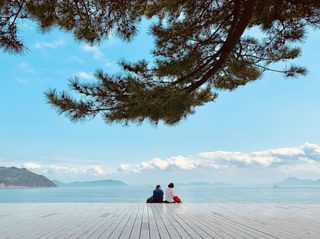
Set within the calm waters of the Seto Inland Sea, Naoshima is one of Japan’s most unusual and creative destinations.
This small island has become internationally famous for its contemporary art, architecture and cultural projects that blend seamlessly into the natural landscape.
Naoshima forms part of the Benesse Art Site initiative, which has transformed the island into a hub for modern artistic expression.
One of the most memorable experiences here is staying at Benesse House, a unique property that also functions as an art museum. Guests can stay overnight in rooms that double as gallery spaces, surrounded by contemporary artworks. With limited rooms and the rare opportunity to experience the galleries after hours, it offers an exceptionally exclusive stay that feels both private and deeply connected to the island’s artistic spirit.
Several world-class museums can be found across the island. The Chichu Art Museum is perhaps the most famous, designed by renowned architect Tadao Ando and built largely underground to preserve the surrounding landscape.
Other notable cultural highlights include the Lee Ufan Museum, the Naoshima New Art Museum and the Art House Project, where traditional village houses have been converted into creative installations.
Art also appears in unexpected places. The famous yellow pumpkin sculpture by Yayoi Kusama sits on the island’s waterfront and has become one of Naoshima’s most recognisable landmarks.
Compared with the busy cities of the Golden Route, Naoshima feels calm and contemplative. Visitors often cycle between museums, beaches and small villages, taking their time to explore the island’s artistic spaces.

Kanazawa is one of Japan’s most rewarding cultural cities and an easy addition to many itineraries.
Located on the Sea of Japan coast, the city prospered during the Edo period and developed a strong cultural identity centred on crafts, gardens and traditional arts.
One of Kanazawa’s most celebrated landmarks is Kenrokuen Garden, widely considered one of Japan’s most beautiful landscape gardens. Carefully designed ponds, stone lanterns and seasonal flowers create a setting that changes dramatically throughout the year.
Nearby stands Kanazawa Castle, once the seat of the powerful Maeda clan.
The city’s historic districts are particularly fascinating to explore. The Nagamachi district, once home to samurai families, still features narrow lanes, earthen walls and preserved residences that provide insight into feudal Japan. In the Nagamachi district, you can enjoy experiences often associated with Kyoto. Spending an afternoon with a geisha or taking part in a traditional tea ceremony can be done here in Kanazawa, offering an experience very similar to what you could do in Kyoto.
Equally atmospheric is Higashi Chaya, Kanazawa’s historic geisha district. Wooden teahouses line the streets, and visitors can experience traditional tea ceremonies and cultural performances.
Kanazawa is also known for its craftsmanship. Gold leaf production has long been associated with the city, and local artisans continue to produce ceramics, lacquerware and textiles. Food is another highlight. Omicho Market offers an excellent introduction to regional ingredients and seafood, while local restaurants showcase traditional dishes from the Hokuriku region.
One of our favourite cultural experiences in Kanazawa is a visit to Fukumitsuya Brewery for a sake tasting. You can learn about traditional brewing methods while sampling a selection of regional sakes, gaining insight into the craftsmanship and history behind this iconic Japanese drink.
With direct bullet train connections from Tokyo and Kyoto, Kanazawa is one of the easiest destinations to include when travelling beyond Japan’s most visited cities.

Nestled in the mountainous Hida region, Takayama offers a completely different atmosphere from Japan’s major cities.
The town is known for its beautifully preserved historic centre, where traditional wooden merchant houses line narrow streets that have changed little over the centuries.
Walking through Takayama’s old town is one of the highlights of visiting the region. Small shops sell handmade crafts, sweets and local sake, while traditional restaurants serve regional specialities such as Hida beef.
The city’s morning markets, held along the Miyagawa River, are another memorable experience. Local farmers and artisans gather to sell fresh produce, pickles and handmade goods, creating a lively yet relaxed atmosphere.
Beyond the centre, several cultural sites reveal more about the region’s heritage. The Higashiyama Walking Course links temples and shrines along a peaceful hillside trail.
The nearby Hida Folk Village is also worth visiting. This open-air museum features traditional farmhouses relocated from across the region, offering insight into rural life in Japan’s mountain communities.
Takayama also makes an excellent base for visiting Shirakawa-go, a UNESCO-listed village known for its distinctive thatched-roof houses.

Japan can be visited throughout the year, but each destination offers something different depending on the season.
Spring is famous for cherry blossoms, which transform parks and gardens in cities such as Kanazawa and Takayama, and it is also a particularly pleasant time to visit Naoshima’s coastal setting. Autumn brings spectacular foliage to the mountains, particularly around Takayama and Yakushima, while winter is a wonderful time to visit Shirakawa-go, when the traditional thatched-roof houses are covered in snow, creating a truly magical scene.
Travelling just outside the peak holiday periods may improve the experience, particularly in Japan’s most popular cities, where major attractions, temples and transport hubs can become crowded. Visiting during these shoulder periods often means shorter queues, more availability at sought-after accommodations, and a more relaxed pace for exploring both iconic sites and hidden local gems.
Japan’s transport system makes it easy to incorporate lesser-known destinations into a wider trip. One possible route begins in Tokyo, where travellers can explore neighbourhoods such as Asakusa, Shibuya and Omotesando before travelling to Hakone to enjoy hot springs and views of Mount Fuji. From there, Kyoto provides an introduction to temples, traditional districts and cultural experiences such as tea ceremonies and maiko performances. Continuing south brings travellers to Naoshima, where several days can be spent exploring museums and nearby islands such as Teshima.
The itinerary could then continue to Hiroshima, a city known for its history and surprisingly vibrant food scene. Finally, the trip could end on Yakushima Island, where forest hikes and coastal scenery provide a peaceful contrast to the earlier cities. Another route focuses on central Japan. After Tokyo and Hakone, travellers can continue to Kanazawa to explore its gardens and historic districts before travelling to Takayama.
From there the route continues to Kyoto and Hiroshima before departing home.
Japan’s rail network makes it easy to explore beyond the most famous destinations, but thoughtful planning helps create the best balance between cities, culture and nature.
Combining major highlights with quieter regions often creates the most rewarding travel experience.
At Far and Wild Travel we design tailor-made trips across Japan that include the iconic sights alongside places that feel a little less expected.
Exploring destinations such as Yakushima, Naoshima, Kanazawa and Takayama allows travellers to experience a broader and more authentic side of the country.
What are the best places to visit in Japan beyond Tokyo and Kyoto?
Some of the most rewarding destinations include Yakushima Island for nature and hiking, Naoshima for contemporary art, Kanazawa for traditional culture and Takayama for rural mountain landscapes.
Is it easy to travel around Japan beyond the main cities?
Yes. Japan’s rail network is extremely efficient and connects most regions quickly using high-speed and regional trains.
How many days should you spend exploring lesser-known destinations in Japan?
Most travellers add three to seven days beyond the classic Golden Route, allowing time to explore smaller cities and natural landscapes at a more relaxed pace.
Is Kanazawa worth visiting instead of Kyoto?
Kanazawa offers many similar cultural experiences to Kyoto, including historic districts, gardens and tea houses, but generally with fewer crowds.
What is the best nature destination in Japan?
Yakushima Island is widely considered one of Japan’s most spectacular natural landscapes thanks to its ancient forests, waterfalls and extensive hiking trails.
and start planning your tailor-made holiday
Japan Expert