

























Canada’s eastern frontier where rugged coastlines, wildlife, and maritime culture come together.
A holiday to Newfoundland and Labrador takes you to Canada’s Atlantic edge, where dramatic cliffs, quiet fishing communities, and vast wilderness create one of the country’s most distinctive travel experiences.
Newfoundland and Labrador is shaped by the North Atlantic, and it feels unlike anywhere else in Canada. Icebergs drift along the coastline every spring, whales arrive through the summer, and colourful outports remain closely connected to the sea that has supported them for generations. The landscape changes quickly between rocky headlands, sheltered coves, boreal forest, and open barrens, with long coastal roads linking communities that still hold a strong sense of local identity. The province holds two UNESCO World Heritage Sites, Gros Morne National Park and the Viking settlement at L’Anse aux Meadows, so a trip here combines dramatic natural scenery with genuine, tangible history found nowhere else in North America.
St. John’s is the natural starting point, combining brightly painted streets, historic harbour views, and a lively food scene with easy access to the surrounding coastline. Signal Hill, where Marconi received the first transatlantic wireless signal in 1901, and Cape Spear, the easternmost point in North America, introduce the province’s maritime history, while nearby hiking trails reveal cliffs where seabirds and whales are regular sights. Beyond the capital, the Bonavista Peninsula offers traditional fishing villages and iceberg viewing, Gros Morne National Park brings fjords, mountains, and freshwater lakes, and Labrador rewards travellers seeking genuine wilderness, Indigenous culture, and remote northern landscapes, from Inuit guided treks in Torngat Mountains National Park to the chance of spotting polar bears and caribou far from any road.
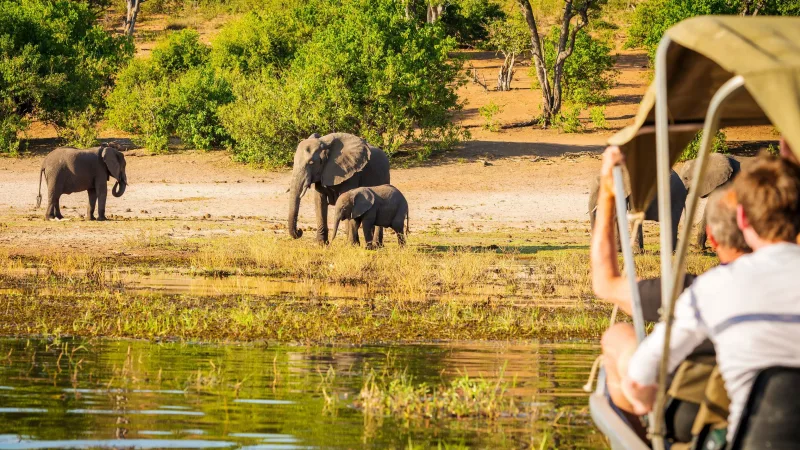
Wildlife is one of the province’s greatest strengths. Humpback whales, Atlantic puffins, moose, and seabirds are seen throughout the warmer months, with Witless Bay Ecological Reserve and the puffin viewing village of Elliston among the best places to see them up close, while spring brings the famous Iceberg Alley as ancient ice drifts south from Greenland. Seafood remains central to local cuisine, with cod, crab, mussels, and lobster appearing on menus alongside warm Newfoundland hospitality.
Key Destinations
Gros Morne National Park is the province’s standout destination with the ancient exposed mantle rock of the Tablelands, evidence of plate tectonics found almost nowhere else on the planet. Fjords, coastal mountains, and this distinctive landscape create scenery unlike anywhere else in Canada. Guided boat trips through Western Brook Pond, scenic walks, and quiet coastal communities make it ideal for travellers who enjoy nature without sacrificing comfort.
The Avalon Peninsula combines history with easy coastal exploration. St. John’s provides excellent restaurants, boutique accommodation, and cultural attractions, while nearby Cape Spear, Bay Bulls, and Witless Bay Ecological Reserve, one of the largest Atlantic puffin colonies in North America, offer whale watching, puffin colonies, and dramatic Atlantic viewpoints. Bonavista and Trinity reward slower travel with heritage architecture, working harbours, and some of the best opportunities to see icebergs during late spring and early summer.
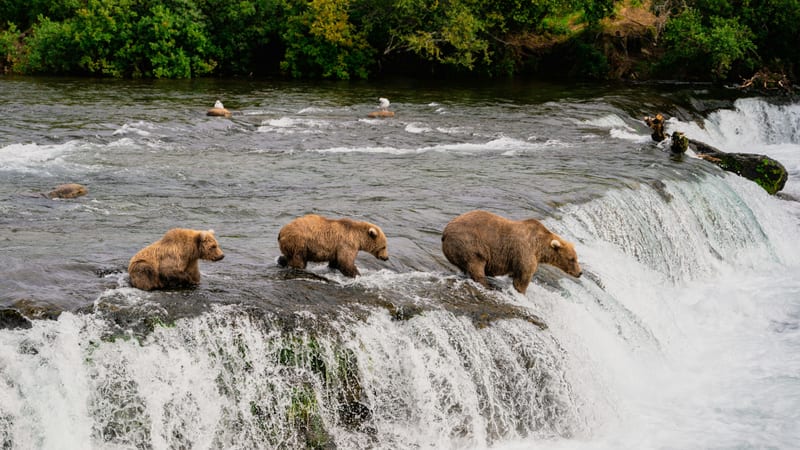
Labrador and the Viking Trail reward travellers who want to go further off the beaten path. At L’Anse aux Meadows, on the Great Northern Peninsula, visitors can walk among the reconstructed sod buildings of the only confirmed Viking settlement in North America, dating back roughly 1,000 years. Further north, Torngat Mountains National Park is co-managed with the local Inuit community and accessible only by air or boat, offering guided treks through some of the most remote wilderness in the country, with genuine chances to see polar bears, caribou, and black bears.
Best Time to Visit
Late May through September offers the best conditions for wildlife viewing, coastal drives, hiking, and boat excursions. Icebergs are most commonly seen from May into June, while July and August bring the warmest weather and peak whale watching, along with the best chances to see puffins before they head back out to sea in August. Autumn offers quieter roads, colourful landscapes, and comfortable temperatures before winter weather begins to affect travel in more remote areas.

I know Canada well. Let me plan your tailor-made trip.
Canada Trip Inspiration
Best places to stay in Canada
Top places to visit in Canada


Types of Canada holidays


Speak to a Canada expert today
and start planning your tailor-made holiday

Sophie
Canada Expert