


















A small mountain town set beside one of Canada’s most recognisable glacial lakes
Lake Louise is defined by turquoise water, steep peaks and quick access to some of Banff National Park's most rewarding trails. It's a compact base where nature feels close from the moment you arrive.
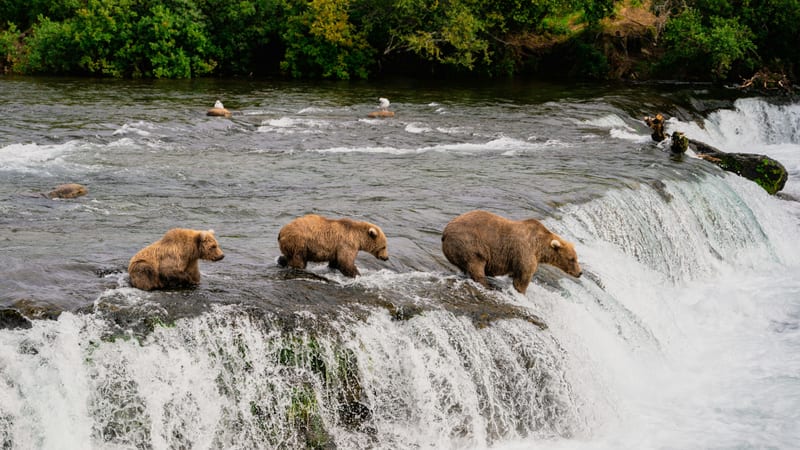
Lake Louise sits in a narrow valley within Banff National Park, part of the Canadian Rocky Mountain Parks UNESCO World Heritage Site, where spruce forest climbs sharply towards hanging glaciers and long ridgelines. The lake itself is the focal point, its colour shifting from deep teal to bright turquoise as the day goes on, with Mount Victoria forming a sheer backdrop at the far end. Walk the shoreline path early, before the tour buses arrive, and the valley feels like it belongs to you alone, moving from open lake views into quiet pockets of forest that are also home to elk, black bears and, at higher elevations, grizzly bears.
The Fairmont Chateau Lake Louise sits directly on the water's edge, and its position shapes the whole stay: step outside and the lake is right there, with trails beginning a few minutes from the door. Down in the village, lodges and cafes cluster around the junction, and Baker Creek Mountain Resort offers a quieter base along the Bow Valley Parkway, surrounded by forest and close to smaller trailheads.
Moraine Lake sits in a separate valley. Only guests staying at Moraine Lake Lodge can drive in, which keeps the area calm and the viewpoint above the rockpile free from heavy traffic. The deep blue water and the steep walls of the Valley of the Ten Peaks make it one of the most dramatic spots in the Rockies, the kind of view that ends up as the desktop wallpaper long after the trip is over.
Things to do in Lake Louise
Walk the lakeshore first, then follow the trail up to Lake Agnes, where the climb through forest and rock steps opens onto a small alpine lake and the historic Lake Agnes Tea House, reachable only on foot. The Plain of Six Glaciers route pushes further still, giving a closer look at crevasses and hanging ice, with a second teahouse offering a good reason to pause partway up. Canoeing works best early in the day, when the water is still and the lake hasn't yet filled with day trippers. In winter, Lake Louise Ski Resort offers long, open runs and quieter slopes than its Banff neighbours, with snowshoe trails threading through deep forest where elk tracks are a common sight in fresh snow.
Day Trips from Lake Louise
Moraine Lake is the closest major trip. Yoho National Park lies just over the provincial border in British Columbia, home to Emerald Lake and the thundering Takakkaw Falls. The Icefields Parkway, rated among the most scenic drives in the world, begins here too, leading north past Bow Lake, Peyto Lake and the Columbia Icefield, with bighorn sheep and mountain goats a common sight along the roadside and grizzly bears occasionally spotted grazing on avalanche slopes in early summer.
Best Time to Visit Lake Louise
Summer, from June to August, brings clear trails and the lake at its brightest turquoise, the classic postcard version of Lake Louise. Autumn, in September, is cooler and quieter, with golden larch trees lighting up the higher routes around Lake Agnes and Paradise Valley. Winter, from December to March, is cold, snowy and made for skiing, with Lake Louise Ski Resort at its best and the frozen lake itself transformed into a skating rink and, in January, the venue for the Lake Louise Ice Magic Festival's ice carving competition. Spring arrives gradually from April, as melting ice slowly reopens the lower trails while the crowds are still thin.

I know Canada well. Let me plan your tailor-made trip.
Lake Louise Trip Inspiration
Best places to stay in Lake Louise
Top places to visit in Canada


Types of Canada holidays


Speak to a Canada expert today
and start planning your tailor-made holiday

Sophie
Canada Expert