




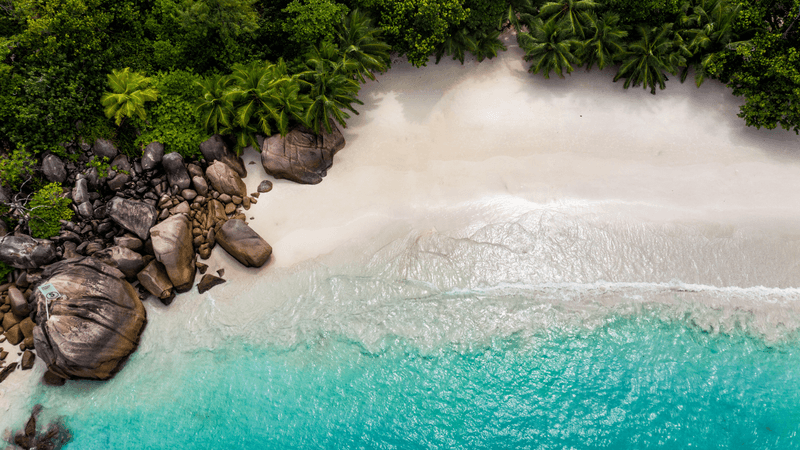










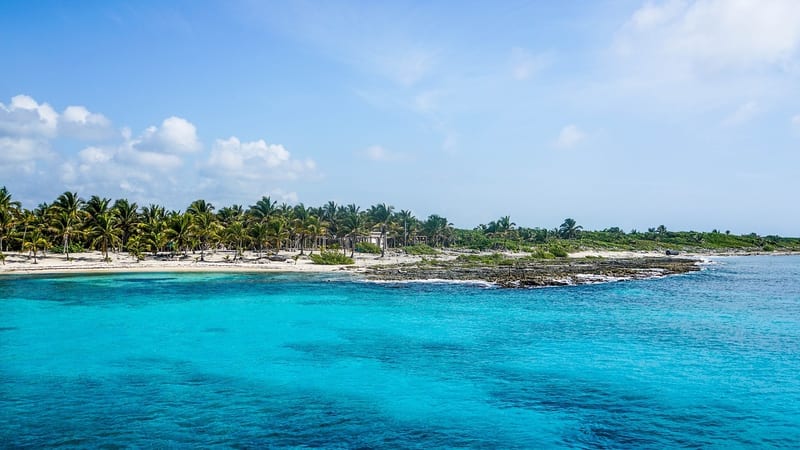




Hidden amongst coconut palms on the tranquil island of Koh Yao Yai, this charming beachfront retreat offers a slower, more authentic experience of southern Thailand.
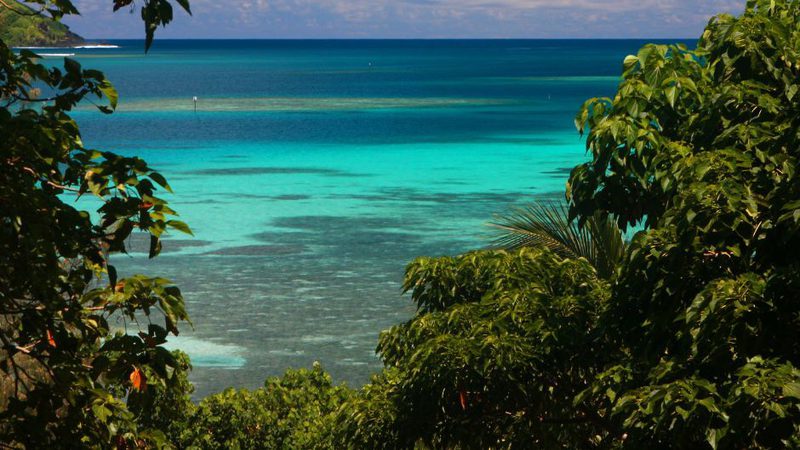
Location: Set on the peaceful eastern coast of Koh Yao Yai, the resort overlooks the emerald waters of Phang Nga Bay, with spectacular views of the region's iconic limestone islands. Accessible by speedboat from both Phuket and Krabi, Koh Yao Yai Village feels uniquely removed from Thailand's busier beach destinations. Surrounded by rainforest, quiet beaches and traditional fishing villages, it offers a genuine island escape where nature and local culture take centre stage.
Rooms: The resort's 67 spacious villas and suites are thoughtfully designed to blend into their tropical surroundings. Built using natural materials and inspired by traditional southern Thai architecture, each features generous indoor and outdoor living spaces, open-air bathrooms and private terraces. Larger villas with private pools provide an extra level of privacy, making them ideal for honeymooners and couples seeking a more exclusive experience.
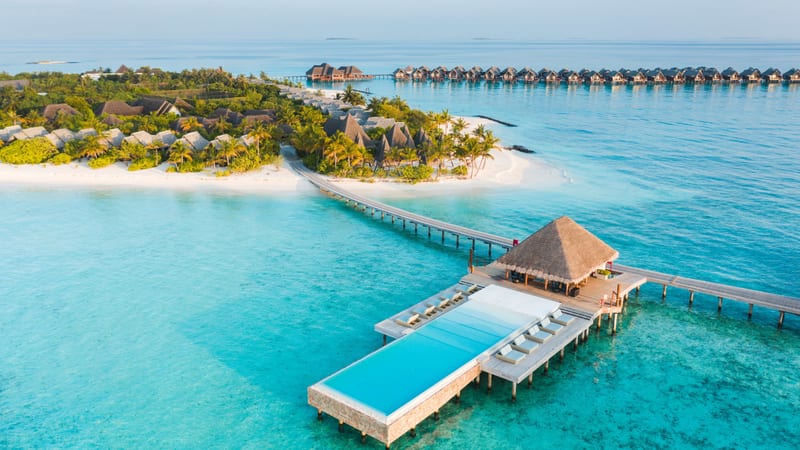
Amenities: At the heart of the resort is one of the largest infinity pools in southern Thailand, stretching towards the beach and overlooking Phang Nga Bay. Guests can also enjoy the Ayurvana Spa, beachfront dining showcasing fresh local seafood and authentic Thai cuisine, a fitness centre and a range of watersports. The relaxed atmosphere and attentive service encourage guests to slow down and embrace island life.
Activities: Koh Yao Yai is perfect for travellers looking to experience Thailand beyond the usual tourist trail. Guests can kayak through mangrove forests, explore nearby islands by longtail boat, snorkel in the clear waters of Phang Nga Bay or cycle through quiet villages and rubber plantations. The resort can also arrange visits to local communities, fishing trips and excursions to the famous limestone cliffs of nearby Hong Island and James Bond Island.
Sustainability: Designed to work in harmony with its natural surroundings, Koh Yao Yai Village preserves much of the island's existing vegetation and supports local communities through employment, locally sourced produce and authentic cultural experiences. Its low-rise design and commitment to protecting the surrounding environment help maintain the island's unspoilt character.

Thailand is one of my favourite destinations - call me to start planning your dream Bangkok holiday
Best places to stay in Thailand
Thailand Trip Inspiration
When to visit Thailand
Find out the best time to visit Thailand with our month by month guide.
- Best
- Good
- Mixed
- Jan
- Feb
- Mar
- Apr
- May
- Jun
- Jul
- Aug
- Sep
- Oct
- Nov
- Dec
January
January is one of the best months to visit Thailand, with dry, sunny days and cooler temperatures across most of the country. It's an ideal time for beach holidays in Phuket, Krabi, and Koh Lanta, where the sea is calm and crystal clear. In the north, Chiang Mai and Chiang Rai offer crisp mornings and pleasant days, perfect for exploring temples and mountain landscapes. It’s also peak tourist season, so book in advance for popular spots.
February
February continues the dry season with reliably sunny weather and temperatures starting to climb. Beach conditions are still fantastic, especially on the Andaman coast. It’s also a great month for visiting Bangkok and central Thailand, where humidity remains relatively low. Festivals like Chiang Mai’s Flower Festival add extra colour to the month, and hiking in the north is still very comfortable.
March
March marks the start of the hot season, with rising temperatures across the country. It’s a good time for beachgoers who don’t mind the heat, particularly in places like Koh Phi Phi and Koh Lipe. Inland cities like Bangkok and Ayutthaya can feel sweltering in the afternoons, so plan sightseeing for early mornings. The north becomes drier and dustier, especially with the onset of the agricultural burning season.
April
April is the hottest month in Thailand, but it’s also one of the most fun thanks to Songkran, the Thai New Year. Celebrated with country-wide water fights, it's a joyful (and cooling) experience. While temperatures can reach well into the 30s°C, beach destinations on either coast offer some respite. Make sure to stay hydrated and take things slow, especially in cities.
May
May marks the beginning of the rainy season in most regions, although downpours tend to be short and sharp rather than constant. The humidity ramps up, particularly in central and northern Thailand. It’s a quieter time to travel, with fewer crowds and lush, green landscapes emerging. The Gulf islands—like Koh Samui, Koh Tao, and Koh Phangan—tend to see better weather than the Andaman coast.
June
June sees more regular rainfall, but it rarely disrupts travel plans too much. The countryside is vibrant, and waterfalls are at their best. While western beaches like Phuket may see more rain, the Gulf coast remains relatively dry, making it a great time for snorkelling and diving around Koh Tao. Expect lower prices and a more relaxed vibe almost everywhere.
July
July brings heavier rains to the north and Andaman coast, but travel is still very possible with a bit of flexibility. Rice paddies turn brilliant green, and misty mountains in the north offer atmospheric views. On the Gulf coast, beach days are still common. Cultural travellers may enjoy this quieter period for exploring temples, museums, and food tours.
August
August is in the heart of the monsoon season, but showers are usually short-lived and followed by sunshine. It’s a great time for nature lovers, as the landscape is lush and full of life. Inland travel can be trickier with occasional flooding, so coastal stays in Koh Samui or Koh Phangan are often the better bet. Festivals and markets continue to run, albeit with fewer tourists around.
September
September is typically the wettest month of the year, particularly in the north and on the Andaman coast. While it’s not the best time for sunbathing, it’s a brilliant opportunity to enjoy Thailand’s cultural side at a slower pace. Think cooking classes, spa days, and temple tours. Prices are at their lowest, and you'll often have attractions almost to yourself.
October
October marks the transition from rainy season to dry season, particularly towards the end of the month. While early October can still be wet, especially in the north, the skies begin to clear by mid-month. It’s a great time to visit Bangkok and central Thailand before the high season crowds arrive. Northern provinces like Chiang Mai begin their cooler season, making trekking and outdoor adventures more comfortable.
November
November is when Thailand really shines. The weather turns reliably dry and sunny across most of the country, especially the Andaman coast. Popular islands like Phuket, Krabi, and Koh Lanta come back to life. In the north, the cooler temperatures are ideal for hiking and exploring rural landscapes. Festivals like Loy Krathong add a magical touch with lantern-lit celebrations in Chiang Mai and Sukhothai.
December
December is peak travel season, thanks to the beautiful weather, festive atmosphere, and Christmas holidays. Beach resorts on both coasts are bustling, so early booking is essential. It’s also a great time to explore Bangkok’s markets and rooftop bars, or take to the hills of northern Thailand for trekking and nature. With low humidity and bright skies, it’s one of the best times to experience the country in full swing.
Speak to a Thailand expert today
and start planning your tailor-made holiday

Sophie
Thailand Expert