






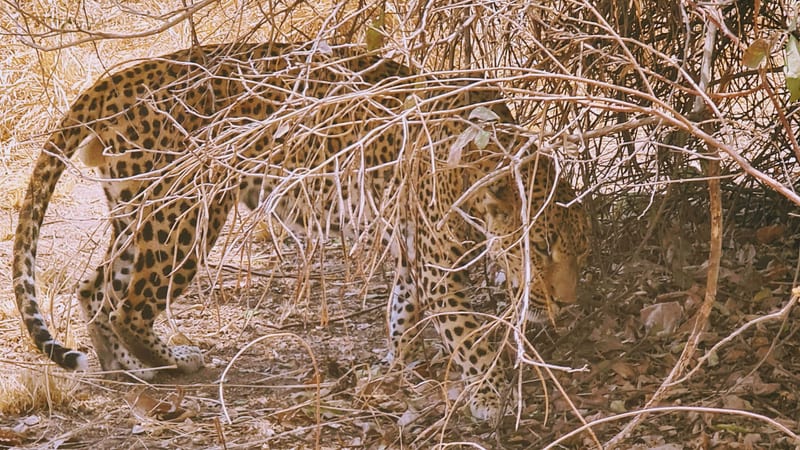


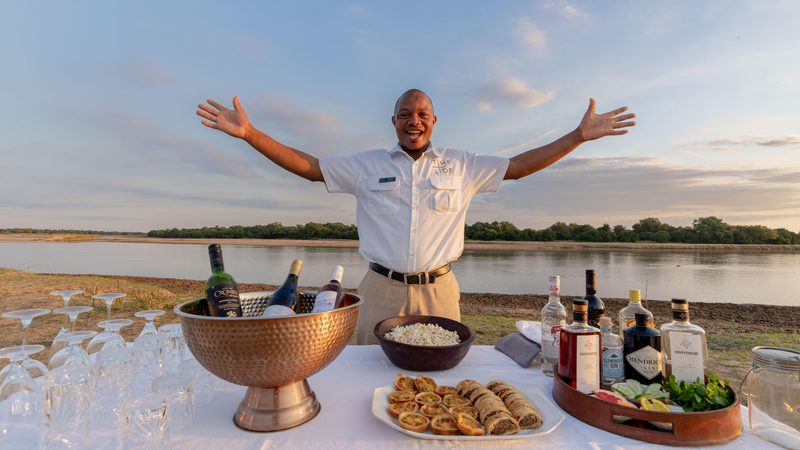



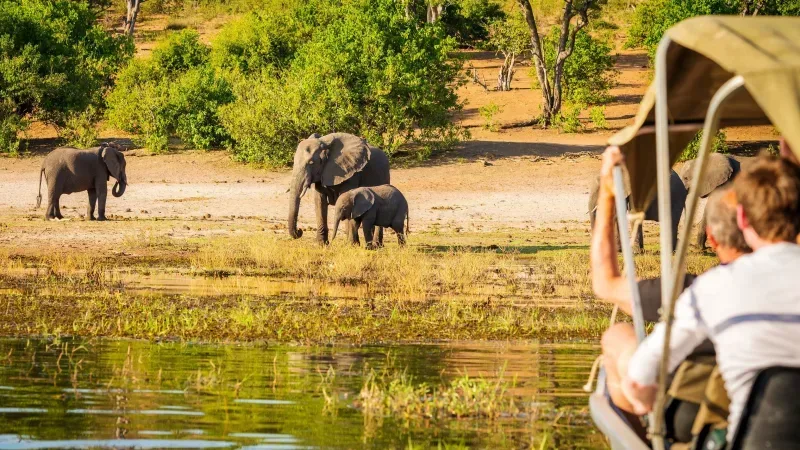



A small four-star safari lodge in Namibia’s private Kambaku Wildlife Reserve, with daily wildlife activities, horse riding, spa treatments and family-friendly comfort.
Location: Kambaku Safari Lodge sits in the private Kambaku Wildlife Reserve near Otjiwarongo, at the foot of the Waterberg Plateau and around two hours’ drive from Etosha National Park. The lodge is reached from gravel road between Otjiwarongo and Otavi, with transfers available from Windhoek’s Hosea Kutako International Airport.
Rooms: The lodge has 10 individually styled rooms, including double, family and luxury rooms. Accommodation is designed for comfort in the bush, with mosquito-protected beds, natural stone bathrooms, garden access and a relaxed safari-lodge feel. Families are well catered for, while luxury rooms add more privacy and space.
Amenities: Facilities include a swimming pool, garden, hammocks, sun loungers, an illuminated waterhole, full-board-plus dining, bush spa, yoga and meditation area, Wi-Fi in the lodge, and a warm, family-run atmosphere. The lodge is known for its three-course dinners and relaxed hospitality.
Activities: Guests can enjoy twice-daily guided wildlife experiences, game drives, guided walks, waterhole viewing, mountain biking, hiking trails and horseback safaris. Kambaku is especially strong for riding safaris, with around 30 horses and options for beginners through to experienced riders.
Sustainability: Kambaku places a strong focus on protecting the ecological balance of its private reserve through sustainable wildlife management, daily reserve patrols, monitoring of animal populations, waterhole maintenance and biodiversity protection. The reserve covers around 8,000 hectares of Namibian bush savannah.
Let me help you create your perfect Botswana holiday.
Best places to stay in Namibia
Namibia Central Highlands Trip Inspiration
When to visit Namibia
Find out the best time to visit Namibia with our month by month guide.
- Best
- Good
- Mixed
- Jan
- Feb
- Mar
- Apr
- May
- Jun
- Jul
- Aug
- Sep
- Oct
- Nov
- Dec
January
Bring your umbrella, it's rainy season. January is mid-summer in Namibia with the possibility of torrential downpours mid afternoon, but with temperatures of 30-35 degrees it tends to be hot and humid.
February
Similar to January, it is hot and humid with the chance of a downpour in the afternoon.
March
In March, rainfall starts to decrease and temperatures lower with nights becoming increasingly cool. Although daytime temperatures remain hot reaching up to 30 degrees.
April
April is predominantly dry and hot, although there can be a couple of sporadic rainy days across the month.
May
Winter is coming. May has little or no rainfall and the humidity is low, in northern regions around Etosha you'll find fresher, greener landscapes with wildlife gathering around depleting watering holes.
- If you're looking to tackle the Fish River Canyon Hike this is the best time to visit Namibia.
June
In June the nights are cold and temperatures can drop below 10 degrees, whilst in the Namib desert it can reach below freezing. There is no chance of rain as the dry season is in full flow.
July
Visitors in July will experience one of Namibia's coldest months, be sure to pack warm clothing as game drives can be chilly.
August
Like July, visitors in August will experience one of Namibia's coldest months, be sure to pack warm clothing as game drives can be chilly and night time temperatures can drop below freezing both at the coast and inland.
September
Considered the best month to travel to Namibia, September is temperate with clear dry skies and low humidity levels.
October
In October game viewing is at its best, the vegetation is fading with temperatures rising up to 29 degrees.
November
Heat continues to rise, with humidity levels remaining low, however there is a chance of rain in the afternoons.
December
December brings the first rains of the season, bringing everything to life as animals start to disperse as more water becomes available.
Speak to a Namibia expert today
and start planning your tailor-made holiday

Alistair
Ruth