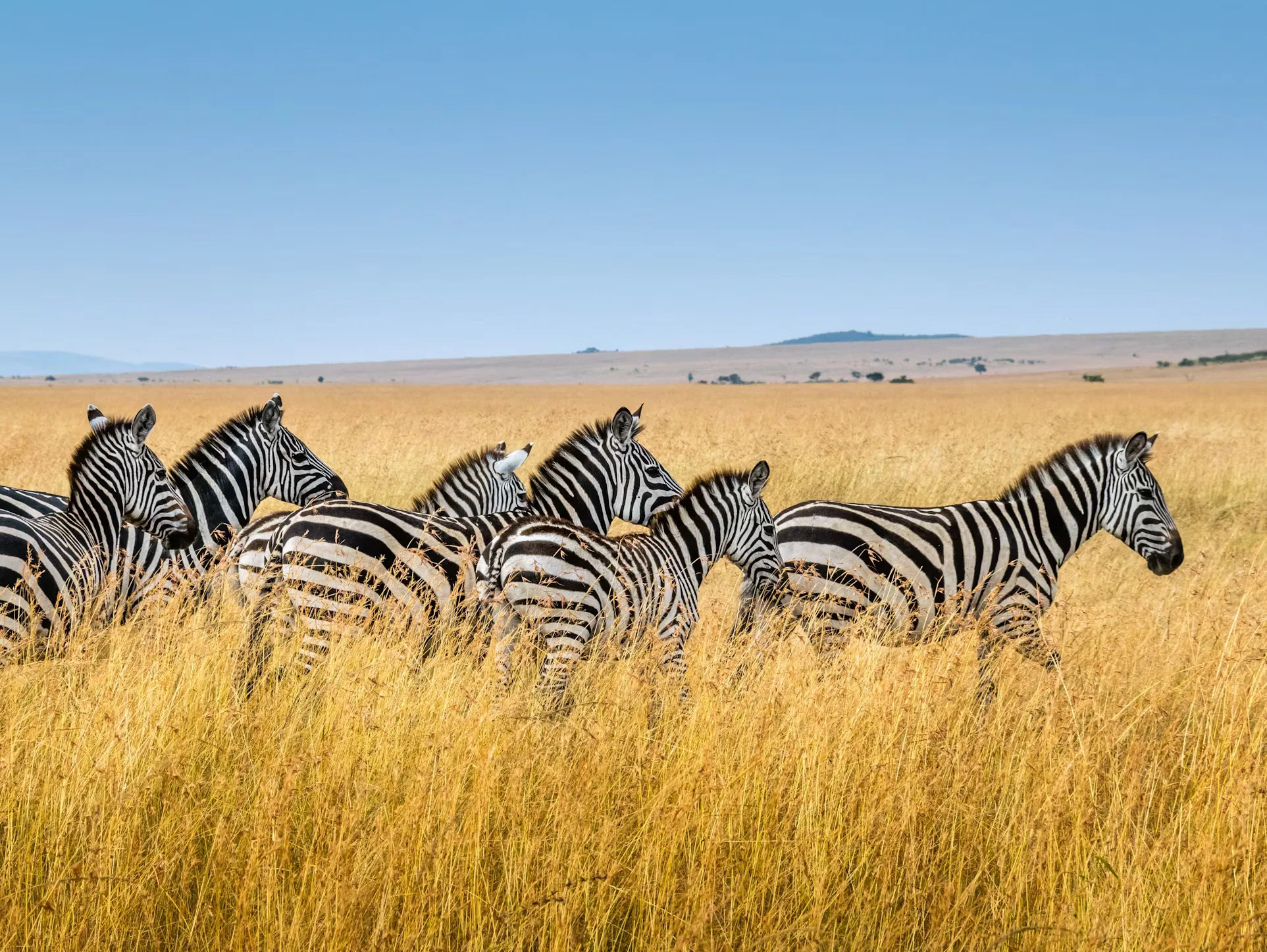
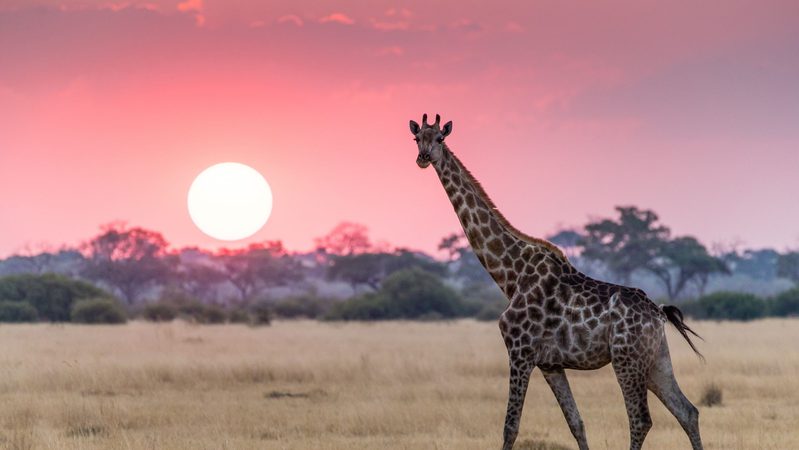







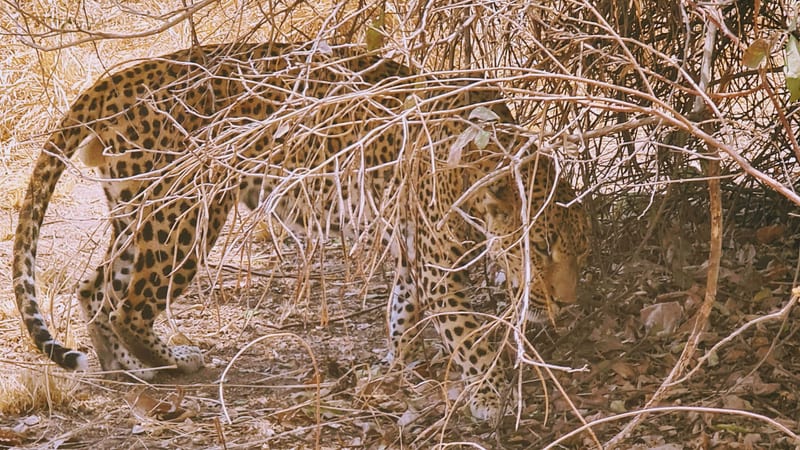







Jozibanini offers unique safari experiences such as mountain bike exploration, wildlife viewing from an underground hide and sleeping under the stars.
Location
Set in the south west of Zimbabwe’s Hwange National Park, Jozibanini Camp is situated in a semi-desert environment, not unlike the Kalahari. The area has been virtually untouched by human activity for nearly twenty years, and as such, provides a genuine, untamed wilderness experience for guests. The camp is quite remote and accessed by a six hour long road transfer, with frequent stops in order to resupply waterholes on the journey. Jozibanini is a seasonal camp and is closed between 1st January – 15th April and 1st November – 28th February.
Rooms
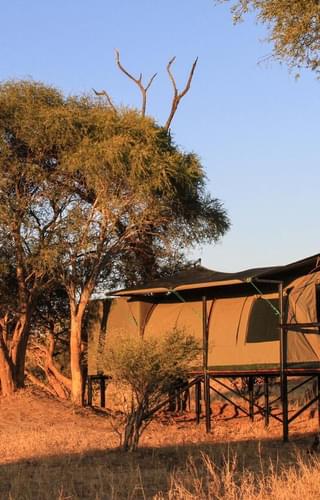
Accommodation is deliberately simple and intimate, with five raised safari tents and one ground-level tent set on wooden platforms overlooking the waterhole. Each tent has an en-suite open-air bathroom with a bucket shower and flush loo, and beds that can be wheeled out onto the verandah for a genuine “star bed” experience, letting you fall asleep under the African night sky. With a maximum of ten guests, this is wilderness in its purest form.
Facilities
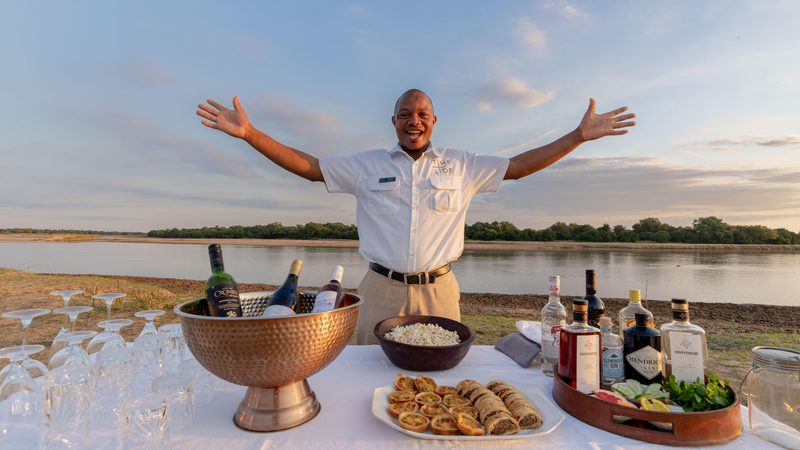
There’s no formal electricity grid at Jozibanini, and mobile phone reception is absent, perfect for a digital detox. Solar lighting and simple comforts are provided, and meals are served al fresco around the campfire in the open-air dining area, creating an authentic bush atmosphere. A dedicated game viewing hide just metres from camp offers a unique vantage point for quiet wildlife observation, with photographic opportunities right at the water’s edge.
Activities
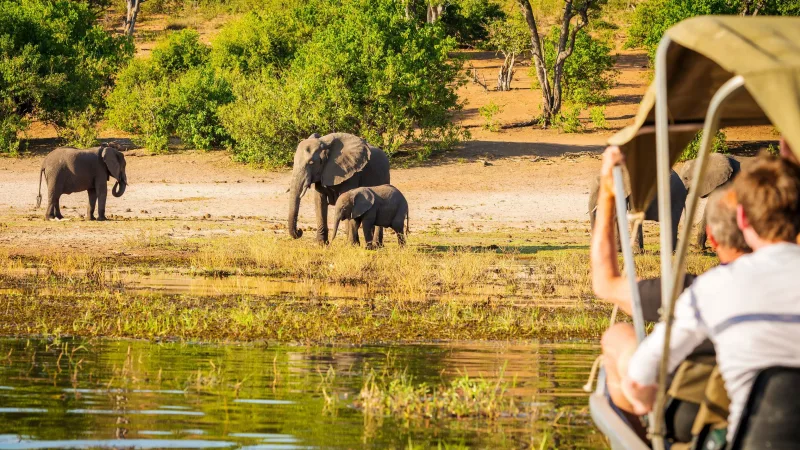
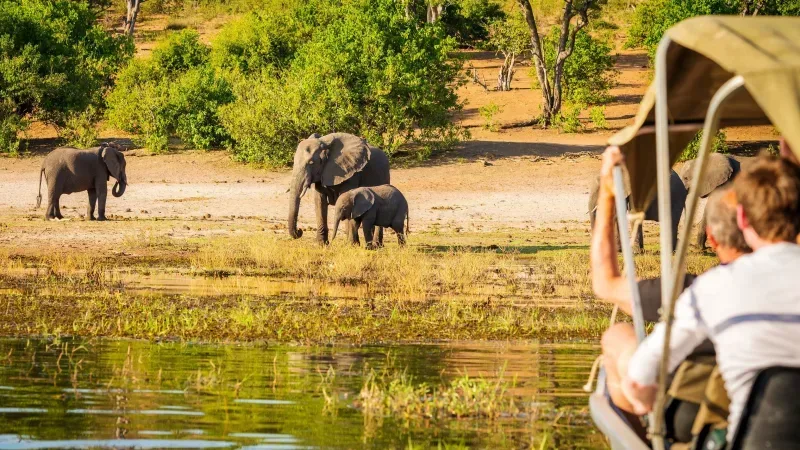
Safari experiences here focus on connection with the land and its wildlife. Traditional game drives and guided walks allow you to explore ancient fossil dunes and track animals on foot, while mountain biking offers a more active way to traverse wildlife paths. The camp’s look-up blind provides close-up wildlife viewing, and the seasonal “pump run” transfer, with stops at waterholes to resupply and maintain them, is a unique, behind-the-scenes insight into the work that sustains Hwange’s wildlife. Elephant sightings, especially in the dry season, are prolific.
Sustainability
Jozibanini and the wider Imvelo network work hand in glove with conservation and community support programmes in and around Hwange National Park, with tourism revenue helping fund vital services such as healthcare, education and access to clean water for local villages. By engaging local communities as custodians and partners in conservation, every guest stay helps underpin long-term protection of wildlife and ecosystems.
Let me help you create your perfect bespoke holiday
Best places to stay in Hwange National Park
Zimbabwe Trip Inspiration
When to visit Zimbabwe
Find out the best time to visit Zimbabwe with our month by month guide.
- Best
- Good
- Mixed
- Jan
- Feb
- Mar
- Apr
- May
- Jun
- Jul
- Aug
- Sep
- Oct
- Nov
- Dec
January
January is an excellent time to head out with expert guides and view resident and migratory bird species. The days are warm, with the risk of rain, this clears very fast as it arrives.
February
February is the best time for birders. The days are warm, with the risk of afternoon rain showers, but they clear as fast as they arrive.
March
If you want to witness Vic Falls at its fullest, March is the month to visit, with huge volumes of spray, it is perfect if you want to see the gorges and geology of the area.
April
The world famous Mana Pools re-open in April. The days feel fresher as the wet season ends leaving the landscapes looking lush green, making it perfect for walking safaris.
May
In May, the days continue to feel fresh and bright making it a perfect time to venture out on walking safaris.
June
June heralds the return of winter, nights turn colder and the temperature dips - take plenty of layers as the temperature can drop below freezing. It is the perfect time for photographers to explore Hwange National Park before the busy holiday period.
July
Winter temperatures continue into July so take plenty of layers. Much like June, it is perfect for photographers looking to view wildlife from a different angle.
August
If you want clear, bright blue skies and continuous wildlife sightings, August is the month for you. Camps are likely to be fuller, however, if you visit private concessions you can still experience exclusivity and no crowds.
September
Much like August, September is an amazing time for wildlife spotting and weather, in particular it is considered the best time of year to see elephant herds in Hwange National Park.
October
In October wildlife sightings are at their peak as the dry season ends. If you travel during this month you can experience hot days with temperatures soaring up to 40 degrees.
November
November is the best time to head out with expert guides and view resident and migratory bird species. The days are warm, with the risk of rain, this clears very fast as it arrives. It is low season and one of the best times to go white water rafting at Vic Falls, the volume and speed of the water is reduced exposing the rapids.
December
In December the days are warm with the risk of rain showers mid afternoon. The rivers rise and dependant on water levels travellers can visit 'devils pool' at Vic Falls, providing high excitement and a head for heights needed if you want to get close to the drop off.
Speak to a Zimbabwe expert today
and start planning your tailor-made vacation

Alistair