



















Wild Landscapes and Extraordinary Wilderness
Vast forests, glacier-fed lakes, rugged coastlines and wildlife that roams freely. Canadian holidays are ideal for nature lovers.
Canada is one of those rare destinations where every day can feel completely different. One morning you might be driving through the Rockies, stopping whenever a glacier-fed lake or mountain vista demands a photograph. The next could be spent scanning the shoreline for black bears, watching humpback whales surface off Vancouver Island or paddling across a mirror-calm lake before returning to a remote wilderness lodge. In winter, the mountains become one of North America's great ski destinations, while further north there is the opportunity to witness polar bears or the Northern Lights in the right season.
Few countries combine spectacular road trips, iconic rail journeys, incredible wildlife, welcoming cities, world-class skiing and immense wilderness quite like Canada. Whether you want to stay in luxury lodges, travel by rail through the Rockies, explore quiet coastal communities or spend your days immersed in nature, Canada offers the freedom to shape a holiday entirely around the experiences that matter most to you.
From the Pacific coast to the Atlantic provinces and up into the sub-Arctic, the landscapes constantly change. Fjord-like inlets give way to prairies, high mountain passes, ancient forests and remote fishing villages. It is a country that rewards unhurried travel, where the journey itself often becomes one of the most memorable parts of the experience.
Key Regions and Experiences Across Canada
Travelling through Canada is less about ticking off landmarks and more about experiencing the extraordinary variety each region offers. One itinerary can combine vibrant cities, unforgettable wildlife encounters, scenic drives and time in true wilderness, creating a holiday that feels constantly rewarding.
Vancouver is often the perfect place to begin. Surrounded by mountains and the Pacific Ocean, it balances outdoor adventure with excellent food, neighbourhood culture and easy access to nature. Spend the morning cycling through Stanley Park, enjoy the city's thriving restaurant scene in the evening, then head north the following day towards some of Canada's most spectacular landscapes.
The Sea to Sky Highway is one of the country's great road journeys. As you travel towards Whistler and the interior, dramatic coastal scenery gradually gives way to mountain valleys, alpine lakes and quieter wilderness areas. Along the way there are opportunities for hiking, canoeing and staying in lodges where nature takes centre stage.
The journey into the Canadian Rockies, whether by self-drive or aboard the iconic Rocky Mountaineer, is one of the highlights of any Canada holiday. Driving through Jasper National Park, you may spot elk, bighorn sheep or even bears while exploring wide valleys, waterfalls and mountain trails. Further south, the Icefields Parkway delivers one breathtaking view after another, with glaciers, turquoise lakes and dramatic peaks accompanying every mile.
Banff and Lake Louise are famous for good reason. Canoe across emerald lakes, take a gondola high into the mountains, walk scenic trails straight from your hotel or simply sit back and absorb the views. The Rockies work equally well for active travellers looking to hike and explore, and for those who prefer a slower pace with spectacular scenery never far away.
Vancouver Island offers a completely different experience. Here, ancient rainforest meets rugged Pacific coastline and wildlife often becomes the focus of the journey. Depending on the season, you could head out in search of humpback whales and orcas, watch black bears forage along the shoreline or simply enjoy the atmosphere of remote coastal lodges where the natural world feels wonderfully close.
On the Atlantic coast, the pace slows again. Nova Scotia's lighthouse-lined roads, colourful fishing villages and fresh seafood create the kind of journey that encourages you to linger a little longer. Explore the UNESCO-listed town of Lunenburg, drive quiet coastal routes or spend evenings watching the sun set over the ocean. Pair it with New Brunswick's dramatic Bay of Fundy tides or Prince Edward Island's gentle landscapes and you have a relaxed, characterful side of Canada that feels entirely different from the west.
Further north, Churchill offers one of the world's most remarkable wildlife experiences. In autumn, polar bears gather along the shores of Hudson Bay as sea ice begins to form, while summer brings thousands of beluga whales into the surrounding waterways. For many travellers, it is a true bucket-list experience and an unforgettable addition to a wider Canada itinerary.
Wherever you travel, Canada rewards curiosity. It is a destination where the memories often come from the moments you didn't plan: spotting a moose beside a quiet road, seeing your first glacier up close, hearing whales exhale in the distance or watching the stars appear above a wilderness lodge far from city lights. Those experiences are what make Canada such an extraordinary place to explore.

I know Canada well. Let me plan your tailor-made trip.

Canada Adventure with Teens
- Vancouver
- Sunshine Coast
- Campbell River
- Whistler
- Wells Gray
- Jasper
- Banff
- Calgary
A two‑week journey linking Vancouver’s coastline, the Sunshine Coast inlets and the high mountain parks of Alberta, with days built around wildlife and time outdoors.
Canada Trip Inspiration
When to visit Canada
Find out the best time to visit Canada with our month by month guide.
- Best
- Good
- Mixed
- Jan
- Feb
- Mar
- Apr
- May
- Jun
- Jul
- Aug
- Sep
- Oct
- Nov
- Dec
January
January is one of the best months to experience Canada's legendary winter landscapes. The Rockies enjoy excellent snow conditions, making this a fantastic time for skiing and snowboarding in resorts such as Banff and Whistler. Across the country, frozen lakes, snow-covered forests and crisp blue skies create spectacular scenery, while the long nights also offer opportunities to see the Northern Lights in parts of northern Canada.
February
February continues to offer some of the season's best skiing, with reliable snowfall and quieter mountain landscapes between half-term periods. It's also an excellent time to experience winter activities such as snowshoeing, dog sledding and ice skating. In Québec City, the famous Winter Carnival brings the city to life with ice sculptures, parades and celebrations.
March
March is an excellent time for skiing in the Rockies, with dependable snow, longer daylight hours and comfortable mountain conditions. As spring begins to emerge on the Pacific Coast, it's also a rewarding time to explore Vancouver and Vancouver Island before the summer crowds arrive.
April
April offers a quieter side of Canada as spring arrives across much of the country. Vancouver and Victoria burst into colour with cherry blossoms, while coastal wildlife becomes increasingly active. It can also be a good-value time to travel before the peak summer season begins.
May
May is one of Canada's hidden gems. Roads through the Rockies begin reopening, waterfalls are fuelled by melting snow and hiking trails start to become accessible. Black bears emerge from hibernation in many parts of British Columbia, making this an exciting month for wildlife enthusiasts.
June
With long daylight hours and comfortably warm temperatures, June is ideal for exploring Canada's national parks. The Rockies are perfect for hiking, canoeing and wildlife spotting, while the Pacific Coast enjoys excellent whale watching, with humpback whales, orcas and grey whales regularly seen offshore.
July
July is one of Canada's most popular months to visit, and for good reason. Mountain roads are fully open, lakes shimmer in vivid turquoise, and outdoor adventures are at their best. It's also one of the finest months for spotting whales off Vancouver Island, while bears, elk and moose are regularly seen throughout the Rockies.
August
August combines warm weather with exceptional access to Canada's most spectacular landscapes. Canoe across glacier-fed lakes, walk mountain trails, enjoy wildlife cruises or simply relax in a wilderness lodge surrounded by nature. Although it's peak season, Canada's vast open spaces mean it rarely feels crowded.
September
September is one of the very best months to visit Canada. Comfortable temperatures, fewer visitors and spectacular autumn colours make it ideal for road trips through the Rockies and Eastern Canada. Wildlife is particularly active as bears prepare for winter, while hiking conditions remain excellent.
October
October transforms much of Canada into a landscape of golden forests and crisp mountain air. In British Columbia, bears are often seen feeding ahead of winter, while the Atlantic provinces are particularly beautiful as autumn colours reach their peak. Churchill also begins welcoming visitors hoping to see polar bears gathering along Hudson Bay.
November
November marks the start of one of Canada's most extraordinary wildlife spectacles. Churchill offers some of the world's best opportunities to see polar bears in their natural habitat as they wait for Hudson Bay to freeze. Elsewhere, ski resorts begin opening and the Northern Lights become increasingly visible across northern regions.
December
Canada feels wonderfully festive in December. Snow blankets the mountains, Christmas markets fill historic cities and ski resorts come alive for the winter season. It's an ideal time to combine world-class skiing with cosy mountain lodges, while northern regions continue to offer excellent opportunities to see the Aurora Borealis.

Our Canada specialist, Sophie, says:
"What I love about planning Canada holidays is how personal they can be. Some people dream of seeing polar bears or whales, others want to drive through the Rockies, stay in beautiful wilderness lodges or simply spend time surrounded by spectacular scenery. No two itineraries are ever the same, and that's what makes Canada such an exciting destination to plan. The best holidays are those built around the experiences that matter most to you."
Types of Canada vacations


Where to go in Canada


Best places to stay in Canada
FAQs About Your Canada Holiday
Planning a holiday to Canada? Our experts share advice on everything from what to pack, when to go, to tips for families, covering the questions we get asked the most.
Why book a Canada holiday with Far and Wild Travel?
Canada is one of the world's great adventure destinations, but planning the perfect itinerary isn't always straightforward. Distances are vast, wildlife experiences are seasonal and the best routes often depend on when you're travelling and what you'd most like to experience.
At Far and Wild Travel, we create tailor-made holidays built around your interests, whether that's driving through the Rockies, spotting polar bears in Churchill, whale watching off Vancouver Island or discovering the quieter coastlines of Atlantic Canada. We work closely with trusted local partners and carefully selected accommodation to ensure every itinerary flows naturally, balances travel time and gives you the very best experience of each region.
From your first enquiry to your return home, you'll have expert advice, personalised recommendations and 24-hour support while you're travelling, giving you complete confidence throughout your holiday.
How does Far and Wild Travel plan itineraries in Canada?
Every Canada holiday begins with understanding what you want from your trip. You may dream of seeing polar bears, driving the Icefields Parkway, staying in a remote wilderness lodge or experiencing world-class skiing in Whistler. Others prefer combining vibrant cities with scenic rail journeys or exploring the quieter provinces of Eastern Canada.
We carefully design your itinerary around your priorities, while taking into account driving distances, seasonal wildlife, weather conditions and the pace of travel. Rather than rushing between destinations, we create routes that allow you to fully experience each place, whether that's spending several days in the Rockies, exploring Vancouver Island or slowing down along Nova Scotia's spectacular coastline.
Our aim is simple: to create a seamless journey that allows you to experience the very best of Canada at exactly the right time of year.
How does Far and Wild Travel choose accommodation in Canada?
Canada offers everything from luxury wilderness lodges and boutique city hotels to lakeside cabins, mountain resorts and charming coastal inns. We carefully select accommodation that enhances your holiday, not simply somewhere to spend the night.
Location is always a priority. In the Rockies, we look for properties that provide easy access to hiking trails, scenic viewpoints and wildlife experiences. On the Pacific Coast, we favour lodges that offer excellent opportunities for whale watching, bear viewing and exploring the surrounding wilderness, while in Atlantic Canada we seek out characterful properties that reflect the region's rich maritime heritage.
Sustainability is also an important consideration. Through CarbonScored, we assess environmental impact, conservation efforts and community involvement, helping us recommend accommodation that supports responsible travel wherever possible.
What are the best places to visit in Canada?
The best places to visit depend entirely on the experiences you're looking for.
If seeing polar bears is your dream, Churchill is one of the world's finest wildlife destinations. For spectacular mountain scenery and unforgettable self-drive holidays, Banff, Jasper and Lake Louise are hard to beat. Vancouver Island is perfect for whale watching, black bears and rugged Pacific coastline, while Whistler offers exceptional skiing in winter and outstanding hiking during the warmer months.
If you prefer quieter coastal journeys, Nova Scotia and Prince Edward Island combine beautiful scenery with charming fishing villages, fresh seafood and relaxed road trips. Whatever your interests, our Canada specialists will recommend the regions that best match the holiday you're hoping to experience.
When is the best time to visit Canada?
Canada is a fantastic destination throughout the year, with each season offering something different.
Summer is ideal for hiking, canoeing, scenic drives and exploring the national parks. Autumn brings spectacular fall colours, active wildlife and quieter roads, making it one of the best times for self-drive holidays. Winter transforms the Rockies into a world-class ski destination, while Churchill becomes one of the best places on Earth to see polar bears. Spring offers excellent value, emerging wildlife and fewer visitors across many regions.
The best time to visit depends entirely on what you'd most like to experience, and we'll help you choose the perfect season for your trip.
Is Canada good for wildlife holidays?
Absolutely. Canada is one of the world's best destinations for wildlife enthusiasts, with opportunities to see an extraordinary range of animals in their natural habitats.
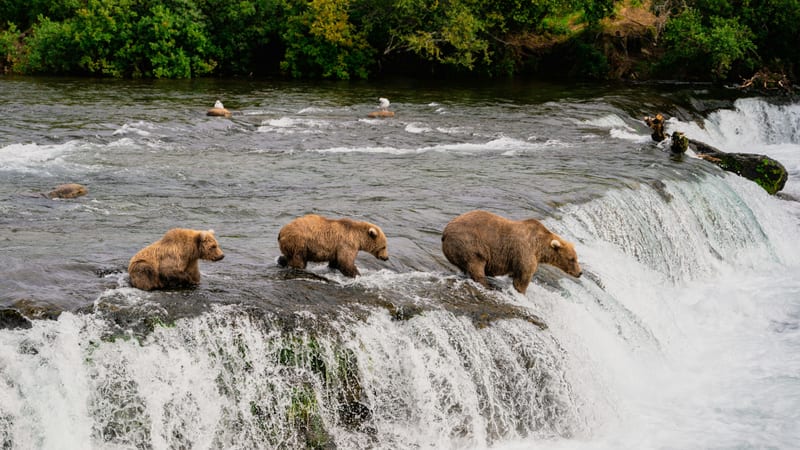
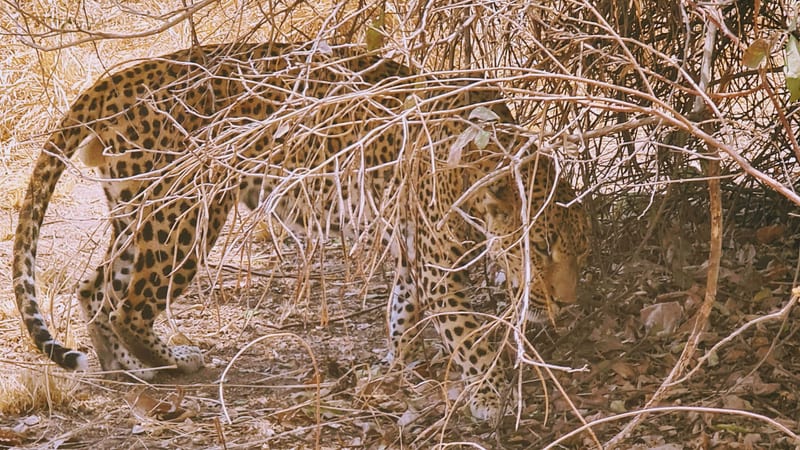
Depending on where and when you travel, you could encounter black bears and grizzly bears in British Columbia, humpback whales and orcas off Vancouver Island, elk and moose in the Rockies, beluga whales in Manitoba or polar bears around Churchill.
Wildlife sightings are highly seasonal, so timing your holiday correctly makes all the difference. Speak to one of our Canada specialists and we'll help you plan your itinerary around the wildlife you'd most like to see.
How long should I spend in Canada?
Most travellers spend between 10 and 18 days exploring Canada, although the ideal duration depends on the regions you'd like to visit.
A shorter holiday works well if you're focusing on one area, such as British Columbia or the Canadian Rockies, while longer itineraries allow you to combine multiple regions without feeling rushed. Because Canada is such a vast country, allowing enough time between destinations creates a far more enjoyable and rewarding experience.
How do I get to Canada from the UK?
Direct flights operate from the UK to several major Canadian cities, including Vancouver, Calgary, Toronto, Montréal and Halifax. Flight times range from around seven hours to Eastern Canada to approximately ten hours for the West Coast.
Many of our tailor-made itineraries begin in one city and finish in another, allowing you to experience more of Canada without retracing your steps.
What is there to do in Canada?
Canada offers an incredible variety of experiences, whether you're seeking adventure, wildlife or simply time surrounded by spectacular scenery.
Drive one of the world's most scenic roads along the Icefields Parkway, travel through the Rockies aboard the Rocky Mountaineer, canoe across glacier-fed lakes, hike through national parks, watch whales off Vancouver Island or search for black bears along the Pacific Coast. In winter, enjoy skiing in Whistler or Banff, experience dog sledding and snowshoeing, or travel north in search of polar bears and the Northern Lights.
Every itinerary is built around the experiences that matter most to you, creating a holiday that's as active or as relaxed as you choose.
Do I need to speak French to visit Canada?
No. English is spoken throughout most of Canada, making travel straightforward for UK visitors. French is the primary language in Québec and is also widely spoken in parts of New Brunswick and eastern Ontario, but English is commonly understood in most tourist areas, hotels and attractions.