


















St Helena Holidays
If it’s unspoilt nature, fascinating history and true off-the-beaten-track adventure you’re after, St Helena is unlike anywhere else on Earth.
A tiny volcanic island in the middle of the South Atlantic, around 1,200 miles from the west coast of Africa, St Helena is one of the world's most remote inhabited islands. Britain's second oldest remaining Overseas Territory, it has welcomed explorers, scientists and famous figures for centuries, including Charles Darwin, Captain Cook and the Duke of Wellington. Yet it remained largely untouched by tourism until 2017, when the island's airport opened, making this remarkable destination more accessible than ever before.
Our St Helena holiday recommendations
History is woven into every corner of St Helena. Discovered by the Portuguese in 1502, the island became an important stopover for ships travelling between Europe, Africa and Asia. Today, it's best known as the place where Napoleon Bonaparte spent the final years of his exile. A visit to Longwood House, now a museum, offers a fascinating glimpse into his life on the island, while his original tomb remains one of St Helena's most significant historical sites. The island also played host to thousands of Boer prisoners during the Second Boer War and even the exiled Zulu King, Dinuzulu, adding further layers to its remarkable past.
The charming capital, Jamestown, is the perfect place to begin your exploration. Lined with elegant Georgian buildings and historic fortifications, it is home to the fascinating St Helena Museum, beautiful gardens once belonging to the East India Company, and St James' Church, the oldest Anglican church in the Southern Hemisphere. For spectacular views over the town and coastline, climb the island's famous Jacob's Ladder – all 699 steps of it.
Alternative St Helena holiday ideas
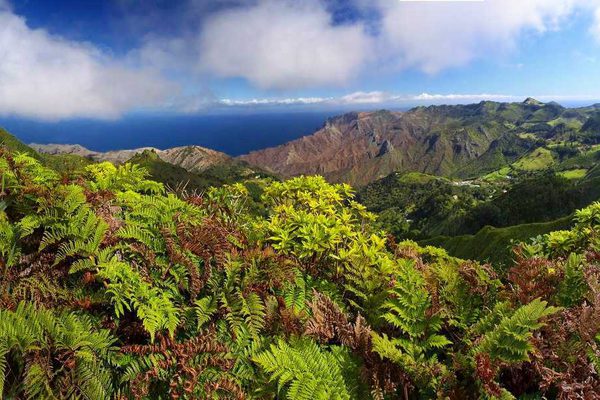
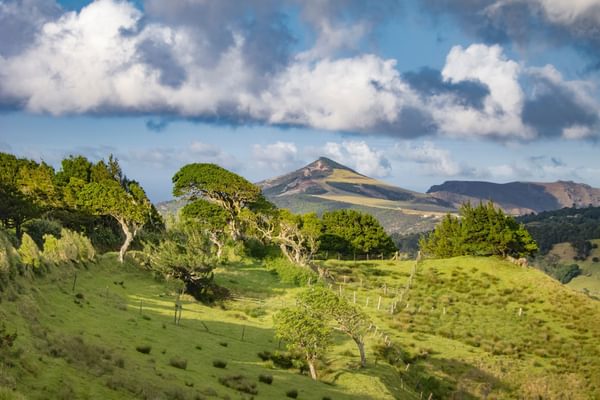
Beyond its fascinating history, St Helena is a paradise for nature lovers. Dramatic cliffs give way to rolling green hills, cloud forests and volcanic peaks, with an excellent network of walking trails leading through some of the island's most spectacular scenery. Hike through ancient forests, discover hidden waterfalls and explore landscapes that are home to an extraordinary collection of endemic plants and birdlife found nowhere else on Earth.
A visit to Plantation House is another island highlight. As well as being the Governor's residence, it's home to Jonathan, the world's oldest known living land animal. This giant tortoise has been ambling around the estate for well over 190 years and has become one of St Helena's most beloved residents.
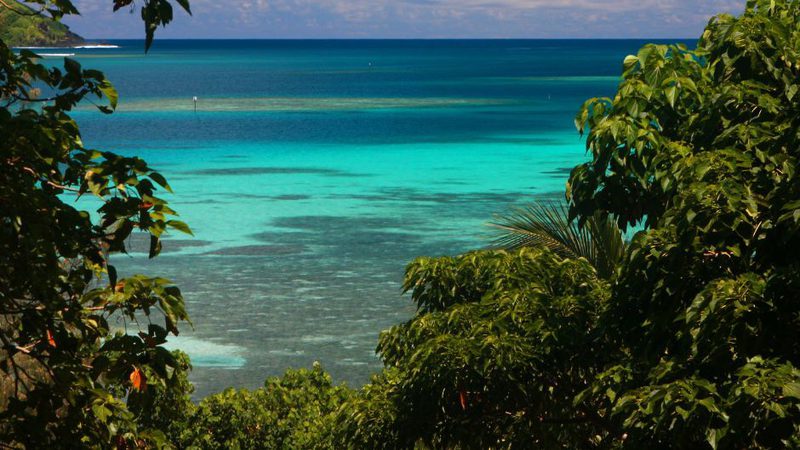
The waters surrounding the island are equally rewarding. Diving and snorkelling are exceptional, with colourful reefs, caves and historic shipwrecks to explore. Between January and March, whale sharks visit the island, offering one of the world's most memorable wildlife encounters, while dolphins are frequently seen on boat trips throughout the year.
Coffee lovers should also make time to visit one of St Helena's plantations. The island produces one of the rarest and most highly regarded coffees in the world, with beans grown on its fertile volcanic slopes. Even Napoleon himself was said to be a fan.
St Helena holiday add-ons
St Helena combines perfectly with a South Africa holiday, with regular flights making it easy to include as part of a wider itinerary. Spend time exploring Cape Town, the Winelands or embarking on safari before escaping to one of the world's most remote islands for a completely different experience. Whether you're walking its spectacular trails, discovering centuries of history or simply enjoying the peace and hospitality of island life, St Helena offers a truly unforgettable adventure.

I know St Helena well — I’d love to help you plan your trip.
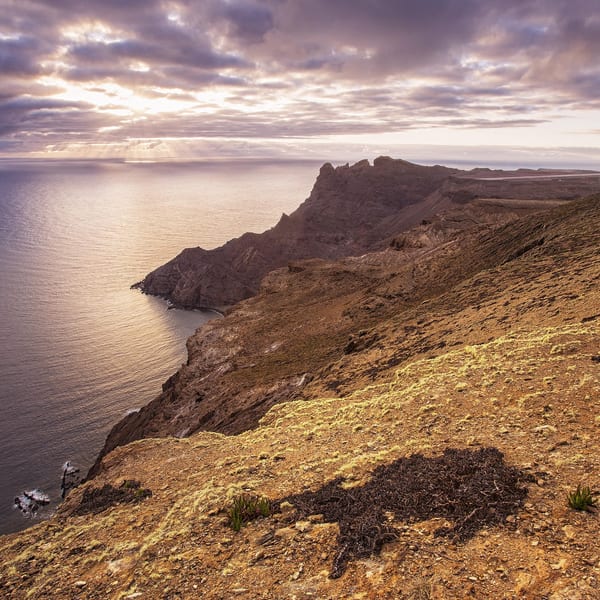
A Hiker's Paradise in the South Atlantic
- St Helena
A Hiker's Paradise in the South Atlantic
St Helena Trip Inspiration

Tamara, our St Helena specialist says:
“From climbing Jacob’s Ladder to walking through cloud forest at Diana’s Peak, St Helena is full of surprises. One day you’re snorkelling with whale sharks, the next you’re standing in Napoleon’s former home or meeting Jonathan, the world’s oldest giant tortoise. It’s remote, welcoming, and completely unlike anywhere else I’ve been.”
When to go to St Helena
Find out the best time to visit St Helena with our month by month guide.
- Best
- Good
- Mixed
- Jan
- Feb
- Mar
- Apr
- May
- Jun
- Jul
- Aug
- Sep
- Oct
- Nov
- Dec
January
January is predominately sunny and hot, with temperatures reaching up to 30 degrees. If you venture out of Jamestown you can expect some rainfall but it rarely more than a light shower. If you're looking to see whale sharks around the island and perhaps swim with these gentle giants, January is the perfect time to visit.
February
February is sunny and hot, with temperatures reaching up to 30 degrees. If you venture out of Jamestown you can expect some rainfall but it rarely more than a light shower. If you're looking to see whale sharks around the island you will have a good chance of spotting some during February.
March
March is the hottest month of the year with temperatures reaching up to 32 degrees, with some chance of showers. It is the peak tourist season. If you're looking to walk up Green Mountain it is usually around 4-7 degrees cooler, so it can be pleasant to venture up in March.
April
The height of the rainy season with frequent showers, yet still remaining warm. There are fewer tourists because it is noticeably cooler than the summer months.
May
The rainy season still prevails in May with frequent showers, yet still remaining warm with average temperatures reaching 25 degrees. There are fewer tourists because it is noticeably cooler than the summer months.
June
The rainy season still prevails in June with frequent showers, yet still remaining warm with average temperatures reaching 25 degrees. There are fewer tourists because it is noticeably cooler than the summer months.
July
During August the weather is noticeably cooler and generally wetter than the summer months. If you visit during low season you can see St Helena's other big marine attraction, humpback whale.
August
During August the weather is noticeably cooler and generally wetter than the summer months. If you visit during low season you can see St Helena's other big marine attraction, humpback whales - in August they will have calves present.
September
The weather is noticeably cooler and generally wetter in September than the summer months. If you visit during low season you can see St Helena's other big marine attraction, humpback whale.
October
In October the weather is noticeably cooler and generally wetter than the summer months. If you visit during low season you can see St Helena's other big marine attraction, humpback whale.
November
November is the main tourist season because it is summer on St Helena with days predominately sunny and hot, with temperatures reaching up to 30 degrees. If you venture out of Jamestown you can expect some rainfall but it rarely more than a light shower.
December
December is predominately sunny and hot, with temperatures reaching up to 30 degrees. If you venture out of Jamestown you can expect some rainfall but it rarely more than a light shower.
Types of St Helena vacations
Best places to stay in St Helena
Speak to a St Helena expert today
and start planning your tailor-made vacation

Alistair

Vernon
FAQs About Your St Helena Holiday
Planning a holiday to St Helena? Our experts share advice on everything from what to pack, when to go, to tips for families, covering the questions we get asked the most.
What makes St Helena a unique holiday destination?
St Helena is one of the world’s most remote islands, sitting in the South Atlantic Ocean. It combines dramatic volcanic landscapes, rich history, warm island culture, and outstanding opportunities for hiking, diving, and wildlife encounters. Its remoteness makes it feel like you’ve truly stepped off the beaten track.
How do you get to St Helena?
The easiest way to reach St Helena is by air, with weekly flights from Johannesburg in South Africa. These take around six hours, and many visitors choose to combine their holiday with time in South Africa. Previously, the island was only accessible by sea, and cruise stopovers are still possible.
What is the best time to visit St Helena?
St Helena is a year-round destination, but the most popular months are between October and May when the weather is warm and relatively dry. Whale sharks are often spotted between January and March, while hiking is especially good during the cooler months of June to September.
What can you do on holiday in St Helena?
Popular St Helena activities include hiking the island’s rugged trails, swimming with whale sharks, diving in clear waters, and exploring Napoleonic history. You’ll also find friendly local communities, endemic birdlife, and excellent stargazing.
Is St Helena good for wildlife lovers?
Yes, absolutely. St Helena is home to many unique species found nowhere else in the world. The marine life is a major draw, with whale sharks, dolphins, and a variety of tropical fish. Birdwatchers will also enjoy spotting the endemic wirebird and other rare species.
What is the culture like on St Helena?
The island has a welcoming, close-knit community with a mix of British heritage and island traditions. English is the main language, and visitors often enjoy local hospitality, home-cooked food, and cultural events. It feels both familiar and wonderfully different at the same time.
Where should I stay on St Helena?
There are no large resorts here, but you’ll find comfortable guesthouses, boutique hotels, and self-catering cottages. Many are family-run, offering a personal touch and plenty of local insight. Accommodation is mostly based in Jamestown or the surrounding countryside. See St Helena Accommodation
How long should I spend in St Helena?
Most travellers stay for a week to ten days, which allows enough time to explore the island’s key sights, enjoy several hikes, and relax into the slower pace of life. Some stay longer, particularly if they want to dive or immerse themselves in the local culture.
Is St Helena good for history enthusiasts?
Yes. The island is famously known as Napoleon’s place of exile, and you can visit Longwood House and his tomb. There are also forts, Georgian buildings in Jamestown, and stories of shipwrecks and maritime history stretching back centuries.
Is St Helena suitable for adventurous travellers?
Definitely, its remote location, rugged landscapes, and adventurous activities like hiking, diving, and 4x4 exploring make it a destination for those seeking something different. It’s a holiday that feels like a true discovery, far from the usual tourist trail.
Is St Helena a good destination for diving?
Yes. St Helena has some of the clearest waters in the South Atlantic, with visibility often over 30 metres. Divers can explore volcanic reefs, caves, and wrecks, encountering everything from butterflyfish and grouper to whale sharks in season. With little current and uncrowded sites, it’s an excellent destination for both beginners and experienced divers.