






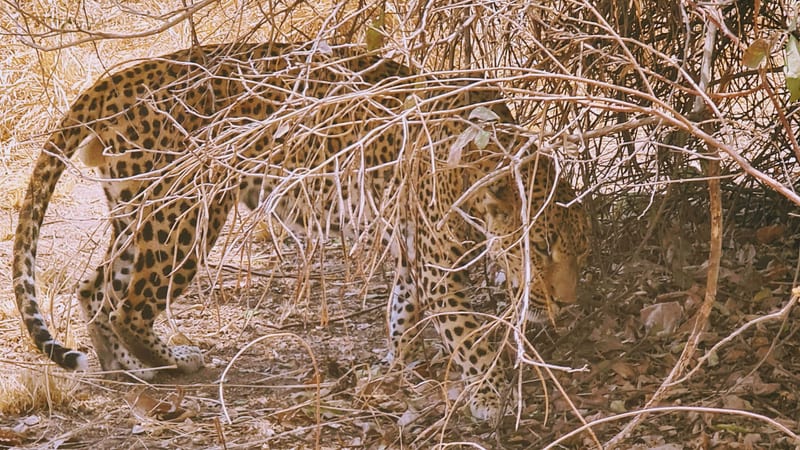


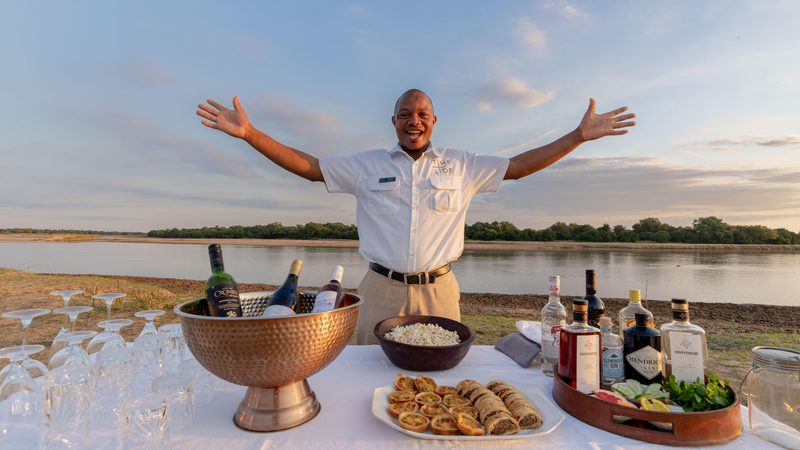






Bomani is one of our favourite lodges in the beautiful Hwange National Park
Location
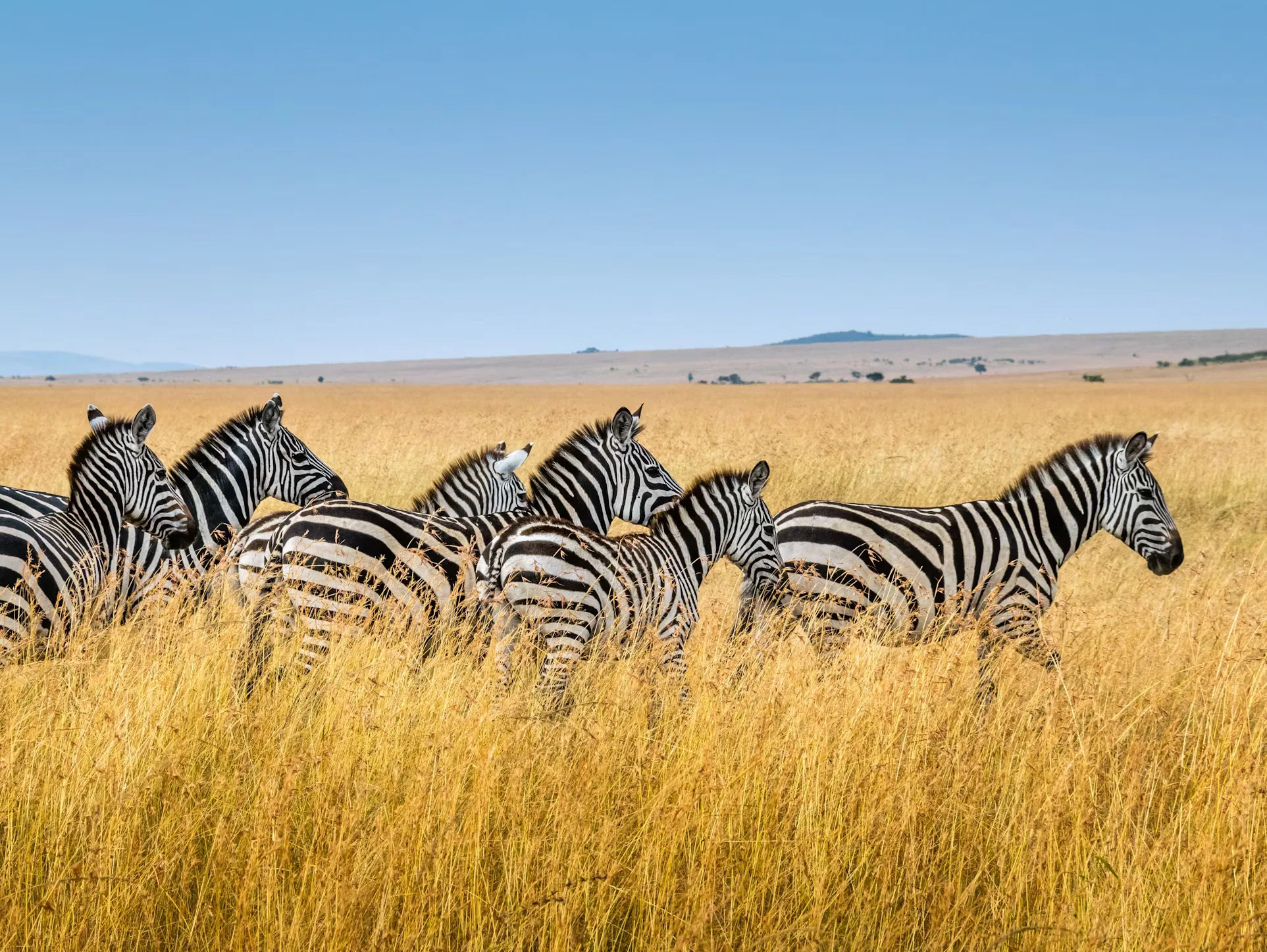
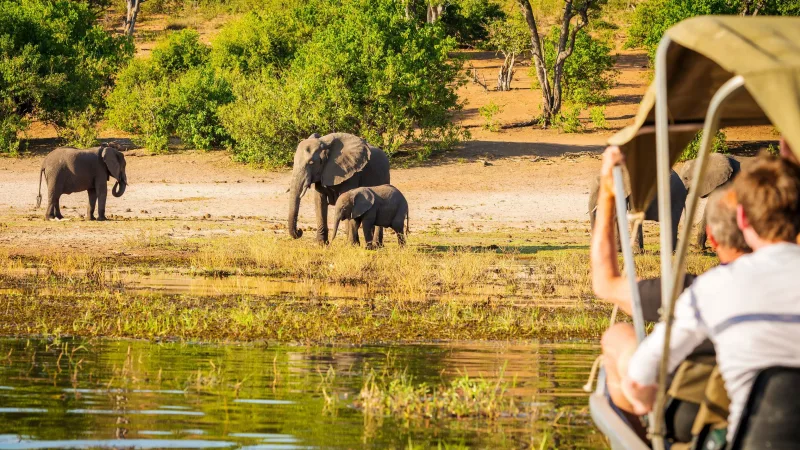
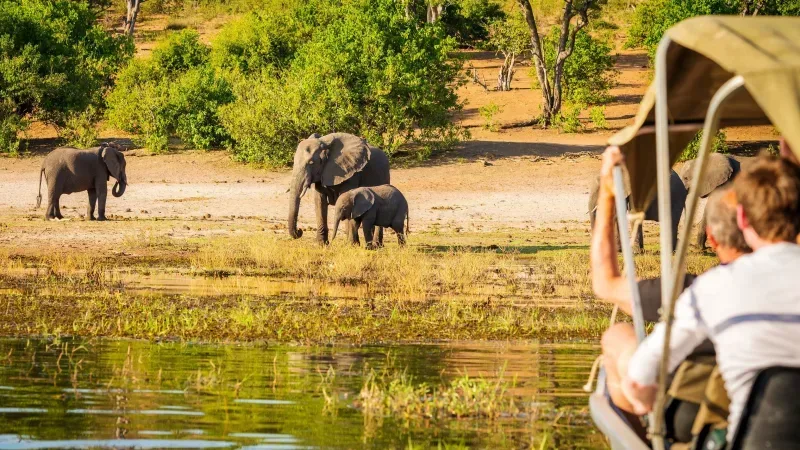
Bomani Tented Camp is nestled in a 5 000‑acre private concession on the edge of the Ngamo Plains, in the remote south‑eastern corner of Hwange National Park, Zimbabwe’s largest and most wildlife‑diverse reserve. The dramatic open plains and prolific waterholes here draw abundant game, especially elephants, buffalo and plains grazers, offering superb year‑round wildlife viewing right from camp. Bomani’s location also means you can explore deeper into Hwange via the nearby Ngamo gate.
Rooms
The camp has 10 safari tents, plus a thatched bungalow and a family‑sized Sable Suite, accommodating up to about 30 guests. Tents range from raised Saddlebill units with teak viewing decks overlooking the plains to Spurwing tents and a honeymoon option at ground level facing the waterhole. Each is comfortably furnished with en‑suite facilities, hot running water, overhead and standing fans, and verandas perfect for morning coffee or an evening sundowner.
Facilities
Bomani’s central area comprises an open‑air thatched lounge, bar and dining deck overlooking a waterhole where wildlife frequently gathers. A splash pool provides a refreshing break between activities, and communal areas encourage relaxed safari conversation around the fire at night. Wi‑Fi is available in the main lodge, and solar power supports lighting throughout camp.
Activities
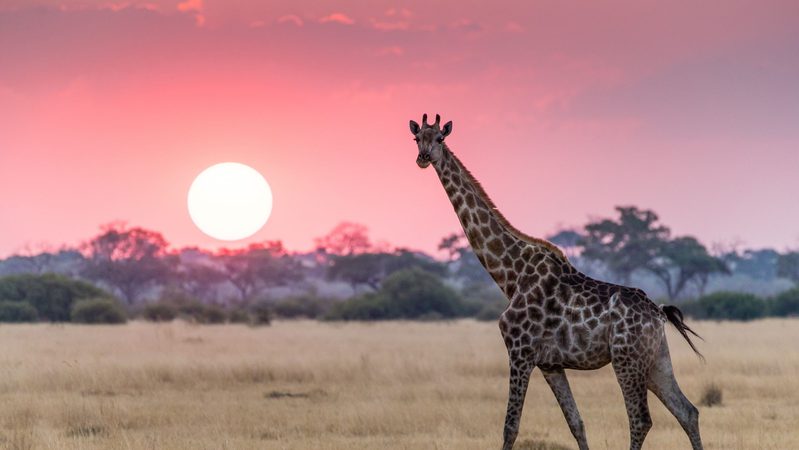
There’s a diverse schedule of experiences tailored to your interests. Expert guides lead game drives inside the private concession and into Hwange National Park, with the chance to see large herds of elephants, lions, buffalo and much more. Night drives, guided walks, and the legendary “pump run”, a full‑day excursion visiting the park’s waterholes, enrich your safari. Visits to nearby villages and schools offer cultural insight, while hides and photographic safaris add variety. Seasonal canoeing and the Ngamo Wildlife Sanctuary experience are also possible.
Sustainability
Bomani Tented Camp contributes to community‑centred conservation through Imvelo’s long‑standing engagement with local people and ecosystems. The lodge operates within the CAMPFIRE model, meaning tourism revenue supports livelihoods, education, clean‑water projects, health care and local employment, while also helping maintain vital wildlife resources such as pumped waterholes that sustain animals through dry seasons. Guests can actively participate in community and conservation initiatives, making a stay here both meaningful and impactful.
Let me help you create your perfect bespoke holiday
Best places to stay in Hwange National Park
Zimbabwe Trip Inspiration
When to visit Zimbabwe
Find out the best time to visit Zimbabwe with our month by month guide.
- Best
- Good
- Mixed
- Jan
- Feb
- Mar
- Apr
- May
- Jun
- Jul
- Aug
- Sep
- Oct
- Nov
- Dec
January
January is an excellent time to head out with expert guides and view resident and migratory bird species. The days are warm, with the risk of rain, this clears very fast as it arrives.
February
February is the best time for birders. The days are warm, with the risk of afternoon rain showers, but they clear as fast as they arrive.
March
If you want to witness Vic Falls at its fullest, March is the month to visit, with huge volumes of spray, it is perfect if you want to see the gorges and geology of the area.
April
The world famous Mana Pools re-open in April. The days feel fresher as the wet season ends leaving the landscapes looking lush green, making it perfect for walking safaris.
May
In May, the days continue to feel fresh and bright making it a perfect time to venture out on walking safaris.
June
June heralds the return of winter, nights turn colder and the temperature dips - take plenty of layers as the temperature can drop below freezing. It is the perfect time for photographers to explore Hwange National Park before the busy holiday period.
July
Winter temperatures continue into July so take plenty of layers. Much like June, it is perfect for photographers looking to view wildlife from a different angle.
August
If you want clear, bright blue skies and continuous wildlife sightings, August is the month for you. Camps are likely to be fuller, however, if you visit private concessions you can still experience exclusivity and no crowds.
September
Much like August, September is an amazing time for wildlife spotting and weather, in particular it is considered the best time of year to see elephant herds in Hwange National Park.
October
In October wildlife sightings are at their peak as the dry season ends. If you travel during this month you can experience hot days with temperatures soaring up to 40 degrees.
November
November is the best time to head out with expert guides and view resident and migratory bird species. The days are warm, with the risk of rain, this clears very fast as it arrives. It is low season and one of the best times to go white water rafting at Vic Falls, the volume and speed of the water is reduced exposing the rapids.
December
In December the days are warm with the risk of rain showers mid afternoon. The rivers rise and dependant on water levels travellers can visit 'devils pool' at Vic Falls, providing high excitement and a head for heights needed if you want to get close to the drop off.
Speak to a Zimbabwe expert today
and start planning your tailor-made vacation

Alistair