



















A remote safari camp offering simplicity with luxurious touches, and exceptional animal sightings
Location
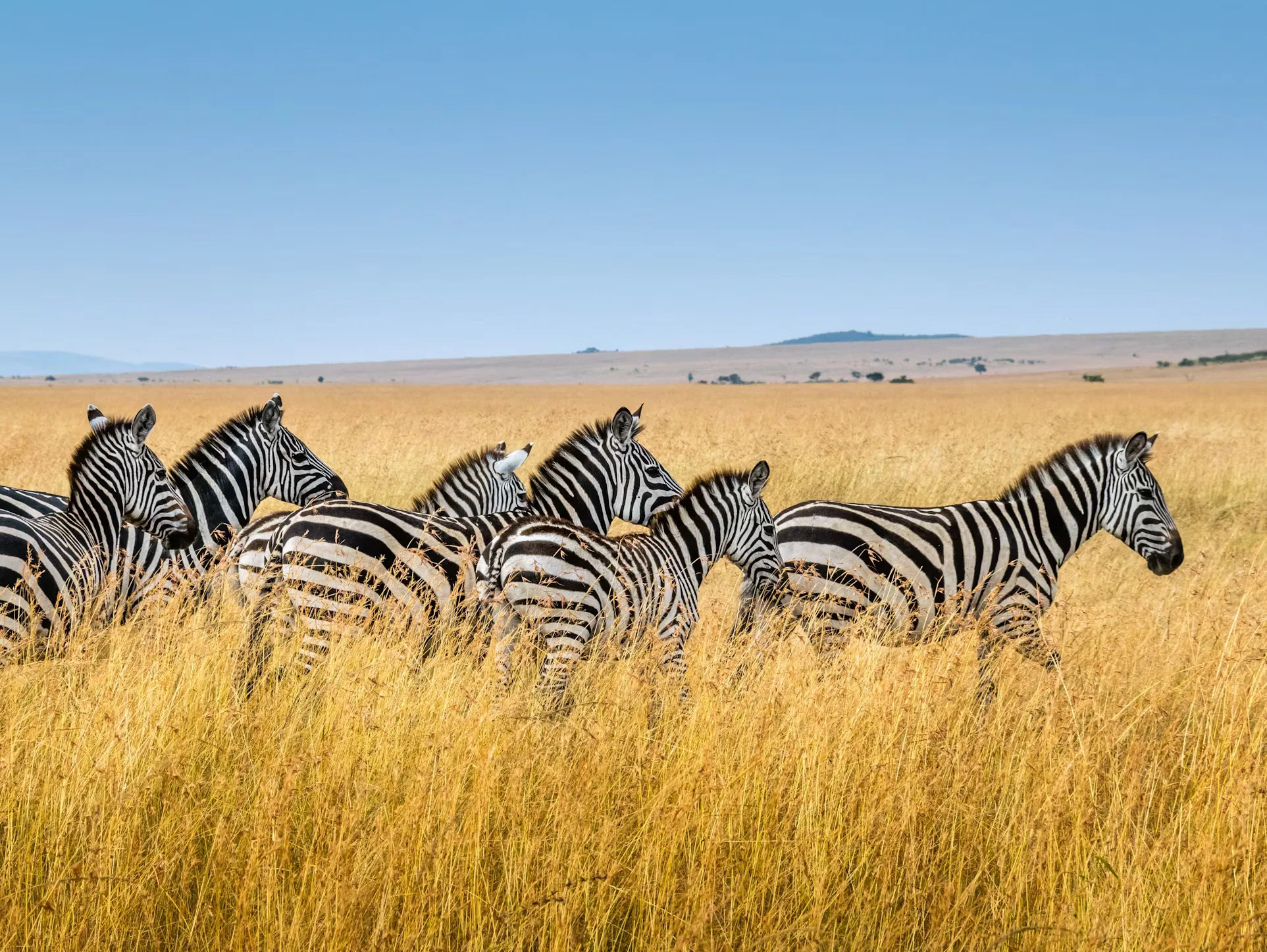
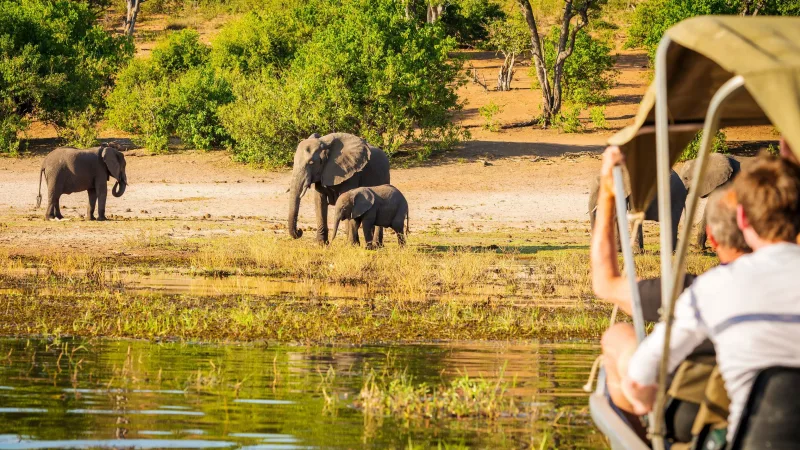
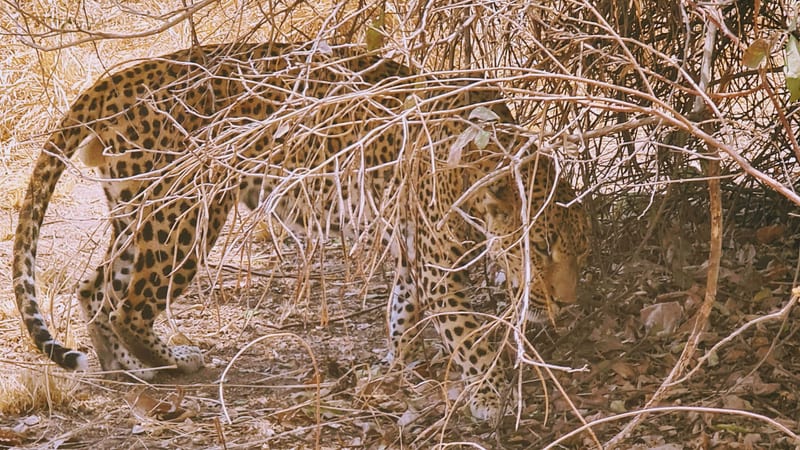
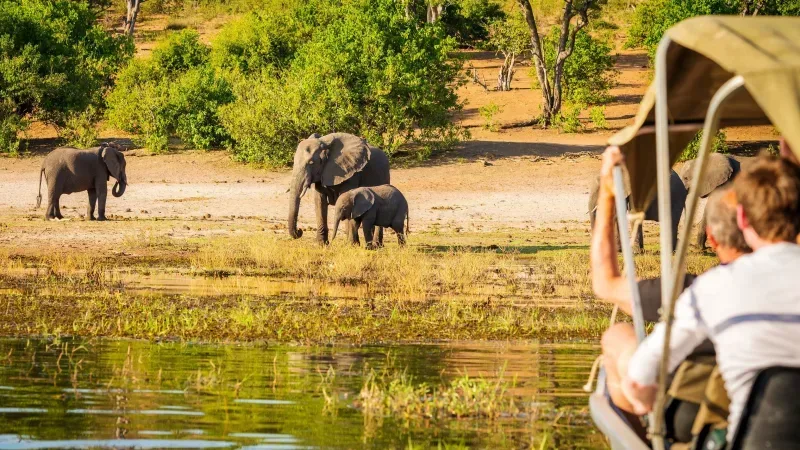
Ishasha Wilderness Camp is set deep within the southern Ishasha sector of Queen Elizabeth National Park, on the banks of the Ntungwe River in western Uganda. Renowned for its remote wilderness and iconic wildlife, the location is famous for sightings of tree‑climbing lions resting in fig trees, as well as elephants, buffalo and abundant birdlife all within easy range of the camp.
Rooms
Accommodation comprises 10 elevated East African‑style canvas tents positioned next to the Ntungwe River. Each spacious tent features en‑suite facilities with hot “bush” showers, running water and eco‑friendly flushing toilets, plus private verandas that bring you close to the sights and sounds of the park. Interiors are comfortably furnished with large mosquito‑netted beds and simple safari‑inspired décor.
Facilities
The camp’s communal areas include a central thatched lounge and dining space overlooking the river, where meals are served either under canvas or al fresco. A well‑stocked bar and outdoor decking offer relaxed settings for sundowners and watching wildlife. Additional amenities include free Wi‑Fi, a boutique craft shop, and the option for bush breakfasts and sundowner experiences in the wild.
Activities
Game drives in the Ishasha sector are the signature experience here, with early morning and late afternoon safaris focused on locating tree‑climbing lions and other savannah wildlife. Birdwatching, nature walks, riverbank exploration, boat cruises on the Kazinga Channel, and visits to nearby communities and natural attractions such as Kyambura Gorge can also be arranged. Bush breakfasts and sundowners in the park complete the wilderness experience.
Sustainability
Ishasha Wilderness Camp is committed to minimising its ecological footprint and supporting responsible tourism. The camp utilises solar power for lighting and hot water, reducing reliance on fossil fuels, and its tents and infrastructure are designed to blend with the surrounding environment. Water conservation and responsible wastewater management help protect the adjacent Ntungwe River ecosystem. Single‑use plastics are avoided wherever possible, with durable, reusable materials used throughout camp operations. Food produce is sourced locally from nearby communities, supporting small‑scale farmers and reducing transport emissions.
Let me create your perfect Uganda holiday
Queen Elizabeth National Park Safari Holiday Lodges and Camps
Queen Elizabeth National Park Safari Holidays, Trips and Tours Ideas
When to go to Uganda
Find out the best time to visit Uganda with our month by month guide.
- Best
- Good
- Mixed
- Jan
- Feb
- Mar
- Apr
- May
- Jun
- Jul
- Aug
- Sep
- Oct
- Nov
- Dec
January
January is classed at the dry season in Uganda, it is one of the best times to visit. Wildlife spotting is good at this time of year is there is less vegetation to obstruct your view.
February
The dry season in February is one of the best times to visit. Wildlife spotting is good at this time of year as there is less vegetation to obstruct your view and a great time for trekking to see chimps, mountain gorillas and migratory birds.
March
The start of the wet season brings lush green foliage and animals giving birth to their young. Visitors should expect heavy rain showers, with some causing issues with the roads so journeys can be longer and bumpier.
April
The wet season in April brings lush green foliage. Visitors should expect heavy rain showers, trekking mountain gorillas will be slower and slippery but they will still be lurking in the mist.
May
The wet season continues into May, with similar conditions to March and April.
June
June is the start of dry season, it is one of the best times to visit Uganda, with large mammals gathering around watering holes game is easily spotted.
July
The dry season continues into July and remains one of the best times to visit Uganda, with game is easily spotted and abundant.
August
The dry season continues into August and remains one of the best times to visit Uganda, with conditions similar to July.
September
September is a good time to visit, with excellent opportunities to observe gorillas as vegetation remains low. Although always expect some rainfall on your trip.
October
October has excellent opportunities to observe gorillas as vegetation remains low. Although always expect some rainfall on your trip.
November
The wet season begins again, with national parks turning lush green as heavy rain showers fill the skies. For birders this is an excellent although wet time to visit Uganda to see migratory birds.
December
Expect some rainfall in December, but wildlife spotting is generally good at this time of year. It's a great time to trek to see chimpanzees, mountain gorillas as well as migratory birds.
Speak to a Uganda expert today
and start planning your tailor-made vacation

Alistair