


















A luxury safari experience with minimal impact on the environment
Location
Katara Lodge is perched on the Great Rift Valley escarpment, overlooking sweeping savannah plains that stretch towards Queen Elizabeth National Park and Lake Edward. The lodge sits just outside the park’s southern boundary near the Ishasha sector, famous for its tree-climbing lions, while also offering easy access to Kyambura Gorge for chimpanzee tracking. Its elevated position provides spectacular sunset views across the rift valley landscape.
Rooms
The lodge offers eight spacious thatched cottages, each carefully positioned to maximise privacy and panoramic views across the valley. Rooms are built using natural materials such as timber, stone and thatch, and feature en-suite bathrooms with hot showers, comfortable beds with mosquito nets and private verandas overlooking the plains. Two family cottages are available, making the lodge suitable for families or small groups travelling together.
Facilities
Facilities centre around a main lodge building with restaurant, bar and lounge, all opening onto a large wooden deck that looks across the Rift Valley. A small infinity swimming pool offers one of the best viewpoints at the property, while the spa provides massages and wellness treatments after a day of activities. Meals focus on fresh ingredients, with many vegetables and herbs sourced from the lodge’s own gardens.
Activities
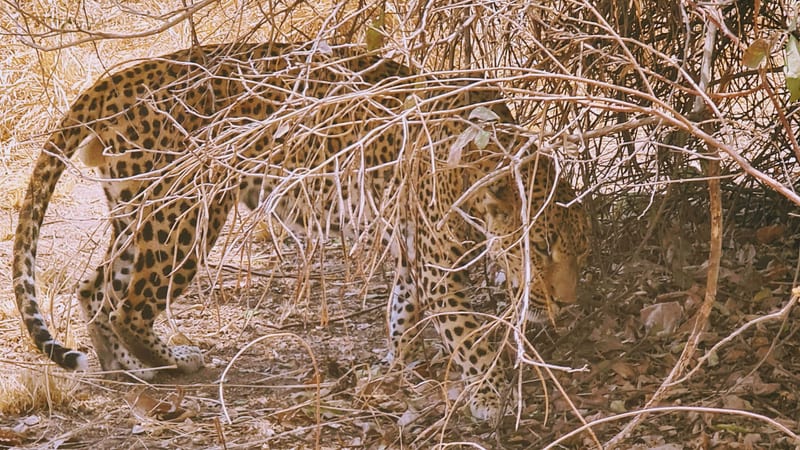
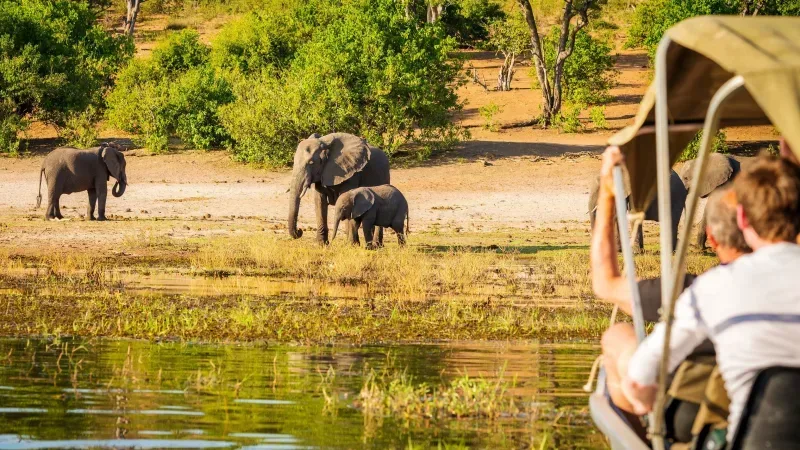
Katara Lodge provides an excellent base for exploring Queen Elizabeth National Park. Guests can enjoy game drives across the Ishasha plains in search of elephants, buffalo and the famous tree-climbing lions. Other experiences include chimpanzee trekking in Kyambura Gorge, boat safaris along the Kazinga Channel, guided nature walks and birdwatching. Cultural visits to nearby communities offer insight into local life in the Rift Valley.
Sustainability
The lodge was constructed largely from locally sourced natural materials, helping it blend with the surrounding landscape while supporting local craftsmen. A significant portion of the lodge’s staff are recruited from nearby villages, providing training and long-term employment opportunities in hospitality. The lodge also works closely with local farmers, purchasing fresh produce and supplies from the surrounding communities to strengthen the local economy. In addition, Katara supports community development projects and education initiatives, helping provide resources for nearby schools and creating meaningful connections between tourism and local livelihoods in the Queen Elizabeth National Park region.
Let me create your perfect Uganda holiday
Queen Elizabeth National Park Safari Holiday Lodges and Camps
Queen Elizabeth National Park Safari Holidays, Trips and Tours Ideas
When to go to Uganda
Find out the best time to visit Uganda with our month by month guide.
- Best
- Good
- Mixed
- Jan
- Feb
- Mar
- Apr
- May
- Jun
- Jul
- Aug
- Sep
- Oct
- Nov
- Dec
January
January is classed at the dry season in Uganda, it is one of the best times to visit. Wildlife spotting is good at this time of year is there is less vegetation to obstruct your view.
February
The dry season in February is one of the best times to visit. Wildlife spotting is good at this time of year as there is less vegetation to obstruct your view and a great time for trekking to see chimps, mountain gorillas and migratory birds.
March
The start of the wet season brings lush green foliage and animals giving birth to their young. Visitors should expect heavy rain showers, with some causing issues with the roads so journeys can be longer and bumpier.
April
The wet season in April brings lush green foliage. Visitors should expect heavy rain showers, trekking mountain gorillas will be slower and slippery but they will still be lurking in the mist.
May
The wet season continues into May, with similar conditions to March and April.
June
June is the start of dry season, it is one of the best times to visit Uganda, with large mammals gathering around watering holes game is easily spotted.
July
The dry season continues into July and remains one of the best times to visit Uganda, with game is easily spotted and abundant.
August
The dry season continues into August and remains one of the best times to visit Uganda, with conditions similar to July.
September
September is a good time to visit, with excellent opportunities to observe gorillas as vegetation remains low. Although always expect some rainfall on your trip.
October
October has excellent opportunities to observe gorillas as vegetation remains low. Although always expect some rainfall on your trip.
November
The wet season begins again, with national parks turning lush green as heavy rain showers fill the skies. For birders this is an excellent although wet time to visit Uganda to see migratory birds.
December
Expect some rainfall in December, but wildlife spotting is generally good at this time of year. It's a great time to trek to see chimpanzees, mountain gorillas as well as migratory birds.
Speak to a Uganda expert today
and start planning your tailor-made vacation

Alistair