



















Best time to go to Malawi
Malawi is a fantastic year-round destination, with warm temperatures throughout the year and distinct dry and rainy seasons. Broadly speaking, the dry winter season runs from May to October, offering excellent wildlife viewing and comfortable temperatures, while the rainy summer months between November and March transform the country into a lush, green landscape that is particularly rewarding for birders and photographers.
When to visit largely depends on what you'd like to experience. Whether you're planning a safari, spending time on Lake Malawi or hoping to enjoy the country's exceptional birdlife, each season has something different to offer.
Below is a short summary of the best times to visit, or scroll down for a full month-by-month guide.
Safari
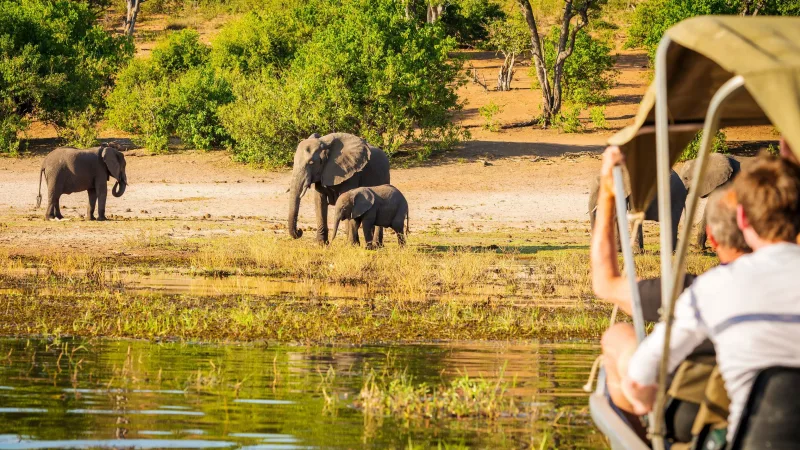
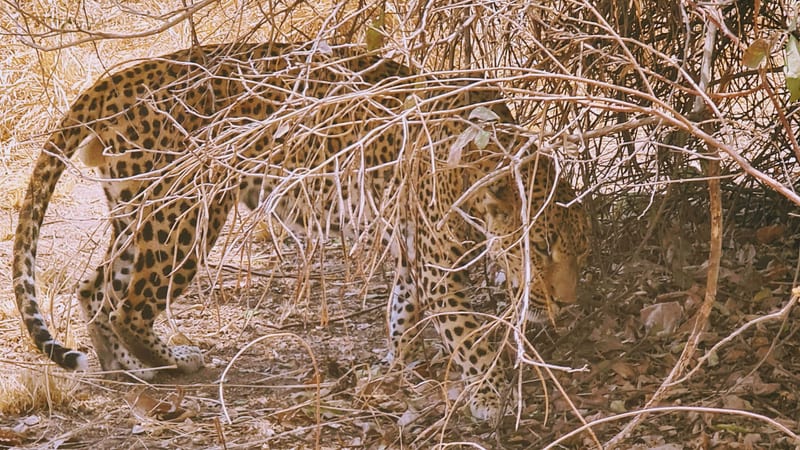
Malawi's national parks are at their best during the dry season, when vegetation is sparse and wildlife gathers around rivers and waterholes, making animals much easier to spot.
The cooler winter months from July to September offer the most comfortable safari conditions, with daytime temperatures generally in the low 20s°C in July before gradually warming towards October. By October, temperatures are much hotter, but game viewing is often exceptional as wildlife concentrates around the last remaining water sources.
Unlike many other safari destinations in southern Africa, Malawi remains relatively uncrowded, even during the peak season.
Best for safari: July to October – dry weather and excellent wildlife viewing.
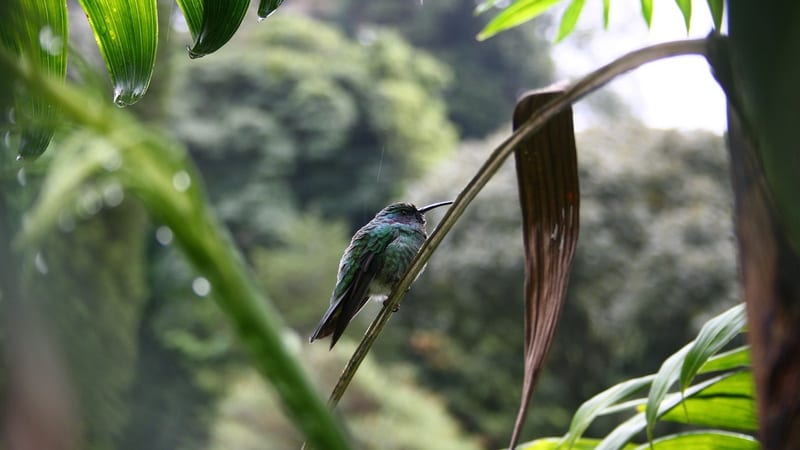
Best for birding: November to April – resident and migrant birdlife is at its best during the green season.
Peak season: July to October.
Lake Malawi
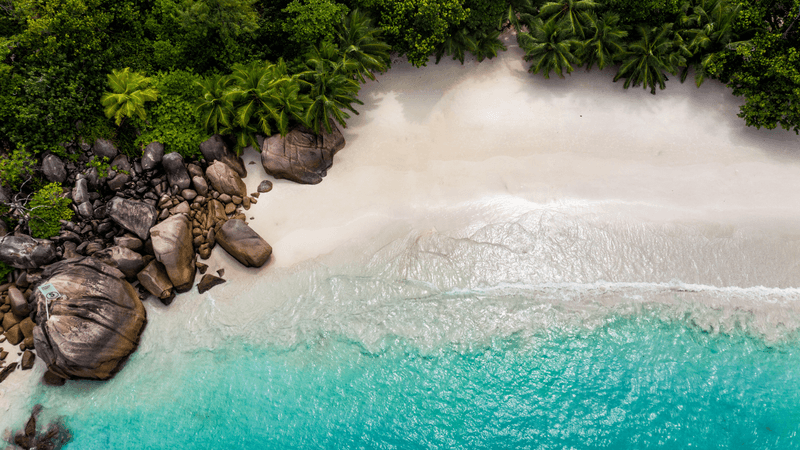
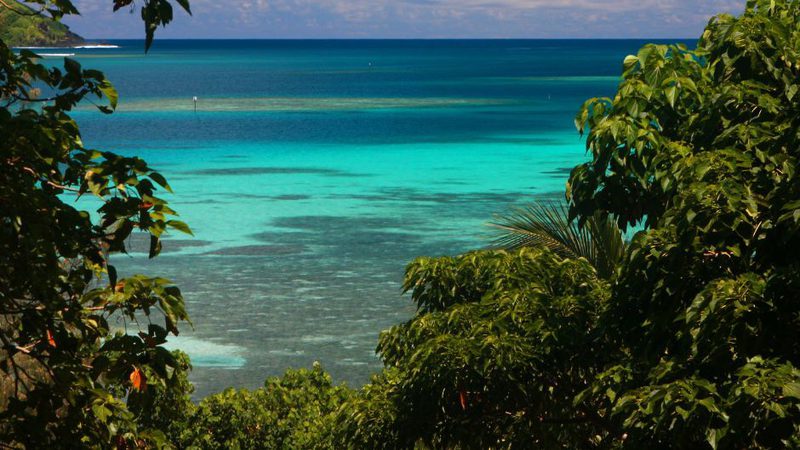
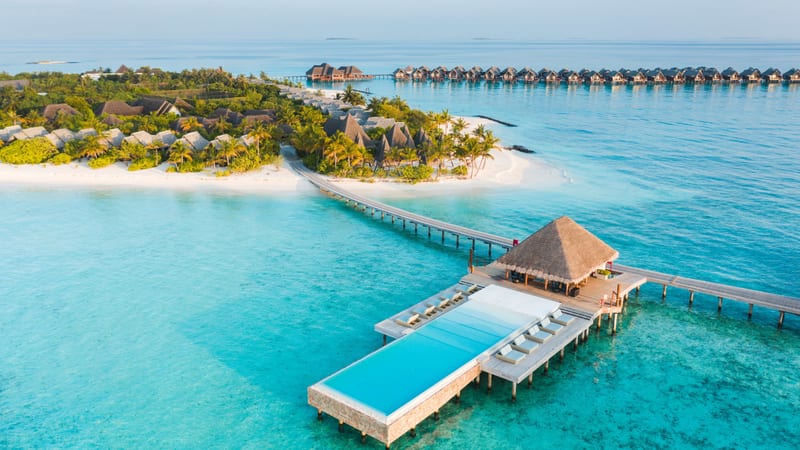
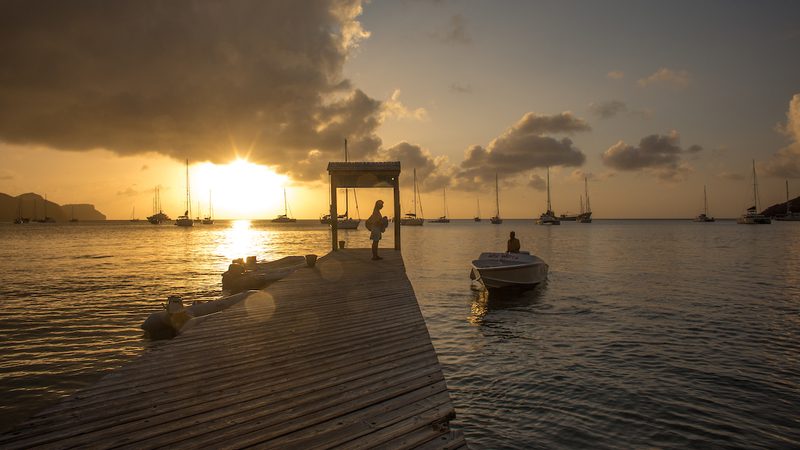
Lake Malawi can be enjoyed throughout the year, although the dry season offers the most reliable sunshine and calm conditions for swimming, kayaking, sailing and relaxing on the beaches.
The hotter months of October and November are ideal if you're looking for warm lake temperatures, while the dramatic summer storms between December and February create spectacular scenery, with lightning displays over the lake becoming a memorable highlight for many visitors.
Green Season
From November through to March, Malawi receives its summer rains. November is typically the hottest month of the year, with temperatures often reaching the low 30s°C before the rains begin later in the month.
Rainfall is heaviest during January and February, when some remote lodges temporarily close, but this is also when the landscapes are at their most vibrant. The countryside becomes lush and green, birdlife is outstanding and Nyika National Park bursts into colour with its famous orchids in bloom.
As the rains begin to ease from March onwards, Malawi is particularly beautiful, with fresh scenery, abundant wildlife and excellent photographic opportunities.
Best for scenery and photography: March to June – lush landscapes, colourful birdlife and fewer visitors.
Best for orchids: January to February in Nyika National Park.
Low season: December to February – heavier rainfall, fewer visitors and some seasonal lodge closures.
Shoulder Season
The months of May and June are often overlooked but offer some of the best value. The rains have ended, the countryside remains beautifully green and temperatures are warm during the day with cooler evenings.
Wildlife viewing steadily improves as the dry season begins, making this an excellent time to travel before peak-season rates and visitor numbers arrive.
Best value: May and June – pleasant weather, green landscapes and lower prices before the peak safari season.

Malawi Trip Inspiration
Speak to a Malawi expert today
and start planning your tailor-made vacation

Ben

Alistair
A month-by-month breakdown of visiting Malawi
January - April in Malawi
There are a few natural highlights that usually take place during certain months:
January to March: Over 200 species of orchid can be found blooming across the grasslands of Nyika National Park. Many migrant birds arrive to escape colder climates further north.
April: Wildlife is quite widely dispersed within the parks, with the landscape being lush and green, following the peak rains. This green season is a lovely time of year, with everything feeling fresh and alive with activity; many antelope species have recently given birth, so there are lots of young around.

May - July in Malawi
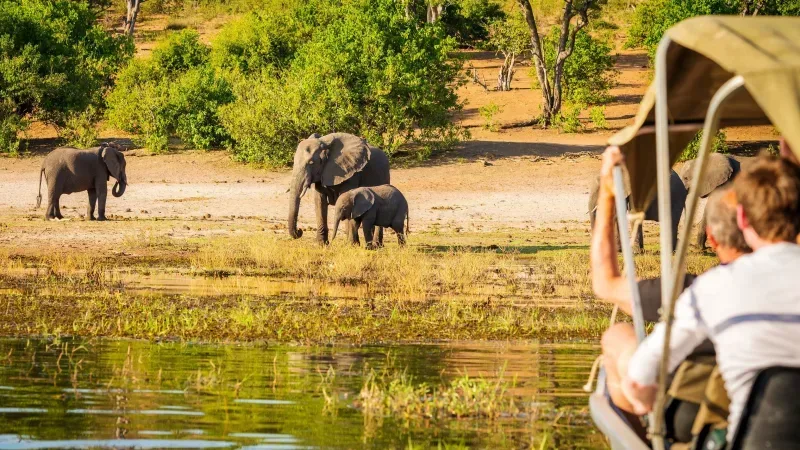
May: In Liwonde National Park, the herds of dispersed elephant slowly start to return to the areas along the Shire River, as other temporary water sources start to dry up. Impala males begin to rut, competing over females ahead of the mating season in late May/early June.
June to July: Lillian’s Lovebirds come together in large flocks of hundreds from June through to August and Liwonde is one of the best places to witness this. This coincides with the flowering of the candelabra tree, which the birds feed on. Elephant herds can also number into the hundreds at this time. Crocodile mating takes place.

August - December in Malawi
August to September: Huge swarms of adult lake flies, which look like dense clouds of smoke, can be witnessed over Lake Malawi. Their larvae live on the bottom of the lake, where they feed, before they pupate, float to the surface and hatch in giant swarms. The swarms in turn attract an abundance of fish and birds. When the winds blow them to the shore, people catch them and make a deep-fried, burger-like, lake fly patty, which is a local delicacy.
October – November: The world’s largest antelope, the eland, can be seen in herds, numbering in the hundreds on the Nyika Plateau, which marks the start of breeding season. This is a special sight on the rolling grassland hills. The drier landscape and limited water sources make wildlife viewing easier.
December: Crocodile hatchlings can be seen and heard. Their high-pitched chirping calls alert their mother that incubation is over. She breaks open the sand-covered chamber and assists them out of their shells by rolling the eggs between her tongue and palate, before delicately carrying them to the water’s edge in her mouth.