

















Comfortable safari canvas tents, campfire dining and exceptional wildlife encounters in Tarangire National Park
Location
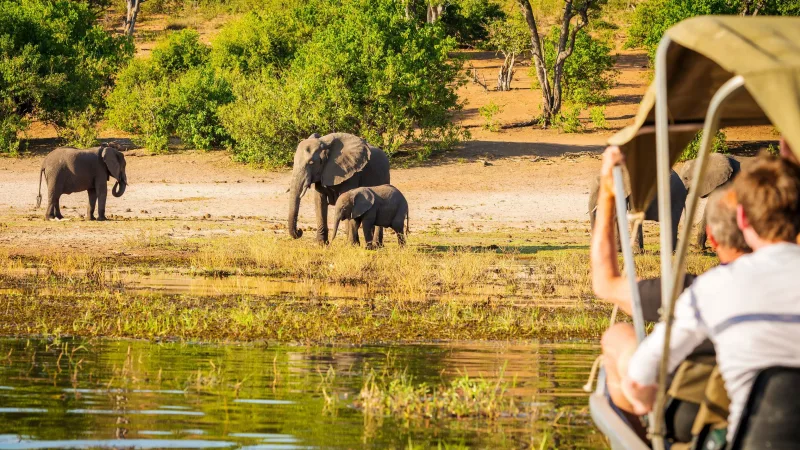
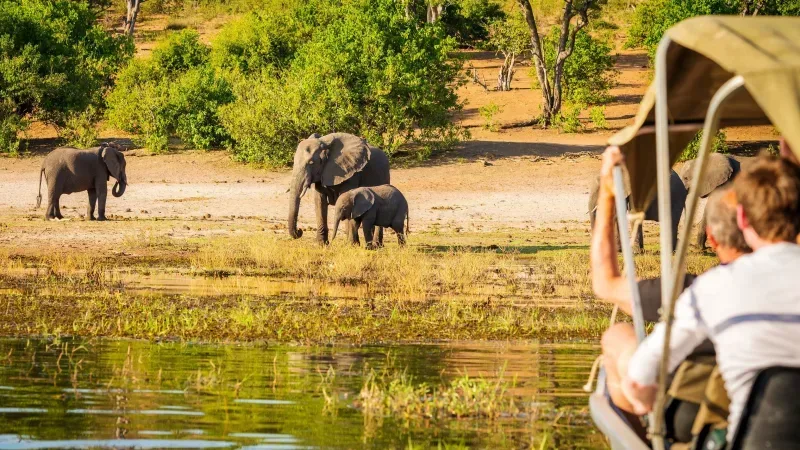
Olaado Tarangire sits deep within Tarangire National Park, one of Tanzania’s most cherished wildlife havens, known for its towering baobab trees, abundant elephant herds and rich biodiversity. This remote setting places you close to sweeping grasslands, waterholes and classic African savannah, where wildlife grazing and predator-prey interactions unfold around camp.
Rooms
The camp comprises eight safari-style canvas tents, thoughtfully positioned beneath majestic acacias with sweeping views over the plains. The ambience is simple yet memorable, with beds dressed in soft cotton linens and authentic safari furnishings that reflect the surroundings. Each tent includes a private en-suite area with a bucket shower and flush toilet, and there’s a shaded veranda with safari chairs, the perfect vantage for spotting wildlife from your doorstep.
Facilities
Olaado Tarangire embraces classic safari simplicity and atmosphere rather than resort-style amenities. The mess tent and campfire serve as the social heart, where delicious meals are shared and stories of the day’s sightings are exchanged under star-strewn skies. A modest bar area offers a selection of drinks to enjoy around the fire at sunset, and staff ensure that every practical need is met with warm, natural hospitality.
Activities
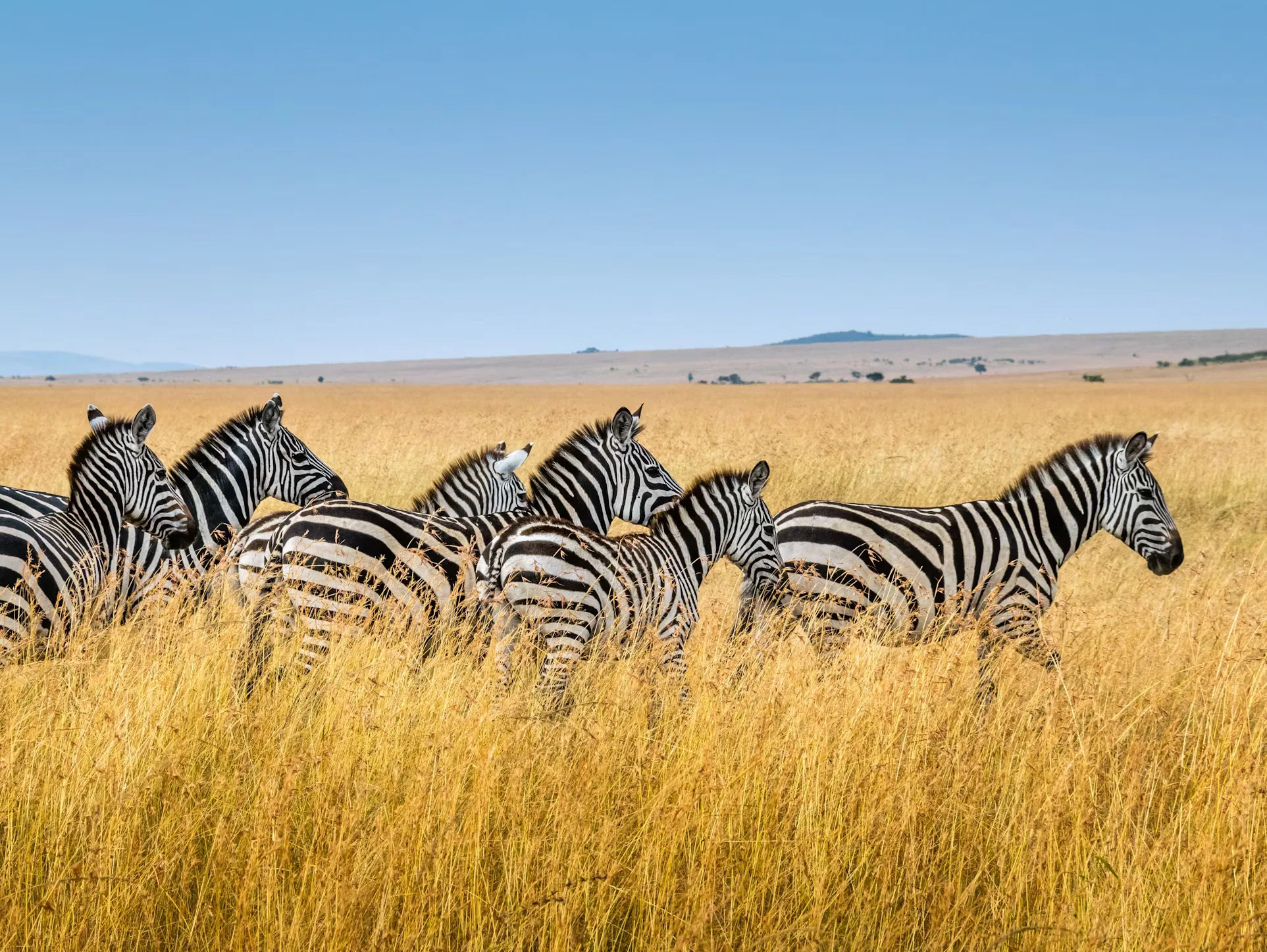
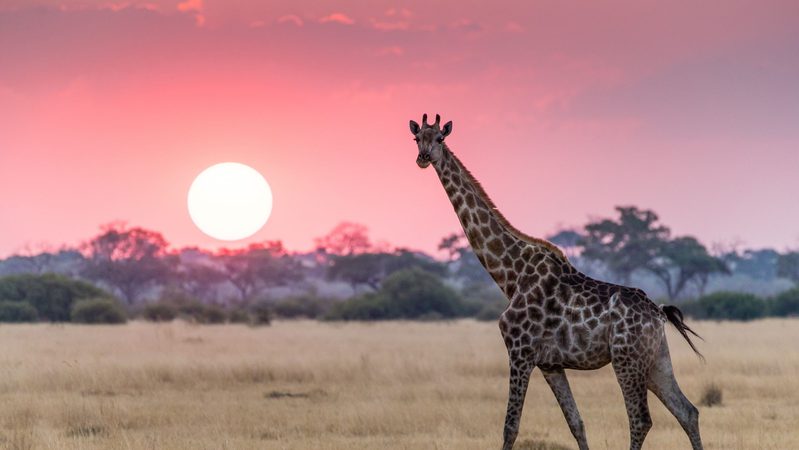
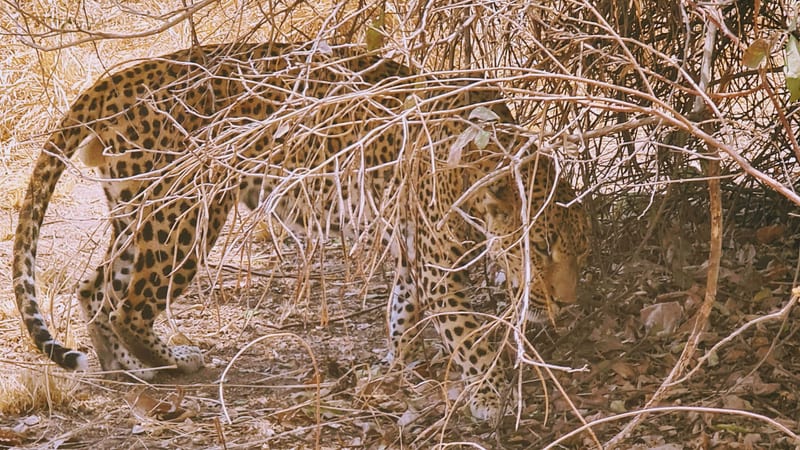
The primary draw here is wildlife exploration. Expert guides lead game drives across the park’s plains, where you’ll seek elephants, lions, giraffes, zebra and a dazzling array of birdlife. The rhythms of Tarangire, especially during the dry season when animals congregate around the Tarangire River, make this area a wildlife spectacle year-round. Early morning and late afternoon drives offer the best light and wildlife activity, and evenings around the campfire are perfect for reflection. Additional experiences such as guided walks or optional balloon safaris can be arranged to enrich your time here.
Sustainability
The camp runs on solar power for lighting and essential energy, and water is managed responsibly to reduce waste. Tents and camp infrastructure use natural and low-impact materials that blend with the savannah setting, and operations respect the rhythms of local flora and fauna, ensuring that wildlife and habitat remain undisturbed.

Let me help you create your perfect bespoke holiday
Best places to stay in Tarangire
Tarangire Trip Inspiration
When to visit Tanzania
Find out the best time to visit Tanzania with our month by month guide.
- Best
- Good
- Mixed
- Jan
- Feb
- Mar
- Apr
- May
- Jun
- Jul
- Aug
- Sep
- Oct
- Nov
- Dec
January
January is mixed when it comes to weather, temperatures rise whilst the chance of rain and humidity increases. It is still a good time to go, as the rates are lower yet the game viewing is still excellent.
- During this time migratory herds are in the Serengeti for calving season, meaning the Ndutu plains are busy.
February
The weather remains hot with a chance of rain in February.
- Meanwhile in the Ndutu Plains the migration is still occurring.
March
March is the calm before the storm, before heavy rains and humidity builds. Visitors can take great advantage of lower rates during the low season.
- Migrating herds start to leave Ndutu, heading West towards Grumeti.
April
April experiences continued periods of heavy rain, we would advise against travel due to the conditions.
May
During may there is periods of heavy rain, we would advise against travel due to the conditions.
June
June heralds the wet season, bringing lush green vegetation which can make spotting game more difficult. It is a particularly great time for birders as parks become populated by migratory birds especially in the South.
- Migration is still in the Grumeti area, heading north.
July
July is the start of peak season, temperatures reach up to 30 degrees and the surrounding land becomes drier and spotting game is becoming easier.
- The migration is in the Northern Serengeti moving towards Kenya.
August
August is peak season, with bush land drying out game spotting becomes much easier. If you want to experience Tanzania game at its best, August is the time to travel.
- The migration still remains in the north.
September
Peak season continues in September, the Northern circuit can be very busy, if you want to avoid crowds it's best to visit the southern parks.
- The end of the migration is still in the north with herds on both side of the Kenyan and Tanzanian borders.
October
Peak season continues into October with good game viewing in the Serengeti and southern parks.
- The migration has now crossed over into Kenya.
November
November is the start of the rainy season, the rains tend to be overnight so it is still a popular time to travel. During this month you can take advantage of low season rates.
- Migration crossing over into the Serengeti can be seen a the Tanzania and Kenya border.
December
Rains continue in December, whilst the temperature and humidity start to build. Venturing out on safari is generally good, with large game still easily spotted.
- Migrating herds in the north travel south back to Ndutu.
Speak to a Tanzania expert today
and start planning your tailor-made vacation

Alistair