

















Simple yet comfortable bush tents, campfire dining and wildlife at your doorstep in Ngorongoro
Location
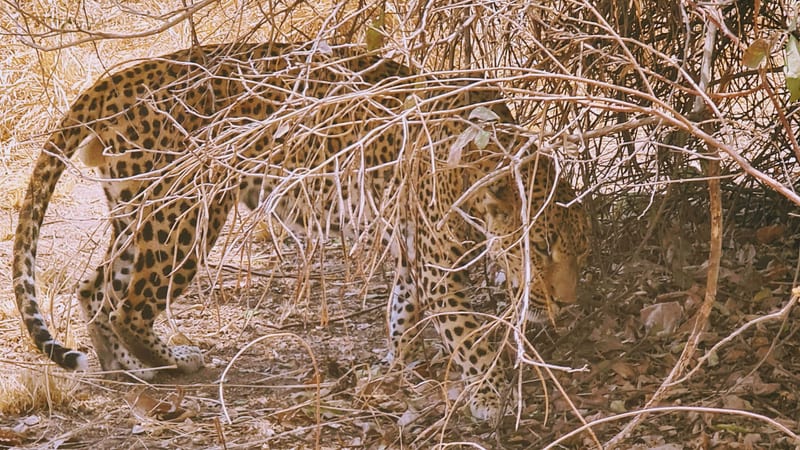
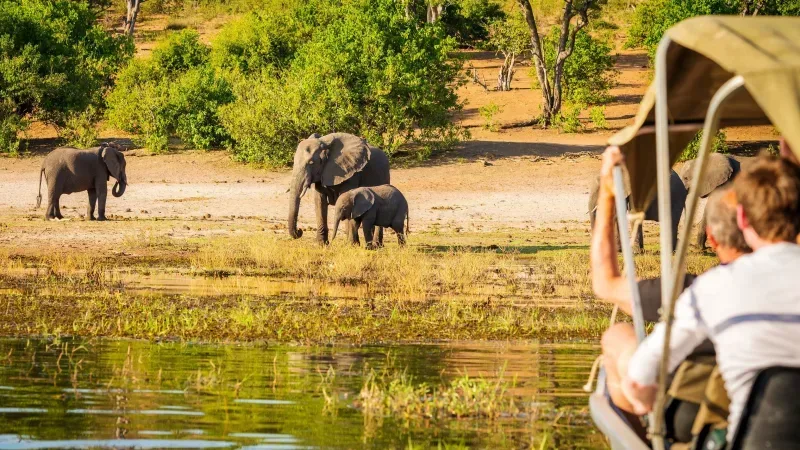
Olaado Camp is set deep within the Ngorongoro Conservation Area of northern Tanzania, a UNESCO World Heritage Site famed for its spectacular wildlife and dramatic landscapes. From early June to late February, the camp offers a true immersion in untamed East Africa, with plains and savannah stretching to the horizon and wildlife roaming freely around camp. This remarkable location places you in easy reach of some of Africa’s most prized safari terrain, from predator-rich grasslands to acacia-dotted woodlands teeming with elephants, lions and wildebeest.
Rooms
The camp has eight safari-style canvas tents, each thoughtfully positioned under acacia trees to maximise views across the savannah plains. These tents blend simple elegance with authentic safari ambience, furnished with comfortable beds, cotton linens and natural materials that reflect the surrounding landscape. Each accommodation sleeps up to four guests, with flexible configurations including double, twin and triple options. Ensuite facilities include a bucket shower filled on request and flush toilet, and solar-powered electricity allows phones and camera batteries to be recharged.
Facilities
Olaado Camp embraces an authentic bush experience that steers clear of conventional lodge luxuries in favour of atmosphere and connection to wilderness. The heart of camp is the mess tent and fire circle, where delicious meals are served and stories are shared after days in the field. A selection of drinks is available to enjoy around camp as the sun sets over the plains. On-site security is provided and solar power ensures lighting and essential energy 24/7, while friendly staff attend to every need in true safari spirit.
Activities
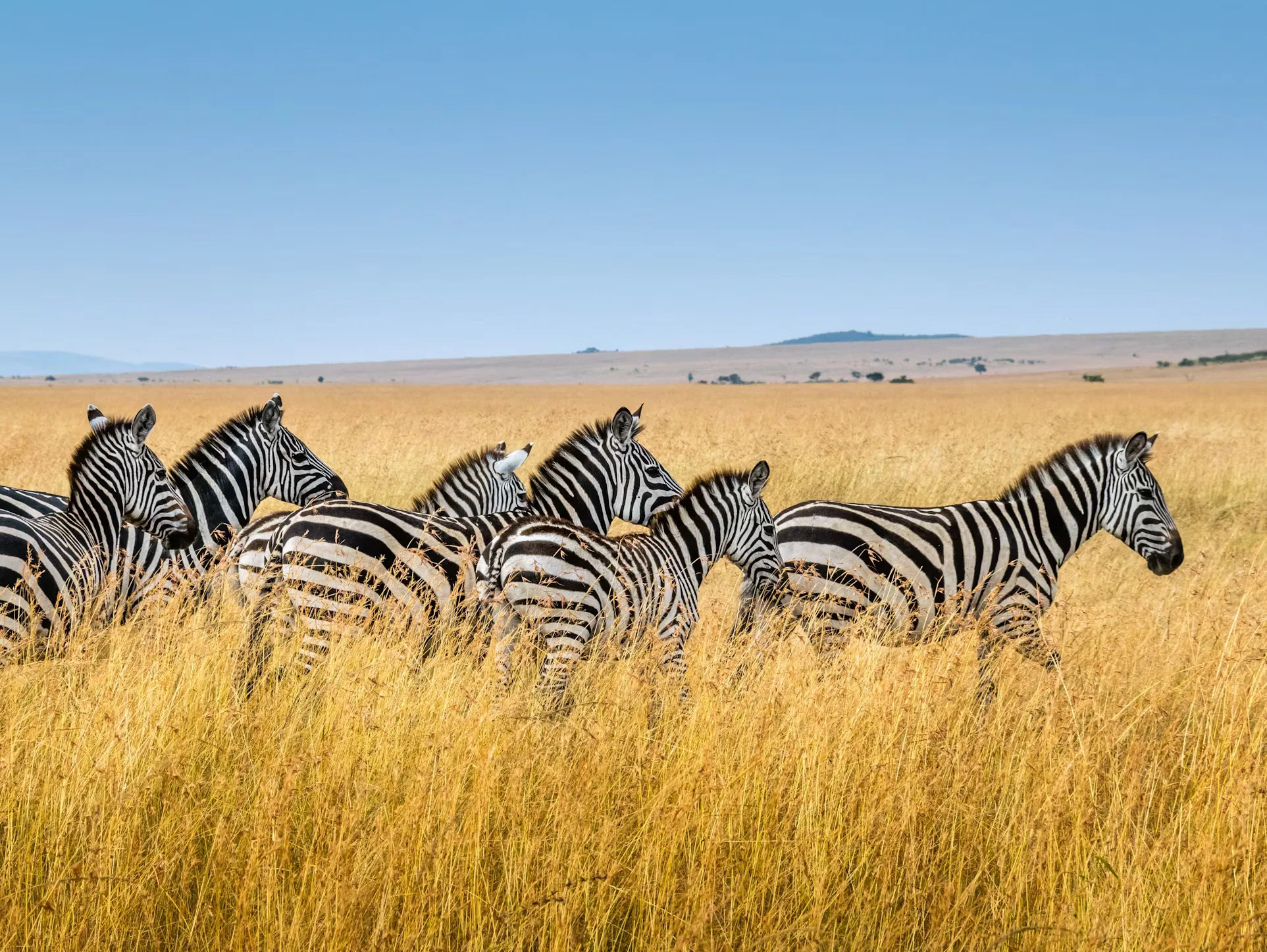
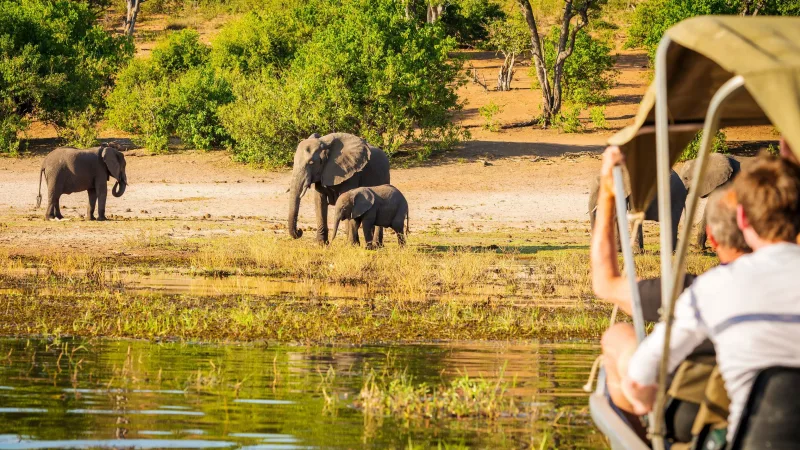
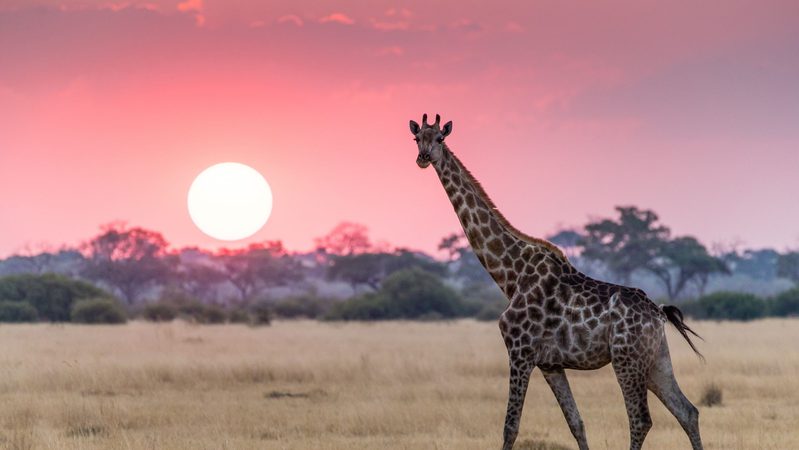
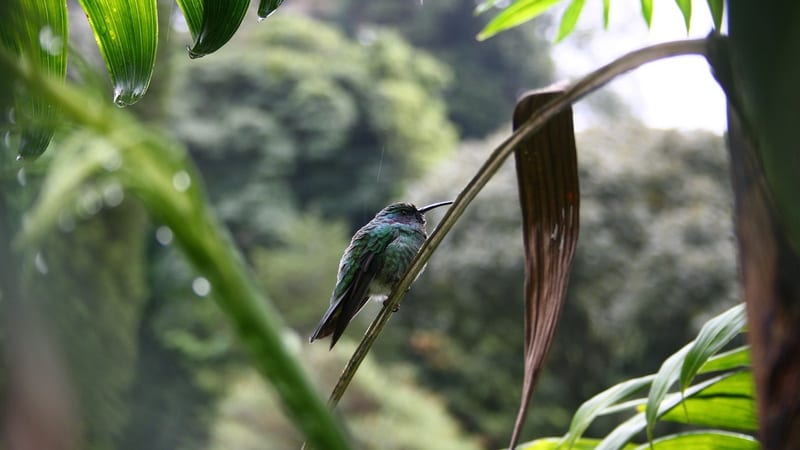
Life here centres on Africa’s most extraordinary wildlife and landscapes. Guided game drives traverse the Ngorongoro Conservation Area in open-sided vehicles in search of elephants, lions, giraffes, zebra and the rich cast of species that define this iconic region. Bird-watchers will find a splendid variety of birdlife, and expert guides bring deep knowledge of animal behaviour, tracks and habitats. Evenings at camp offer relaxed reflection by the fire under star-strewn skies, while sunrise starts set you up for early sightings with the best light and cooler temperatures.
Sustainability
The camp runs primarily on solar energy, utilising clean power for lighting and guest needs, and operates with eco-responsible water management to conserve resources. Construction materials and camp layout are chosen to sit lightly on the land, and every effort is made to protect local flora and fauna in harmony with the surrounding ecosystems.

Let me help you create your perfect bespoke holiday
Best places to stay in Ngorongoro
Ngorongoro Trip Inspiration
When to visit Tanzania
Find out the best time to visit Tanzania with our month by month guide.
- Best
- Good
- Mixed
- Jan
- Feb
- Mar
- Apr
- May
- Jun
- Jul
- Aug
- Sep
- Oct
- Nov
- Dec
January
January is mixed when it comes to weather, temperatures rise whilst the chance of rain and humidity increases. It is still a good time to go, as the rates are lower yet the game viewing is still excellent.
- During this time migratory herds are in the Serengeti for calving season, meaning the Ndutu plains are busy.
February
The weather remains hot with a chance of rain in February.
- Meanwhile in the Ndutu Plains the migration is still occurring.
March
March is the calm before the storm, before heavy rains and humidity builds. Visitors can take great advantage of lower rates during the low season.
- Migrating herds start to leave Ndutu, heading West towards Grumeti.
April
April experiences continued periods of heavy rain, we would advise against travel due to the conditions.
May
During may there is periods of heavy rain, we would advise against travel due to the conditions.
June
June heralds the wet season, bringing lush green vegetation which can make spotting game more difficult. It is a particularly great time for birders as parks become populated by migratory birds especially in the South.
- Migration is still in the Grumeti area, heading north.
July
July is the start of peak season, temperatures reach up to 30 degrees and the surrounding land becomes drier and spotting game is becoming easier.
- The migration is in the Northern Serengeti moving towards Kenya.
August
August is peak season, with bush land drying out game spotting becomes much easier. If you want to experience Tanzania game at its best, August is the time to travel.
- The migration still remains in the north.
September
Peak season continues in September, the Northern circuit can be very busy, if you want to avoid crowds it's best to visit the southern parks.
- The end of the migration is still in the north with herds on both side of the Kenyan and Tanzanian borders.
October
Peak season continues into October with good game viewing in the Serengeti and southern parks.
- The migration has now crossed over into Kenya.
November
November is the start of the rainy season, the rains tend to be overnight so it is still a popular time to travel. During this month you can take advantage of low season rates.
- Migration crossing over into the Serengeti can be seen a the Tanzania and Kenya border.
December
Rains continue in December, whilst the temperature and humidity start to build. Venturing out on safari is generally good, with large game still easily spotted.
- Migrating herds in the north travel south back to Ndutu.
Speak to a Tanzania expert today
and start planning your tailor-made vacation

Alistair