



















Peaceful hilltop retreat, excellent access to Ngorongoro and rich cultural encounters in Karatu.
Location
Kilimani House sits high on a hilltop in the heart of a working coffee plantation in the Karatu region, with far-reaching views towards the foothills of the Ngorongoro Crater. Its position is both scenic and strategic, just 10 minutes from the Ngorongoro Conservation Area entrance, making it an ideal base for guests planning multiple crater visits.
Rooms
This small, adults-only lodge with just 12 rooms, is designed for privacy and tranquillity. Rooms are comfortably furnished and suited to couples or friends travelling together, with double, twin and triple configurations available. There are no family, connecting or quadruple rooms, reinforcing the lodge’s calm, grown-up feel. Interiors are simple and welcoming, allowing the surrounding views and setting to take centre stage after a day on safari.
Facilities
Despite its intimate size, Kilimani House offers all the essentials for a relaxed and comfortable stay. There is an on-site restaurant and bar, serving meals in a convivial yet low-key setting, and a swimming pool perfectly placed for unwinding while taking in the views. Guests can also enjoy a massage service, a small souvenir shop, and laundry facilities. Internet access is available in the main building, encouraging a slower pace while still keeping you connected when needed.
Activities
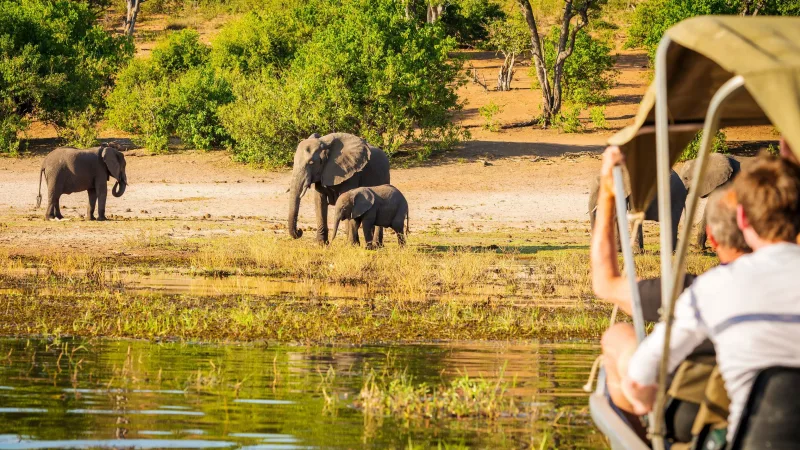
Kilimani House is well placed for a wide range of activities, blending wildlife, culture and gentle exploration. Game drives into the Ngorongoro Crater are a highlight, while excursions to Lake Eyasi offer the chance to meet the Hadzabe and Datoga tribes. Closer to the lodge, guests can enjoy guided walks, mountain biking, visits to local villages, and tours of the surrounding coffee plantations. Time spent meeting the Iraqw people and exploring Karatu adds valuable cultural depth to the stay.
Sustainability
The lodge's small scale and location within an active coffee plantation naturally support a low-impact approach to tourism. By focusing on local activities, cultural visits and walking or cycling experiences, the lodge encourages meaningful engagement with the surrounding communities. Employment and excursions are rooted in the Karatu area, helping to ensure tourism benefits remain local, while the adults-only concept supports a quieter, more considerate presence within the landscape.

Let one of our experts help your craft an unforgettable experience
Best places to stay in Ngorongoro
Ngorongoro Trip Inspiration
Speak to a Tanzania expert today
and start planning your tailor-made vacation

Alistair