














A secluded Sabi Sand lodge of nine suites raised above the Sand River, each with a private pool, an outdoor shower and river views.
Location. Tengile sits on a private bend of the Sand River inside the Sabi Sand Game Reserve, on an unfenced boundary with the Kruger National Park. The lodge holds exclusive traversing rights over 10,500 hectares, so its suites, lounge and viewing deck all look straight over the riverbed.
Rooms. Nine suites, each over 200 square metres, are spaced apart for privacy. Every one has a bedroom, bathroom and outdoor shower, a lounge, a dining area and a stocked bar, plus a private plunge pool on its own deck above the river. Two suites join together to form a family suite, for parties with children aged 12 and over.
Amenities. A library holds a curated run of books and objects collected from the region, and the viewing deck is a good place to watch the riverbed without leaving the lodge. The spa has two treatment rooms and uses Africology's plant based products. There's also a gym with river views and a small shop selling handcrafted pieces from local artisans.
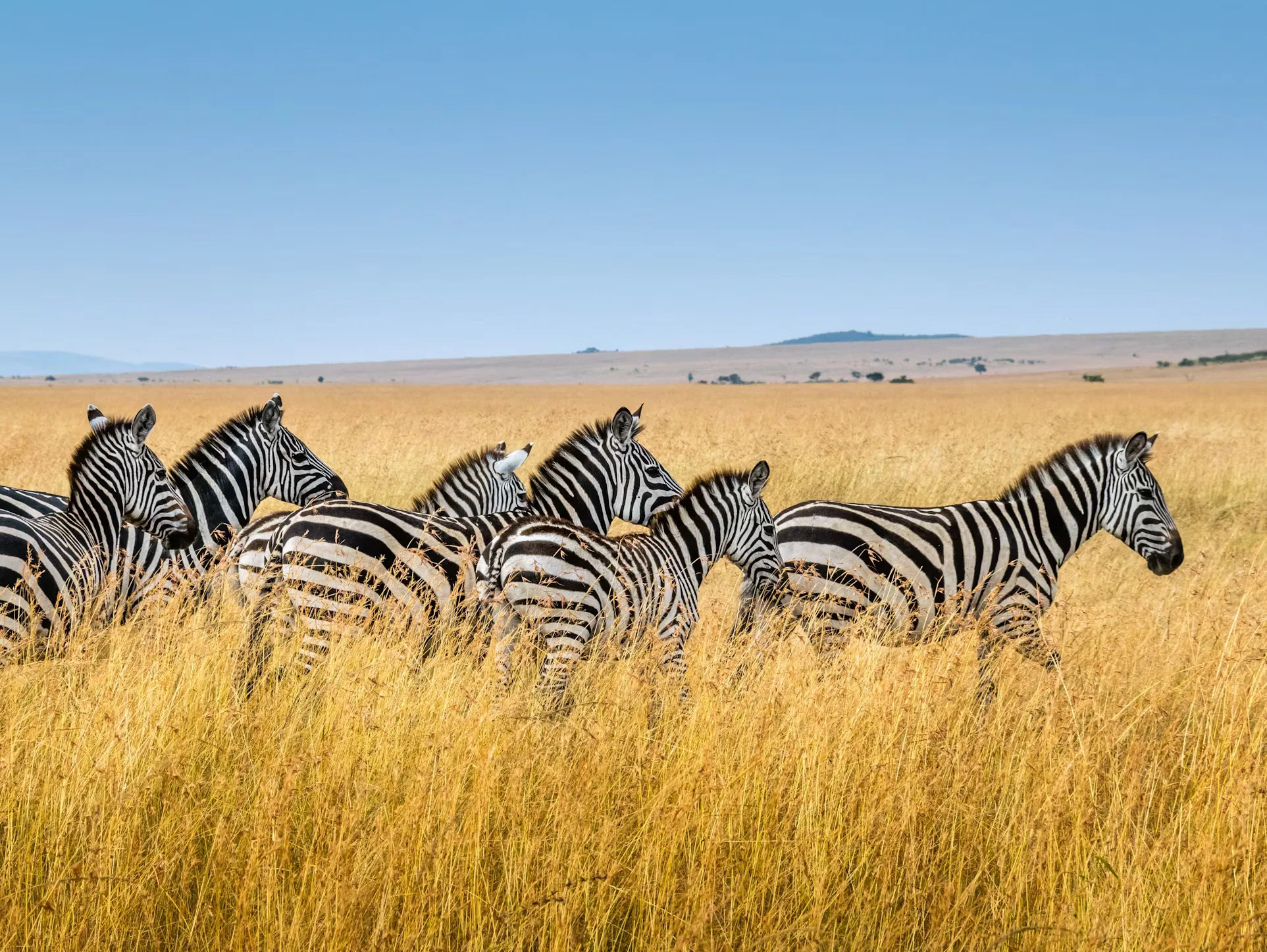
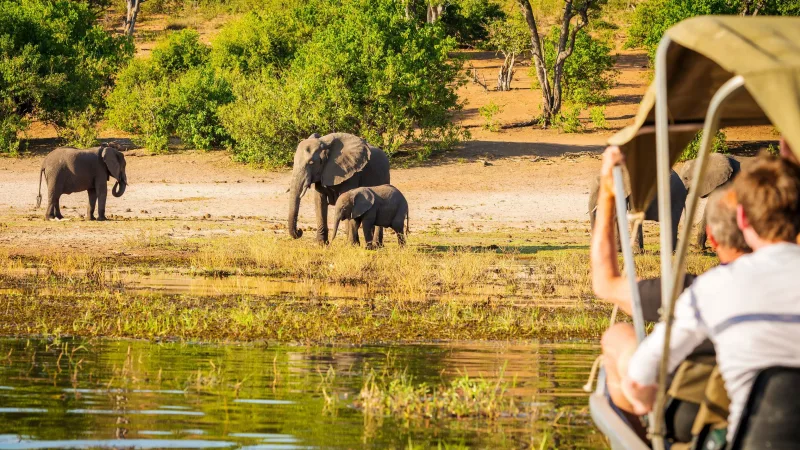
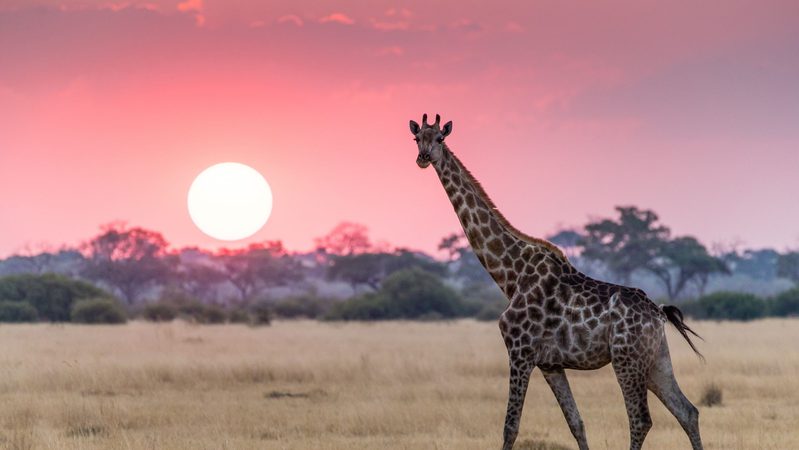
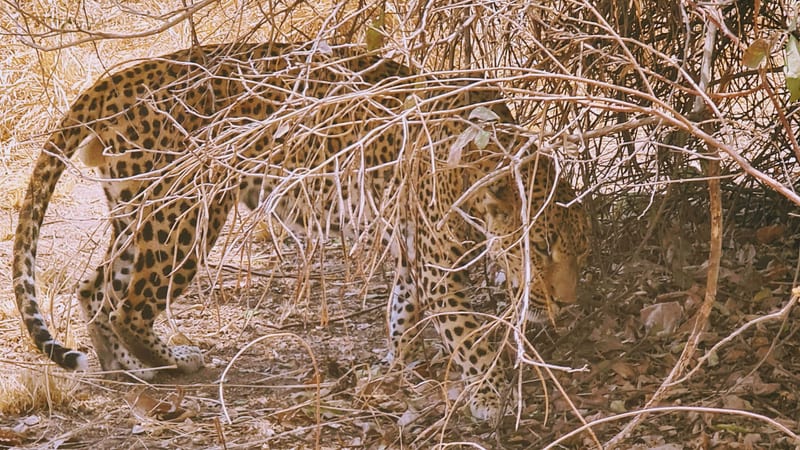
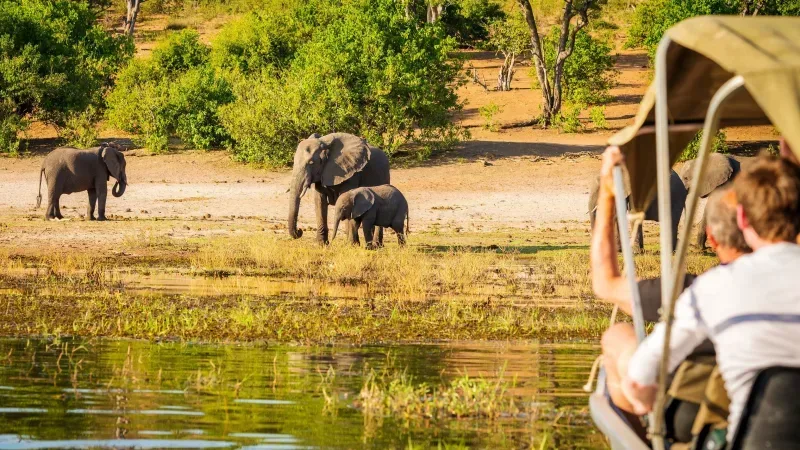
Activities. Game drives run twice a day, with a night drive added after dark, led by a ranger and tracker team that also runs walking safaris on foot. The Sabi Sand is known above all for its leopard sightings, though lion, elephant, buffalo and rhino are all regularly seen, and guides here are used to supporting keen wildlife photographers.
Sustainability. Tengile was built with a good deal of repurposed material, including terrazzo floors made from stone salvaged from the old Selati Railway line and roofs covered in site sand to reduce how visible the buildings are from above.
I’ve lived in South Africa and visit often — I’d love to help you plan your trip.
Best places to stay in Sabi Sands
South Africa Trip Inspiration
When to visit South Africa
Find out the best time to visit South Africa with our month by month guide.
- Best
- Good
- Mixed
- Jan
- Feb
- Mar
- Apr
- May
- Jun
- Jul
- Aug
- Sep
- Oct
- Nov
- Dec
January
January is the perfect time to visit the Cape — hot, dry and buzzing. Lounge on beaches or explore the Winelands and Garden Route in peak summer sun. Inland, it’s the wet season in Kruger, with bursts of heavy rain and vivid green landscapes. It's also the end of the birthing season, attracting predators and creating dramatic wildlife scenes.
February
The hottest month in Cape Town, February is ideal for alfresco lunches in the Winelands or scenic drives along the Garden Route. There are fewer tourists, perfect weather and excellent vineyard experiences. Safari regions remain hot, humid and wet, so it’s better to stick to the coast and cultural highlights at this time of year.
March
March brings settled, sunny days to Cape Town, the Winelands and Garden Route — ideal for laid-back trips and less crowded experiences. In Kruger, the lush landscape and newborn wildlife create brilliant photographic opportunities, with clear skies and dramatic colours. Rainfall eases across the country, making it a great time to combine regions.
April
April’s mild weather and lower visitor numbers make it one of the best months to explore. Cape Town is perfect for hiking Table Mountain or visiting Kirstenbosch Gardens. The Garden Route and Drakensberg are quiet and cool. In Kruger, rutting season begins — male antelope at their most impressive, sparking fierce, fascinating fights.
May
With summer crowds gone and crisp, dry days setting in, May is a peaceful time to travel. Safari viewing improves as vegetation thins in Kruger, and game becomes easier to spot. The Cape has a mix of sunny and rainy days, and the Winelands feel calm and welcoming after the peak season rush.
June
The start of winter brings cool, dry safari conditions — ideal for spotting wildlife clustered around shrinking water sources. Cape Town gets wetter, though days can still be bright. Whale watching begins along the Western Cape, while the Drakensberg is a dream for hikers enjoying fresh air and peaceful trails. The Comrades Marathon adds sporting buzz to KwaZulu Natal.
July
July is peak whale watching around Hermanus and Plettenberg Bay, with whales close to shore to calve. It’s also the best time for safaris — cool, dry and clear. Kruger’s wildlife gathers at waterholes, and sightings are exceptional. Cape Town remains cool and drizzly, but it’s a quiet, rewarding time for active or cultural trips.
August
Spring starts to show as wildflowers carpet the West Coast and Namaqualand in vibrant colour — a true spectacle. Game viewing is still strong in Kruger, and whales continue to visit the Cape’s coastline. Temperatures begin rising after winter’s chill, and clear skies return, making this a great time to combine coast, culture and safari.
September
September is superb for combining experiences — wildlife viewing is excellent in Kruger and Madikwe, while whales are frequently seen along the southern coast. Spring flowers are still blooming, and warmer temperatures make outdoor exploration more inviting. In the Drakensberg, snow-capped peaks linger as trails begin to warm up for hiking.
October
October is one of the best all-round months to visit. Cape Town and the Winelands are warming up, with long sunny days and few crowds. Safari conditions remain strong in Kruger and KwaZulu Natal, and the beaches are heating up. Whether you want wildlife, wine or coastline, it’s hard to go wrong this month.
November
Cape Town soaks up the early summer sun, with calm days ideal for exploring. It’s the last chance to see southern right whales before they head off. Inland, the rains return to Kruger and KwaZulu Natal, but afternoon storms are spectacular and short-lived. Visitor numbers increase as the festive season nears — book early.
December
December buzzes with summer energy. The first two weeks are a sweet spot — great weather and fewer crowds. Later in the month, it’s peak holiday season across the country. In Kruger, landscapes burst into colour with flame lilies and baby animals. Book early for Christmas trips — this is one of the most popular times to visit.
Speak to a South Africa expert today
and start planning your tailor-made vacation

Alistair