

















With just four tents, this secluded camp offers an intimate base for exploring some of Namibia’s most remote and remarkable landscapes.
Location: Kuidas Camp lies in the remote Hoarusib Valley of northern Namibia, surrounded by rugged mountains, dry riverbeds and vast desert landscapes. Its isolated position offers access to the dramatic Skeleton Coast and Kaokoveld, with the camp forming one stop on a wider fly-in safari exploring this exceptionally wild and remote region.
Rooms: With just four simple, comfortable tented rooms, Kuidas Camp offers an intimate wilderness experience with uninterrupted views of the surrounding desert. Accommodation is designed to complement its remote setting rather than compete with it, providing a comfortable base during the wider fly-in safari, where guests move between different camps by light aircraft.
Amenities: Kuidas Camp focuses on the essentials, creating a relaxed base between days spent exploring the wilderness. Guests can enjoy comfortable communal areas, outdoor dining and the opportunity to unwind beneath spectacular desert skies. As part of a fly-in safari, the emphasis is firmly on the surrounding landscape and experiences rather than extensive camp facilities.
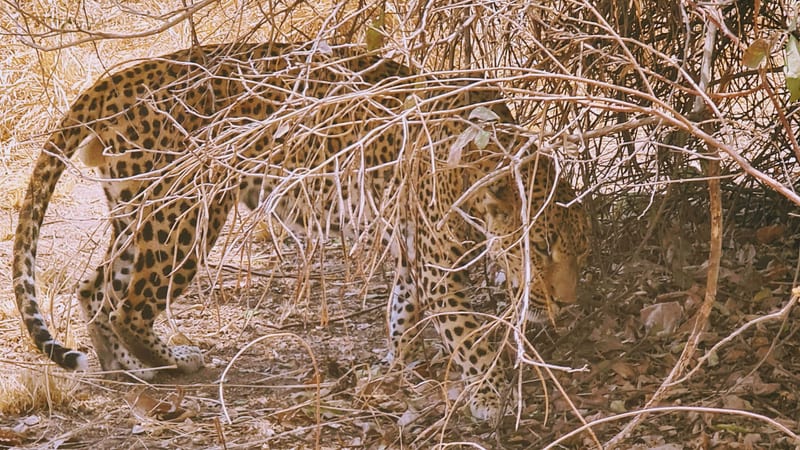
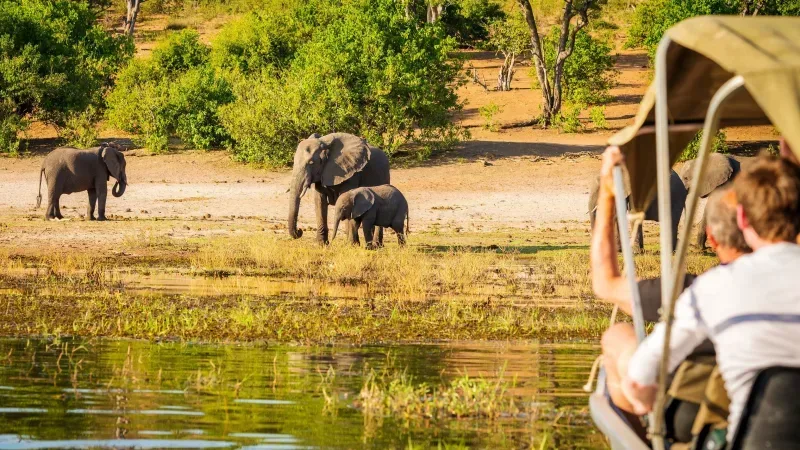
Activities: Activities focus on exploring the extraordinary landscapes and wildlife of northern Namibia, with guided 4x4 excursions revealing desert-adapted wildlife, dramatic valleys and remote geological formations. The wider fly-in safari also follows the Skeleton Coast, with opportunities to see shipwrecks, desert elephants, ancient rock engravings and visit Himba communities along the journey.
Sustainability: Kuidas Camp’s remote setting lends itself to a low-impact approach, while the wider safari supports conservation through responsible tourism in Namibia’s fragile wilderness. Wilderness operates camps according to environmental management principles designed to minimise their footprint, while conservation and community initiatives help protect wildlife and support people living alongside these wild landscapes.
Flying Safari Package: Organised by family-run Skeleton Coast Safaris, this six-day fly-in adventure explores Namibia’s remote Skeleton Coast, combining scenic flights with 4x4 excursions. Staying at three intimate desert camps, including Kuidas, the journey takes in shipwrecks, ancient rock art, desert-adapted wildlife, dramatic valleys, the Kunene River and Himba communities.

Let me help you create your perfect Namibia holiday.
Best places to stay in Skeleton Coast
Skeleton Coast Trip Inspiration
When to visit Namibia
Find out the best time to visit Namibia with our month by month guide.
- Best
- Good
- Mixed
- Jan
- Feb
- Mar
- Apr
- May
- Jun
- Jul
- Aug
- Sep
- Oct
- Nov
- Dec
January
Bring your umbrella, it's rainy season. January is mid-summer in Namibia with the possibility of torrential downpours mid afternoon, but with temperatures of 30-35 degrees it tends to be hot and humid.
February
Similar to January, it is hot and humid with the chance of a downpour in the afternoon.
March
In March, rainfall starts to decrease and temperatures lower with nights becoming increasingly cool. Although daytime temperatures remain hot reaching up to 30 degrees.
April
April is predominantly dry and hot, although there can be a couple of sporadic rainy days across the month.
May
Winter is coming. May has little or no rainfall and the humidity is low, in northern regions around Etosha you'll find fresher, greener landscapes with wildlife gathering around depleting watering holes.
- If you're looking to tackle the Fish River Canyon Hike this is the best time to visit Namibia.
June
In June the nights are cold and temperatures can drop below 10 degrees, whilst in the Namib desert it can reach below freezing. There is no chance of rain as the dry season is in full flow.
July
Visitors in July will experience one of Namibia's coldest months, be sure to pack warm clothing as game drives can be chilly.
August
Like July, visitors in August will experience one of Namibia's coldest months, be sure to pack warm clothing as game drives can be chilly and night time temperatures can drop below freezing both at the coast and inland.
September
Considered the best month to travel to Namibia, September is temperate with clear dry skies and low humidity levels.
October
In October game viewing is at its best, the vegetation is fading with temperatures rising up to 29 degrees.
November
Heat continues to rise, with humidity levels remaining low, however there is a chance of rain in the afternoons.
December
December brings the first rains of the season, bringing everything to life as animals start to disperse as more water becomes available.
Speak to a Namibia expert today
and start planning your tailor-made vacation

Alistair

Ruth