

















A northern province where glaciers, rivers and small‑scale hospitality meet the sky
Yukon is a place where mountains, icefields and river corridors set the terms of travel. It’s a working landscape that rewards planning, local knowledge and a readiness to be outdoors.
This is a territory the size of Spain with fewer than 50,000 people, home to Mount Logan, Canada's highest peak, and grizzly bears that far outnumber the roads connecting the handful of towns here. Yukon feels less like a destination you visit and more like a wilderness you're briefly allowed into: vast enough to reframe what a holiday can be, and quiet enough that a single evening might bring the green flicker of the Northern Lights across a sky with nothing else competing for your attention.
Begin in Whitehorse, where you sort kit, refuel and meet the guides who'll shape your days. It's a small, practical town with cafés, river outfitters and a museum that explains how history and geography have shaped this remote corner of Canada. Once you leave town, petrol, lodges and mobile signal become planning points, a shift that sets the tone for everything that follows: from here on, the wilderness sets the terms.
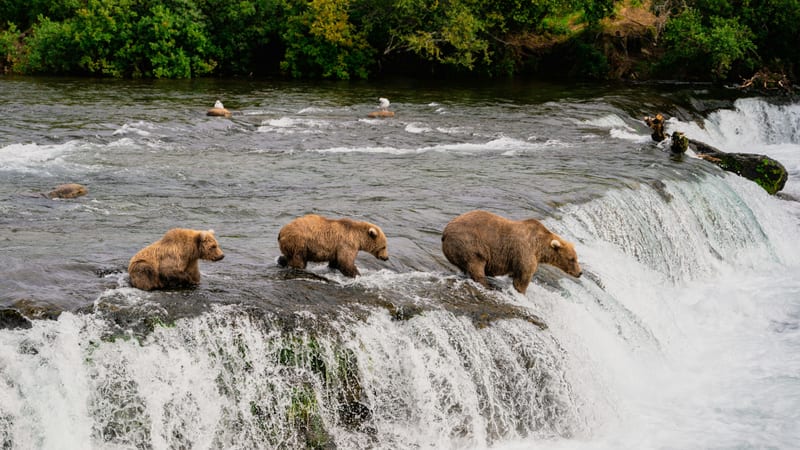
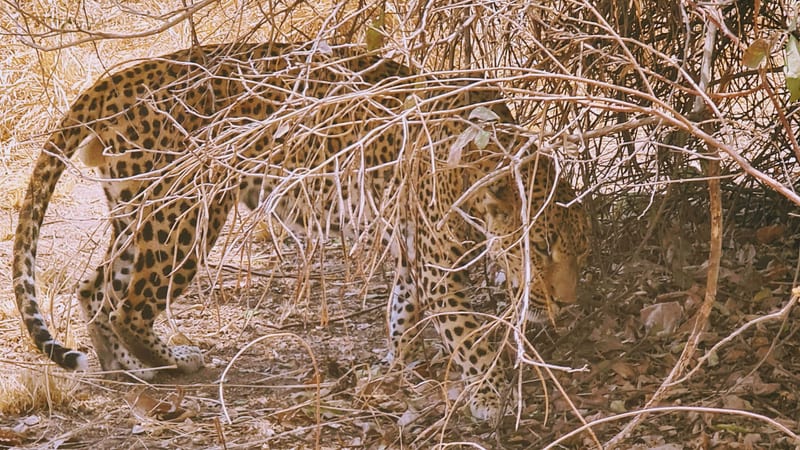
Kluane and the St Elias range appear almost immediately, with icefields and Mount Logan on the skyline. Short flights from Haines Junction or a guided morning walk give you the best views. Head north on the Dempster Highway and you're committing to gravel roads, minimal services and tundra that shifts colour by the week, while Dawson City feels like living through frontier history, gold pans and all. Wildlife encounters here are specific rather than incidental: grizzly bears working the riverbanks, caribou on their migration routes, beavers at work and wolves moving across distant terrain. For the Northern Lights, choose a lodge with aurora-facing windows and guides who read the cloud cover, so your evenings are spent watching rather than waiting.
Things to do in Yukon
Whitehorse, Yukon's compact capital is where the trip starts, with river outfitters, cafés and a museum that puts the gold rush and the wider territory into context. It's an easy day or two of getting your bearings before the wilderness properly begins. Near Haines Junction, most travellers take a short scenic flight over the icefields and Mount Logan before joining a guide for an easy morning walk through Kluane and the St Elias Range. This is mountain scenery on an epic scale with no technical climbing required.
In Dawson City, boardwalks, restored hotels and gold rush stories shape this frontier town, where days mix guided history walks, gold panning, river trips and short flights to nearby trails, and evenings settle into good meals and local storytelling. Further north, the Dempster Highway and Tombstone Territorial Park make up Yukon at its most remote, with long gravel stretches, limited services and tundra that changes colour through the season. Many travellers opt for a guided overland transfer to focus on the scenery, while Tombstone's sharp ridgelines offer striking day hikes without technical climbing, best explored with a guide who knows the weather and the quieter routes.
For the Northern Lights, aurora season runs from late August to April, and the best experiences come from choosing a lodge with aurora-facing windows and guides who read the cloud cover, so you spend your nights watching rather than waiting.
Best Time to Visit
June to August brings long daylight and fully open lodges, ideal for hiking and making the most of the extended light. Late August to April is aurora season, with February and March often giving clear skies and manageable winter travel for those chasing the Northern Lights. Wherever you go for the aurora, choose a lodge with aurora-facing windows and guides who read the cloud cover, so you spend your nights watching rather than waiting.

I know Canada well. Let me plan your tailor-made trip.
Canada Trip Inspiration
Best places to stay in Canada
Top places to visit in Canada


Types of Canada vacations


Speak to a Canada expert today
and start planning your tailor-made vacation

Sophie
Canada Expert