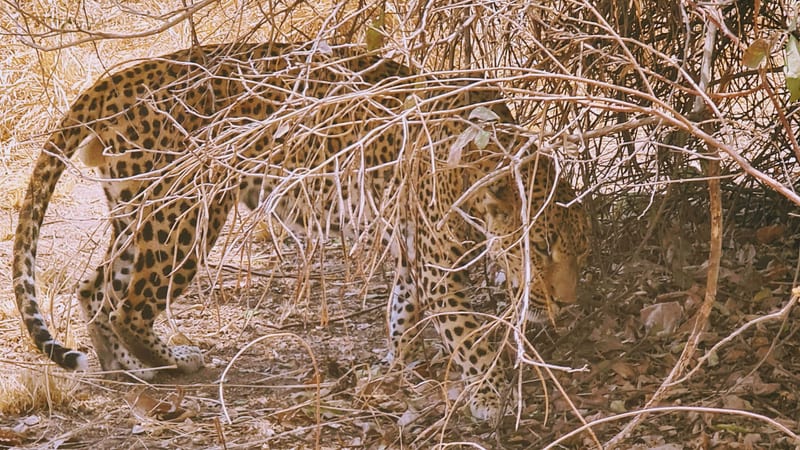

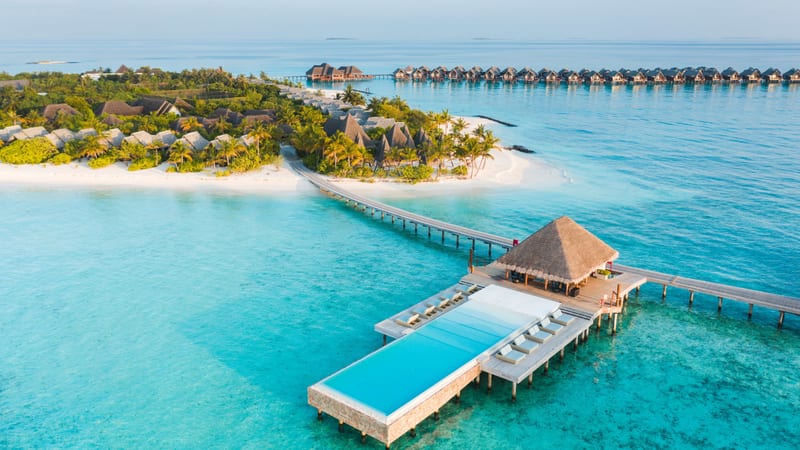
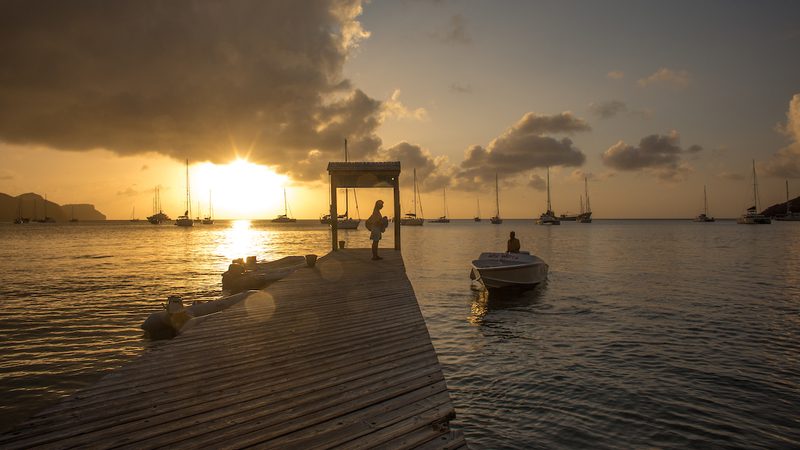
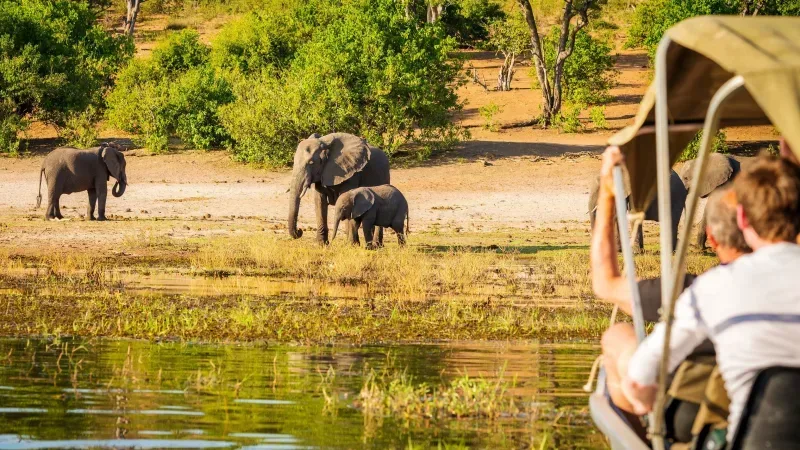
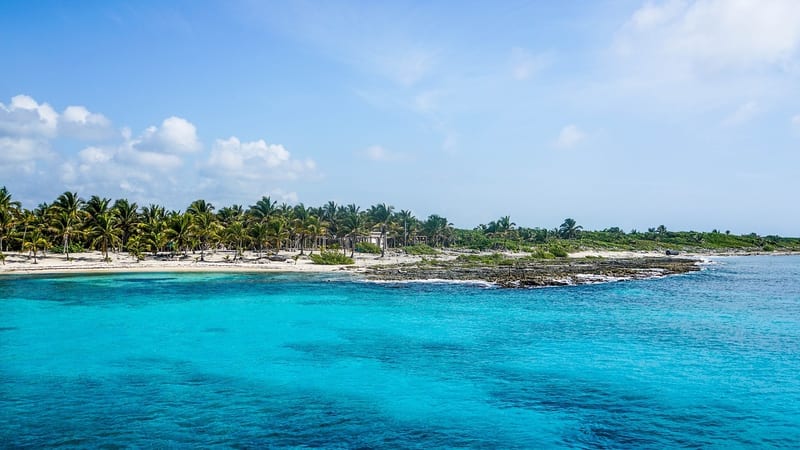

The elegant and stylish &Beyond Galapagos Explorer elevates the thrill of exploration and discovery in the remote Galapagos archipelago with unparalleled luxury.
Location
The &Beyond Galapagos Explorer operates throughout the Galápagos Archipelago, navigating remote islands that are otherwise difficult to access by land-based stays. Sailing carefully planned eastern or western routes, the yacht allows guests to explore a wide cross-section of the archipelago’s ecosystems, from volcanic coastlines and mangroves to pristine snorkelling sites.
Rooms
The yacht accommodates a maximum of 12 guests in a small number of spacious, modern suites, creating a notably intimate onboard atmosphere. Suites are light and contemporary in style, with large windows that frame ever-changing island and ocean views. Comfort is prioritised throughout, with thoughtful design, quality finishes and quiet spaces to retreat to after a day of exploration. The limited number of suites ensures privacy and a relaxed pace throughout the voyage.
Facilities
Communal spaces are generous and well designed for both comfort and connection. The indoor lounge, with floor-to-ceiling panoramic windows, offers uninterrupted views while sailing between islands, while open decks provide space to relax outdoors. A sundeck and hot tub are ideal for unwinding after excursions, and dining areas cater for both indoor and alfresco meals. Onboard facilities are complemented by a high crew-to-guest ratio, ensuring attentive service and a smooth, well-run experience throughout.
Activities
Each day brings a new guided adventure, led by an experienced, licensed Galápagos naturalist guide. Guests follow one of two seven-night itineraries, exploring either the eastern or western islands. Activities include guided island walks, wildlife encounters with species such as giant tortoises, marine iguanas and blue-footed boobies, and snorkelling excursions in crystal-clear waters alongside sea lions, turtles and penguins. Between excursions, there is time to relax onboard, review sightings with the guide, or simply enjoy the scenery as the yacht moves quietly through the archipelago.
Sustainability
Sustainability is central to the &Beyond Galapagos Explorer’s operation. The yacht adheres strictly to Galápagos National Park regulations, with controlled landings, small group sizes and certified local naturalist guides to protect fragile ecosystems. &Beyond’s wider Care of the Wild ethos underpins operations, focusing on conservation, community support and responsible tourism. Onboard practices are designed to reduce waste and energy use, while itineraries are carefully managed to ensure minimal disturbance to wildlife.
Galapagos Holiday Hotels and Cruises
Tailor-Made Galapagos Holidays and Tours
When to go to the Galapagos Islands
Find out the best time to visit the Galapagos with our month by month guide.
- Best
- Good
- Mixed
- Jan
- Feb
- Mar
- Apr
- May
- Jun
- Jul
- Aug
- Sep
- Oct
- Nov
- Dec
January
January starts the warm and wet season in Galapagos, so there is lots of sun and some humidity. It is the perfect month to watch land species like the Giant Tortoise because they are very active.
The water is warm which means that you can snorkel without a wetsuit and the seas are calm, although the warmer water also means there are fewer nutrients to feed so there is slightly less biodiversity in the water than in cooler months.
The animals that are most likely to be seen in this month are land iguanas, Galapagos finches and Scalloped Hammerheads that are attracted to the warmer temperatures.
February
The warm and wet season continues and you can expect temperatures of 30 degrees Celsius, and the water temperature will be around 25 degrees Celsius, so it is not necessary to use a wetsuit to snorkel and the waters are calm and clear. The land species are very active especially the land iguanas, giant tortoises, and Darwin finches. Green sea turtles and penguins are often seen in this month.
A special attraction this month is the nesting of the Marine Iguanas when they become very protective of their nest.
March
March is the middle of the warm and wet season, there is still warm weather and humidity, but also a bit more rain so it is wise to bring a raincoat, although showers are generally short.
This month is a great time to spot land iguanas, Darwin finches, and other birds since they find lots of food, also, the frigate birds are in mating season so you will see males with the puffed-out red pouches to attract the females.
The average temperature is 31 degrees Celsius and in the water the temperature is 25 Celsius, so travellers will not need a wetsuit but the currents are stronger than usual.
April
April is one of the warmest months but also you will find more rain, although this brings with it fresh life on the islands with flowers beginning to bloom. The temperature can go up to 31 degrees Celsius, and in the water the temperature can be 25 degrees Celsius.
This month is special because you may have the chance to see the blue-footed boobies dance ritual and because it is one of the best months to look out for Galapagos penguins in Isabela. You will see frigate birds and Galapagos hawks flying around looking for easy food to catch, and the eggs of some species like the green sea turtle are starting to hatch so it is a brilliant time to spot young turtles.
May
May is a month of transition, Galapagos will go from the warm and wet season to the cool and dry, so the temperature will start to go down. This month is still good to sport land species like land iguanas and giant tortoises because the islands are still green, but as the rain is about to stop the Galapagos will become increasingly bare in the next months.
On the contrary, as the colder Humboldt sea is starting to arrive, it brings more nutrients and food to the sea so the marine species start to arrive and are easily spot.
The temperature will drop down to 28 degrees Celsius, the rain will stop and the water temperature will also be colder with an average of 24 degrees Celsius.
June
June is the start of the cool and dry season although there will still be some rain. It is a great month for people that prefer to avoid humidity and tropical weather, the temperature can go down to 26 degrees Celsius and the water temperature cooled down to 23 degrees Celsius.
The cooler water brings more nutrients which attract marine species like sea lions, sea turtles, marine birds and whale sharks.
The Galapagos also start welcoming the migratory birds and whales that can be seen especially in the Bolivar Channel.
July
July welcomes travellers with cool but pleasant temperatures, it can go to 26 degrees Celsius and the water temperature can be 22 degrees Celsius so wetsuits are advised for snorkelling.
This month is the Galapagos waved albatross, frigate birds and blue-footed boobies start to hatch so it is a wonderful time to spot chicks. The flightless cormorants start their nesting season, and another highlight of this month is the Galapagos whale watching season begins.
August
August is the middle of the cool and dry season with pleasant weather, although the winds are strongest now. The temperature is around 26 degrees Celsius and is the driest month of the year. The water temperature is 21 degrees Celsius, so wearing a wetsuit is recommended.
August brings amazing opportunities for seeing wildlife - there are newborn sea lion pups on the shore and in town. It is also a fantastic time for twitching with many birds in the sky like Galapagos hawks, flamingos and waved albatross. In the water there are many other species, like hammerhead sharks.
The waters are choppier in August so if you suffer from seasickness you might want to choose a larger, more stable cruise or stay onshore.
September
September is the quietest month visitor-wise and has pleasant cool weather, the air temperature can be 26 degrees Celsius, and the water temperature is 22 degrees Celsius. Choppier waters mean that larger cruises or staying onshore can be popular if you suffer from seasickness.
This month is special because migratory species are very active and easier to spot like whales and dolphins and for divers, September is a great month for viewing whale sharks. September is also when the Galapagos penguins start their nesting season.
October
October is a very pleasant month in terms of weather, the temperature can go to 26 degrees Celsius, there is not much rain and the water temperature will be around 22 degrees Celsius.
This month you will see baby blue-footed boobies, that are puffy and make amazing photo opportunities, the flamingos are also nesting and the Galapagos penguin are performing their courtship ritual.
November
November is the end of the cool and dry season, although it is still conformable weather, the average temperature is 26 degrees Celsius and the water temperature is 22 degrees Celsius.
This is a great month to watch the sea lion pups playing and learning how to swing. In the sea the Galapagos sea turtle start mating and there is a great chance to spot blue-footed, red-footed and Nazca boobies.
December
December is a transition month, the cool and dry season is ending and the warm and wet season is starting, by the end of the month the first rains start and the land species are very easy to spot and the birds also start building their nest to prepare for the breeding season.
The Darwin finches and short-eared owls are visible in the Highlands of Santa Cruz, and the Marine iguanas change colour to attract their mates.
The seas are also calm this time of year which is brilliant for snorkelling or if you are on a smaller cruise. This is a popular time of year to travel so you will need to book early.
Speak to a Galapagos expert today
and start planning your tailor-made vacation

Amanda
Galapagos Expert