














Best time to go to Sri Lanka
Sri Lanka, often referred to as the "Pearl of the Indian Ocean," is a year-round destination with a diverse climate, offering travellers an array of experiences regardless of the time of year. However, to make the most of your visit, it's essential to consider the varying weather patterns, peak, and low seasons, as well as specific events that can enhance your trip.
Peak Season (December to March):
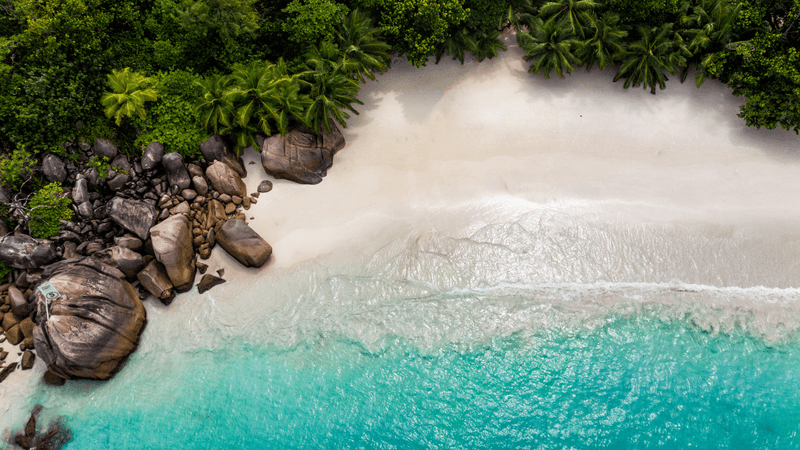
The peak season in Sri Lanka falls between December and March, making it one of the best times to visit the island. During this period, the southwestern and central regions, including popular destinations like Colombo, Galle, Kandy, and the Hill Country, experienced pleasant weather with lower humidity and minimal rainfall. It's the perfect time for cultural exploration, wildlife safaris, and enjoying the country's beautiful beaches.
Low Season (May to August):
The low season in Sri Lanka occurs from May to August when the southwestern monsoon hits the coast. The southern and western coasts can experience heavy rainfall, making beach activities less enjoyable during this period. However, this season can be an excellent time to visit the east coast, including Trincomalee and Pasikuda, which enjoy dry and sunny weather. If you're looking for budget-friendly travel and don't mind occasional rain, this is a less crowded and cost-effective time to explore the island.
Shoulder Seasons (April and September to November):
The shoulder seasons in Sri Lanka, which include April and September to November, offer a balance between weather conditions and affordability. The inter-monsoon periods may bring sporadic showers, but you can still enjoy most outdoor activities without the crowds and higher prices seen in the peak season. It's an ideal time for travellers looking for a quieter experience.
Specific Events:
Sinharaja Rainforest Trek (All Year) The Sinharaja Rainforest, a UNESCO World Heritage Site, is open year-round for trekking and birdwatching. It's an excellent opportunity to explore the island's rich biodiversity.
Esala Perahera (July/August) Kandy's Esala Perahera is one of Sri Lanka's most celebrated festivals. This grand cultural procession features beautifully adorned elephants, traditional dancers, and fire performers. It's an extraordinary cultural event that draws visitors from around the world.
Navam Perahera (February): Colombo's Navam Perahera is another vibrant cultural spectacle. This religious festival showcases colourful parades, traditional music, and dance performances, providing an insight into Sri Lanka's cultural heritage.

Unsure where to start? Give us a call and speak to our team

Amanda
Travel Expert

January in Sri Lanka
January is the epitome of Sri Lanka's peak tourist season. The west and south coasts, including Colombo, Galle, and Bentota, bask in dry, sun-soaked days, making it the perfect time for beach vacations and cultural explorations. The hill country, with destinations like Kandy and Nuwara Eliya, enjoys pleasantly cool temperatures. This month beckons travellers to revel in the country's lush landscapes, historical sites, and pristine beaches.

February in Sri Lanka
February continues the dry, sunny weather on the west and south coasts and in the Hill Country, ideal for beach time and cultural touring alike. Colombo’s Navam Perahera at Gangaramaya Temple, held around the February full moon, fills the streets with elephants, drummers and dancers.

March in Sri Lanka
March continues to be a dreamy time for visiting Sri Lanka. The Hill Country dons its finest attire as flowers bloom, creating a picturesque landscape. This is an ideal season for nature lovers, trekkers, and tea plantation explorers. The coasts remain inviting, and the cultural sites beckon with rich history and festivities.

April in Sri Lanka
April heralds the Sinhala and Tamil New Year on 13–14 April, one of Sri Lanka’s most significant cultural celebrations, when families gather and towns fill with festivities. It’s also the hottest month of the year, with sunny mornings and afternoon thunderstorms as the inter-monsoon season begins. Crowds start to thin, offering a good blend of culture and value.

May to September in Sri Lanka
May to September is low season on the southwest coast due to the monsoon. The east coast, including Trincomalee and Pasikudah, enjoys sunny days and calm seas, and the Cultural Triangle stays largely dry. Vesak in May and Poson in June bring lanterns, pandals and pilgrimages to Anuradhapura and Mihintale.

September in Sri Lanka
September sees the southwest monsoon gradually ease, though showers remain likely on the west and south coasts. The east coast is still the best choice for beaches, and the Cultural Triangle is dry and hot. Yala National Park’s busiest zones usually close for part of September and October during the dry season, so safaris switch to other zones or nearby parks such as Udawalawe.

October in Sri Lanka
October brings the second inter-monsoon season, the wettest period of the year across most of Sri Lanka. Mornings are often bright and clear, with heavy showers building in the afternoon and overnight. Landscapes are at their greenest and visitor numbers low, making it a good-value month for travellers happy to work around the weather.

November in Sri Lanka
November remains wet across much of the island as the inter-monsoon rains give way to the northeast monsoon, which brings heavy rain to the north and east. The west and south coasts usually begin to dry out towards the end of the month. November and December are also Sri Lanka’s cyclone season, so a flexible itinerary is wise.

December in Sri Lanka
December marks the start of peak season on the west and south coasts, with Galle, Bentota and Mirissa coming into their own for beach escapes. The north and east are under the northeast monsoon and best avoided for beach time. Book accommodation and activities well in advance, especially over Christmas and New Year.
Amanda
Travel Expert