











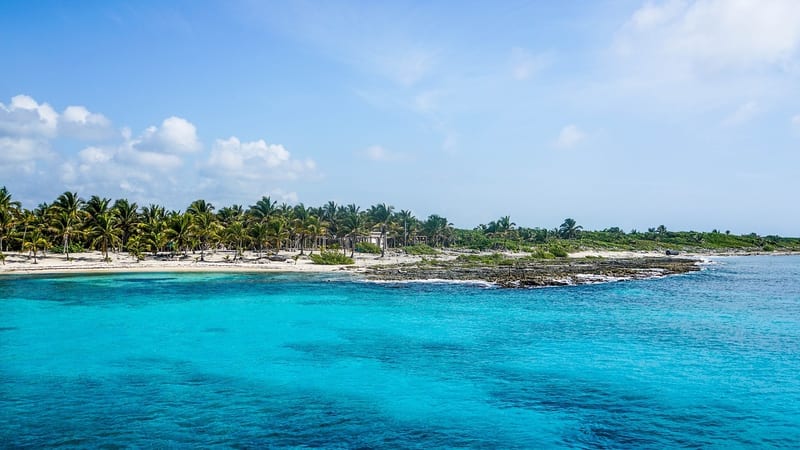



A 360-room resort on Onna Village's protected coastline, with five restaurants, five pools and a spa built around Okinawan healing traditions and marine conservation work.
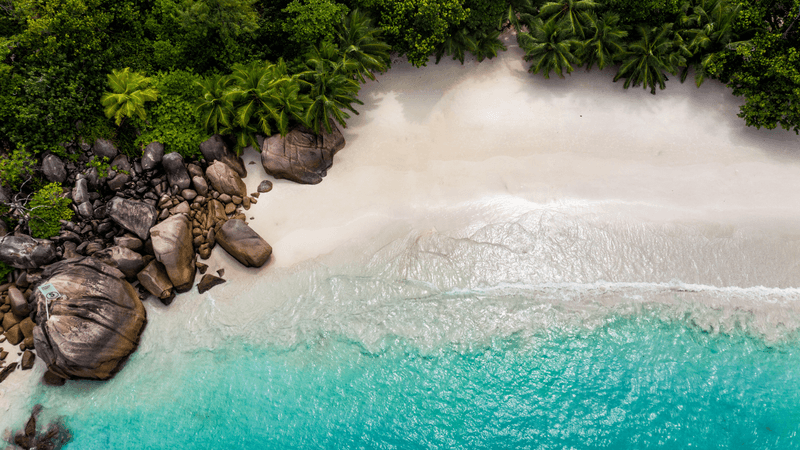
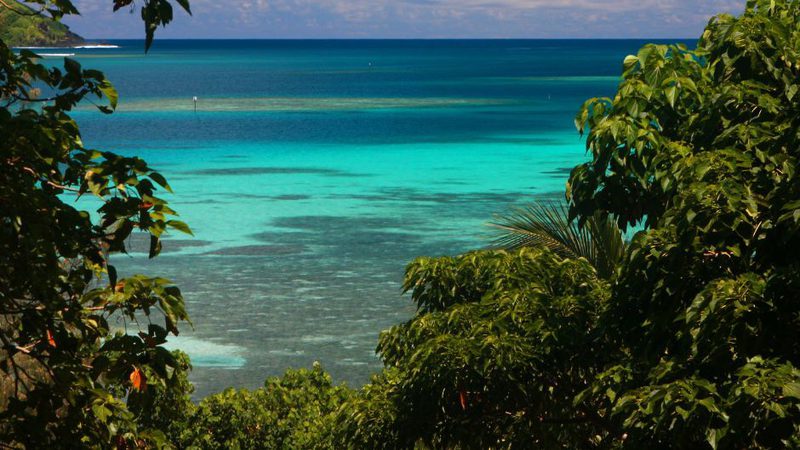
Location: Halekulani Okinawa sits on a mile of protected coastline in Onna Village, inside the Kaigan Quasi-National Park, about 75 minutes from Naha Airport by car. Facing west, the hotel looks straight out over the East China Sea, and the surrounding waters carry Green Fins Gold certification for sustainable marine tourism.
Rooms: There are 360 keys across three tiers: 310 standard rooms in seven categories, each 50 square metres with a private terrace and an ocean view, 45 suites up to 294 square metres, and 5 villas with their own heated pools and natural hot spring baths.
Amenities: Dining runs from Shiroux, led by two-Michelin-starred chef Hiroyasu Kawate, to the more relaxed House Without A Key, which has live music most evenings. SpaHalekulani draws on Nuchigusui, the Okinawan idea of medicine of life, with its own natural hot springs, and the resort has five swimming pools, including the Orchid Pool.
Activities: Beyond the beach, guests can try parasailing, underwater walking or Okinawan crafts such as shisa painting and sanshin workshops, or join the Manzamo scenic cruise past the cliffs up the coast. There's complimentary beach yoga most mornings and evenings, for guests aged nine and over.
Sustainability: Halekulani Okinawa holds Green Fins Gold certification, the UNEP-backed standard for sustainable marine tourism, partly on the strength of guest-led coral nurturing sessions run with a researcher from the University of the Ryukyus. The hotel also works with Onna Village, the first municipality in Japan to adopt the Green Fins code, on Vetiver planting to prevent coastal soil runoff.

Let me help you create your perfect Japan holiday.
Best places to stay in Okinawa
Okinawa Trip Inspiration
When to visit Japan
Find out the best time to visit Japan with our month by month guide.
- Best
- Good
- Mixed
- Jan
- Feb
- Mar
- Apr
- May
- Jun
- Jul
- Aug
- Sep
- Oct
- Nov
- Dec
January
January is ideal for winter sports in Hokkaido and northern regions, with plenty of snow. Tokyo and Kyoto remain chilly but offer clear skies for sightseeing. Explore Sapporo's Snow Festival and soak in an onsen for the ultimate winter experience.
February
February is the best time for skiing and snowboarding in Nagano and Hokkaido. The Sapporo Snow Festival is a major attraction, featuring stunning ice sculptures. Other areas are generally cold and dry and good for sightseeing.
March
March marks the beginning of spring, with cherry blossoms starting to bloom in southern regions like Kyoto and Tokyo. Enjoy hanami picnics under the pink blossoms. It's a great time for hiking and outdoor adventures.
April
April is the peak of cherry blossom season. Witness Tokyo's Ueno Park and Kyoto's Maruyama Park come alive with vibrant sakura. Golden Week, late April to early May, offers festive parades and events.
May
May offers pleasant weather for outdoor activities and hiking. Explore Tokyo's International Food Festival and enjoy the comfortable climate for sightseeing in Kyoto.
June
June is the start of the rainy season, known as tsuyu, lasting until mid-July. Although it's wet, explore Kyoto's temples and gardens amid light crowds. Festivals like the Sanno Matsuri in Tokyo showcase Japanese traditions.
July
July continues the rainy season, but the Tanabata Star Festival brightens the skies. Hokkaido hosts the Lavender Festival with fields of purple blooms. Kyoto's Gion Matsuri features grand floats.
August
August offers festivals and fireworks. The Obon Festival celebrates ancestors with lanterns and dances. Enjoy the Sumidagawa Fireworks Festival in Tokyo. Hokkaido's summer flower festivals are perfect for nature enthusiasts.
September
September brings comfortable weather and the iconic Kunchi Festival in Nagasaki. Explore the Sapporo Autumn Festival in Hokkaido. It's a great time for sightseeing with fewer tourists.
October
October features stunning autumn foliage in Kyoto and Nikko. Visit Tokyo's Meiji Shrine during the Meiji Jingu Festival and enjoy Oktoberfest celebrations. Ideal for hiking and outdoor adventures.
November
November showcases autumn foliage, with Kyoto's temples and parks ablaze in red and orange. Yoyogi Park in Tokyo hosts the International Food Festival, and Kyushu's hot spring resorts offer relaxation.
December
December marks the onset of winter, with holiday illuminations in cities and festive lights. Explore Hokkaido's Sapporo Snow Festival with breathtaking ice sculptures. Ski resorts open for winter sports enthusiasts.
Speak to a Japan expert today
and start planning your tailor-made vacation

Sophie
Japan Expert